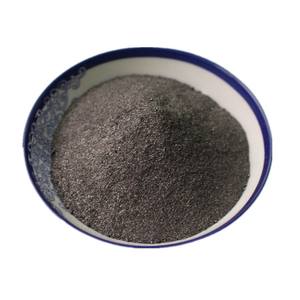
High-Density Grinding Media Balls for Industrial Applications

Why Settle for Average Friction?
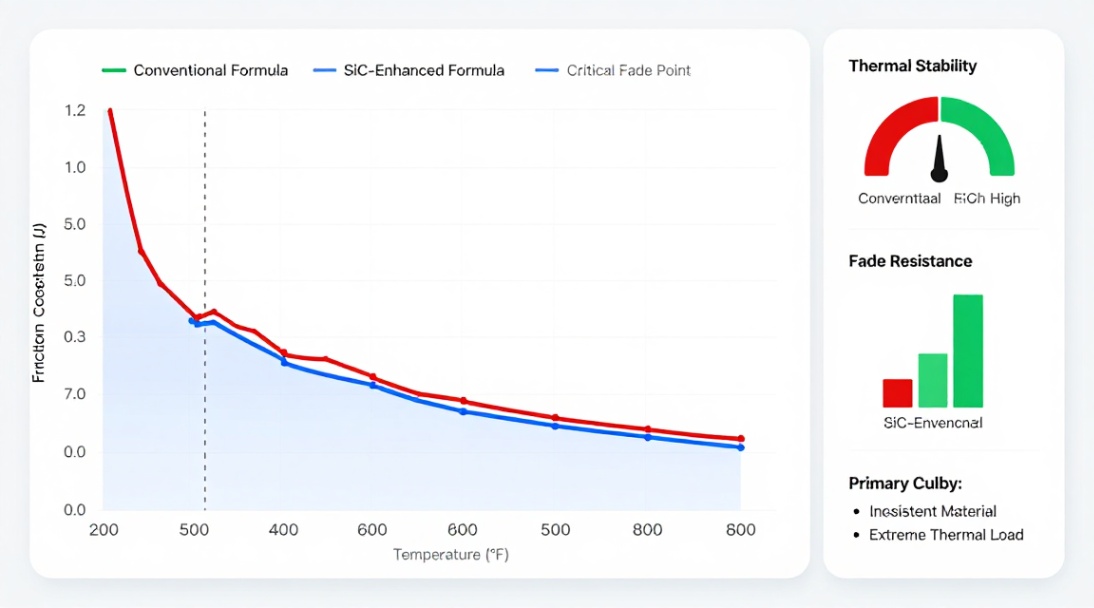
Industry tests reveal a startling fact: many brake pad formulas sacrifice long-term performance for initial bite. They fade when the temperature climbs above 500°F. The primary culprit is inconsistent friction material performance under extreme thermal load. This isn’t just a performance issue; it’s a safety liability in demanding applications. Silicon carbide powder offers a counterintuitive solution. It’s not just another abrasive; it’s a sophisticated friction modifier engineered for consistency.
What Silicon Carbide Powder Does for Brake Pads
Silicon carbide (SiC) is a synthetic ceramic with exceptional hardness and thermal conductivity. In brake pads, it acts as a high-performance secondary abrasive and friction stabilizer. Its role is distinct. Softer materials like graphite provide lubrication, while metallic fibers provide structural strength. Silicon carbide sits between them. It maintains a consistent shear interface with the rotor, preventing the glazing and fade that plagues other formulations. The result is a brake pad that performs predictably from the first cold stop to the tenth hard deceleration on a mountain descent.
Step-by-Step Guide to Integrating Silicon Carbide Powder
Step 1: Selecting the Correct Silicon Carbide Powder Grade
Not all SiC powders are equal. Particle size distribution dictates performance. Coarse grit (e.g., 100-150 mesh) provides aggressive initial bite but may increase rotor wear. Fine grit (e.g., 400-600 mesh) offers smoother operation and better integration into the friction matrix. For most high-performance applications, a bimodal or trimodal blend is optimal. This mix balances rapid friction build-up with stable high-temperature performance.
Action: Source powder with a controlled particle size distribution. Request the supplier’s technical data sheet and verify the D50 (median particle size) and D90 values. Aim for a D50 between 20 and 50 microns for a balanced formulation.
Step 2: Determining the Optimal Loading Percentage
More powder is not better. Overloading creates a harsh, noisy pad with excessive rotor wear. Underloading yields no benefit. The sweet spot depends on your pad type.
| Pad Type | Recommended SiC Loading (by weight) | Primary Function |
|---|---|---|
| Semi-Metallic | 1% – 3% | Stabilize metallic fade, reduce noise |
| Non-Asbestos Organic (NAO) | 2% – 5% | Boost high-temperature friction, improve wear |
| Ceramic/Low-Metallic | 0.5% – 2% | Fine-tune friction curve, minimize rotor aggressiveness |
Action: Start with a baseline formulation and create test batches with incremental SiC additions of 0.5%. Test each batch.
Step 3: Precision Mixing and Integration
Uniform dispersion is non-negotiable. Clumps of silicon carbide create hotspots and inconsistent braking. Use a high-shear mixer. Add the SiC powder in the middle of your dry mixing cycle, after binders and before lubricants. Mix for a minimum of 8-10 minutes to ensure every particle is evenly coated and distributed throughout the friction mix blend.
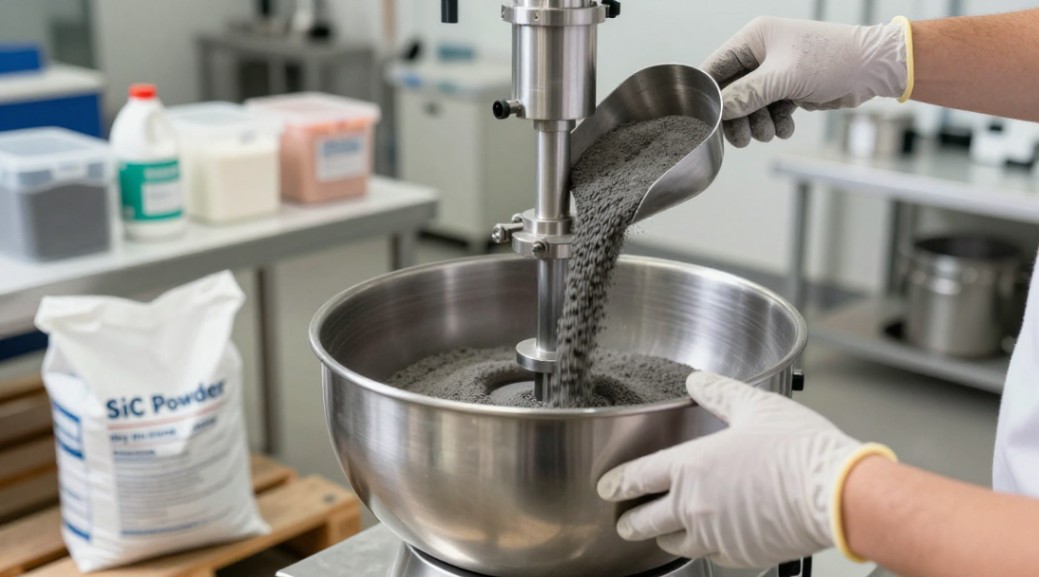
Action: Validate mix uniformity by taking samples from the top, middle, and bottom of the mixer bowl. Analyze them for consistent composition.
Step 4: Validating Performance Through Testing
Lab testing separates successful formulations from failures. You must measure specific parameters.
- Friction Coefficient vs. Temperature: Run a Chase or Krauss test. A successful SiC formulation will show a flat, stable friction curve from 200°F to 600°F. Look for a fade recovery of less than 20% drop from peak.
- Wear Rate: Measure pad and rotor wear after a standardized dynamometer test. Properly integrated SiC should improve pad life without accelerating rotor wear.
- Noise and Vibration (NVH): Perform a drag test on a noise dynamometer. The goal is a quiet pad; poorly formulated SiC can increase high-frequency squeal.
Industry Feedback and Critical Considerations
Many forum discussions, like those found on engineering subreddits, highlight a common mistake: treating SiC like cheap sand. One user noted, “We dumped 5% generic SiC into our NAO mix thinking it would solve fade. It created a pad that chewed through rotors in 15,000 miles. The problem was the wrong particle shape and size.” This feedback is crucial. The shape (angular vs. blocky) matters as much as the size. Angular particles provide a sharper, more aggressive friction profile.
You must also consider rotor compatibility. Hardened or cryo-treated rotors pair best with fine-mesh SiC. For standard cast iron rotors, a medium-grade powder provides the best balance of performance and longevity.
Your Next Move for Superior Brake Pads
Stop guessing with your friction material blends. The data is clear: strategic use of silicon carbide powder is the most effective method to engineer fade resistance and consistent performance. This isn’t a lab theory; it’s a field-proven manufacturing step used by leading performance pad brands.
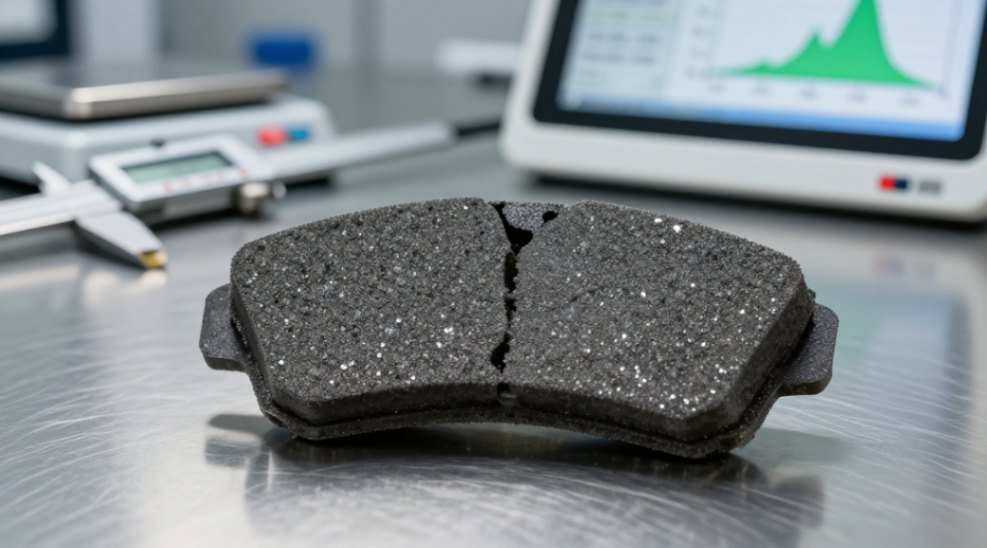
Do this now: Contact a specialized supplier of engineered friction materials. Request samples of graded silicon carbide powder with certified particle size analysis. Run a comparative test batch against your current formula. The performance difference, especially in high-temperature fade resistance, will be immediately measurable on a dynamometer. This single ingredient change can elevate your product from a commodity to a benchmark in braking performance.
eduloc founded on October 17, 2012, is a high-tech enterprise committed to the research and development, production, processing, sales and technical services of ceramic relative materials such as Forget. Our products includes but not limited to Boron Carbide Ceramic Products, Boron Nitride Ceramic Products, Silicon Carbide Ceramic Products, Silicon Nitride Ceramic Products, Zirconium Dioxide Ceramic Products, etc. If you are interested, please feel free to contact us.
RELATED POSTS
Molybdenum Dithiophosphate MoDTP cas 72030-25-2
Calcium hypophosphite (Ca(H2PO2)2)-Powder
The Surface Modification Technology Of Stainless Steel Grinding Balls Has Been Awarded A National Patent