High-Density Grinding Media Balls for Industrial Applications

A Common, Costly Misconception
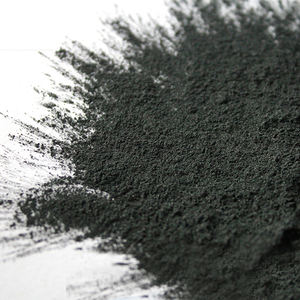
A prevalent and dangerous assumption is that any simple dust mask provides adequate protection for silicon carbide operations. This is a critical error. Silicon carbide dust, while chemically inert, presents a significant physical hazard to the lungs. Prolonged inhalation of fine, abrasive particles leads to a condition called silicosis, a permanent and potentially fatal scarring of lung tissue. The damage is irreversible. Your choice of respiratory protection is not a matter of comfort; it is a direct determinant of long-term respiratory health.
Key Requirements and Common Pitfalls
Navigating the requirements demands understanding three distinct, non-negotiable components: the regulatory exposure limit, the correct type of respirator, and the mandatory programme around its use. Failure in any one area renders the entire safety effort ineffective.
1. The Regulatory Baseline and Particulate Danger
OSHA enforces a Permissible Exposure Limit (PEL) for particulates not otherwise regulated, often referenced as “nuisance dust.” The limit is 15 milligrams per cubic metre (mg/m³) as a time-weighted average. However, treating silicon carbide dust merely as a nuisance is the first major pitfall. While it may not have a specific PEL like crystalline silica, its physical properties demand that exposure be controlled to the lowest feasible level. Engineering controls are always the first line of defense.
2. Respirator Selection: The Crucial Distinction
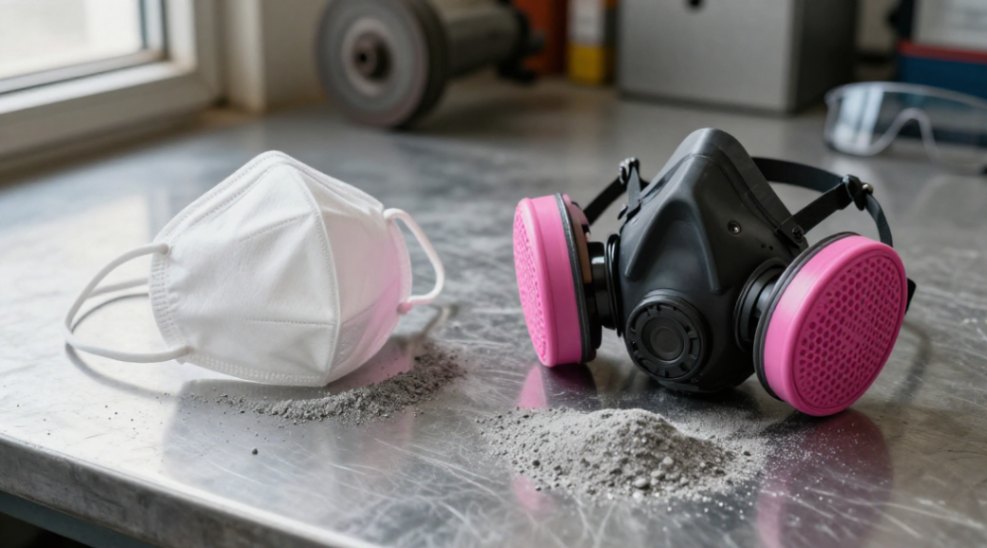
Choosing between a dust mask and a tight-fitting respirator is the most frequent point of failure. The table below clarifies the non-interchangeable roles of these devices.
| Device Type | Definition & NIOSH Code | Intended Use & Protection | Critical Limitations for SiC Dust |
|---|---|---|---|
| Dust Mask (Filtering Facepiece) | Disposable, loose-fitting. NIOSH-approved as N95, R95, P95. | For environments where dust concentration is at or below the OSHA PEL. Protects against particulate. | Does NOT provide a reliable seal. Offers minimal protection against high concentrations or fine aerosols. Often misused as primary protection. |
| Tight-Fitting Respirator (Elastomeric) | Reusable facepiece with replaceable cartridges/filters. Requires fit testing. | For use when dust levels exceed the PEL or are unknown. Mandatory under OSHA’s 29 CFR 1910.134. | The ONLY acceptable choice for reliable, high-level protection. Must be used within a full written respiratory protection program. |
The mandatory NIOSH certification for particulate filters is N95, R95, or P95. The “95” denotes 95% filtration efficiency. For silicon carbide dust, an N95 filter is typically sufficient unless oil mist is present.
3. The Program: Your Legal and Practical Shield
Purchasing a respirator is only step one. OSHA’s standard 29 CFR 1910.134 mandates a written Respiratory Protection Programme whenever respirators are necessary. This is not optional. A respirator without this programme is a liability. The core components are non-negotiable:
- Medical Evaluation: A qualified healthcare provider must clear each worker to wear a respirator, assessing cardiac and pulmonary fitness.
- Fit Testing: Performed annually and with each new mask model. Ensures the specific mask seals to the specific worker’s face. A proper seal is everything.
- Training: Workers must be trained on the respirator’s proper use, its limitations, and emergency procedures.
- Maintenance: For reusable respirators, this includes regular cleaning, inspection for damage, and proper storage. Disposable respirators must be replaced when breathing becomes difficult, the mask is damaged, or it becomes contaminated.
The Hierarchy of Controls: Respirators Are the Last Line
Relying solely on a respirator is a fundamental strategic error. Respiration protection is the last line of defence. The hierarchy of controls dictates a more effective, sustainable approach.
- Elimination/Substitution: Can a safer process or material be used?
- Engineering Controls: This is paramount. Implement local exhaust ventilation (LEV) at the source of dust generation-at grinding wheels, cutting stations, or bagging points. Use wet methods to suppress dust during cutting or grinding.
- Administrative Controls: Rotate workers to limit individual exposure time.
- Personal Protective Equipment (PPE): This is where silicon carbide dust mask and respirator requirements apply. They are essential, but they are your final barrier, not your first.
Your Actionable Safety Protocol
To move from awareness to compliance, follow this logic-based protocol.
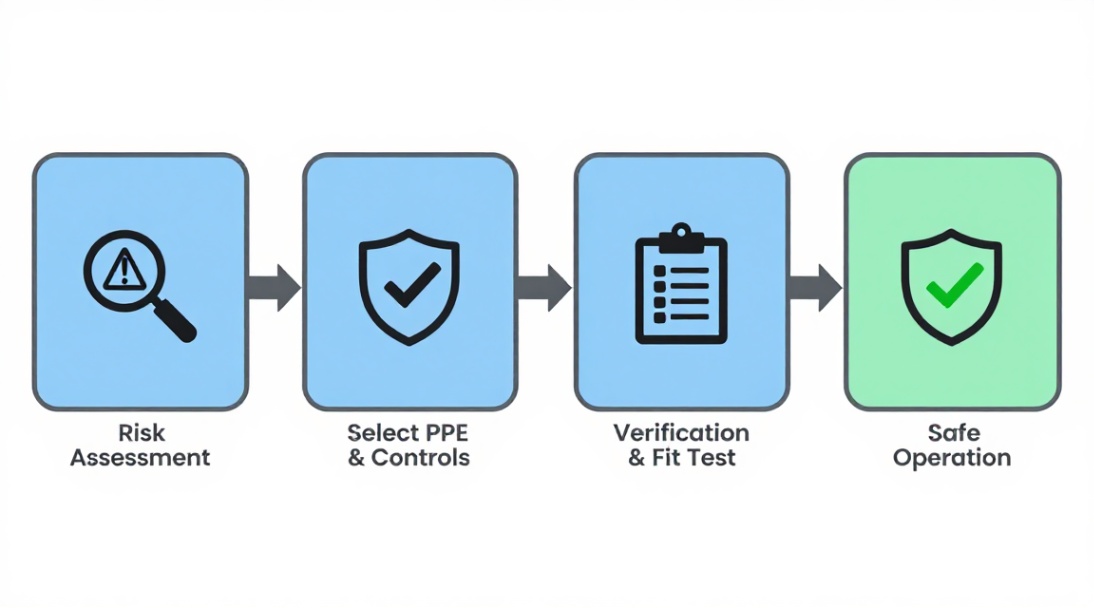
First, assess the exposure. If dust is visible in the air, or settles on surfaces, assume engineering controls are insufficient and exposure may exceed the PEL.
Second, implement primary controls. Prioritize fixing ventilation and dust collection. This reduces the burden on the respirator.
Third, select the correct respirator. For any task where dust is actively generated and not fully captured, default to a tight-fitting, NIOSH-approved elastomeric half-mask respirator with P100 filters. This provides the highest assurance. Disposable N95 masks are only for final clean-up or very light, incidental exposure in a well-controlled environment.
Fourth, establish the programme. Develop the written plan, arrange for medical evaluations and fit testing, and conduct training. Document everything.
Finally, consider the full profile. Silicon carbide dust is abrasive and irritating. Pair your respiratory protection with tightly sealed safety glasses to prevent eye irritation and protective clothing to keep dust off skin and out of street clothes.
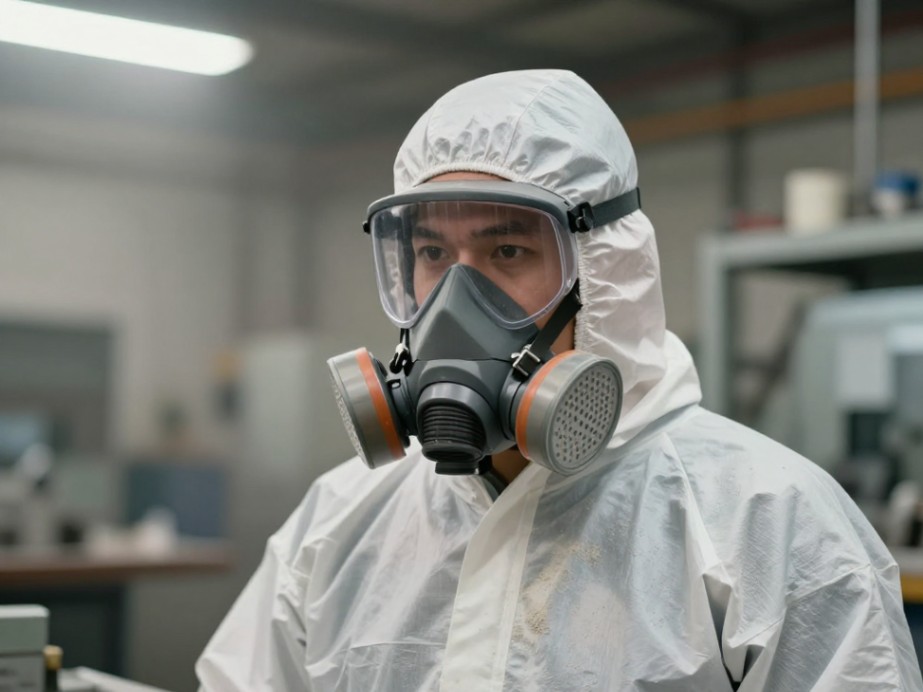
The correct approach to silicon carbide dust mask and respirator requirements is systematic. It begins with recognizing the silent hazard of the dust itself, rejecting inadequate protection, and building a compliant, multi-layered defense. Your respiratory health depends on this precise, logical sequence of controls.
eduloc founded on October 17, 2012, is a high-tech enterprise committed to the research and development, production, processing, sales and technical services of ceramic relative materials such as Silicon. Our products includes but not limited to Boron Carbide Ceramic Products, Boron Nitride Ceramic Products, Silicon Carbide Ceramic Products, Silicon Nitride Ceramic Products, Zirconium Dioxide Ceramic Products, etc. If you are interested, please feel free to contact us.
RELATED POSTS
Alumina Balls Participate In The International Space Station Material Experiment Project
Nickel Iron Alloy (NiFe ( 36/64 wt%))-Sputtering Target
Tantalum-doped Lithium Lanthanum Zirconium Oxide (Li6.75La3Zr1.75Ta0.25O12)-Powder
The oil prices have fallen may have an important effect on the boat trailer accessories market
Precision Application Of Stainless Steel Balls In Micro-Robot Bearings