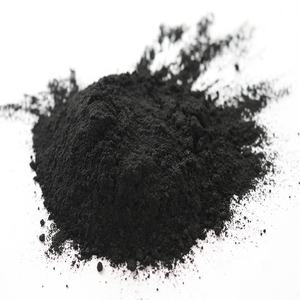
High-Density Grinding Media Balls for Industrial Applications

Title: Silicon Carbide Balls Get Second Life: Recycling Breakthrough Changes the Game!

(Silicon Carbide Ball Waste Recycling Technology Achieved A Breakthrough)
Blog:
Silicon carbide balls. They sound tough. They are tough. Think tiny industrial diamonds grinding away inside machines. Factories use mountains of them for cutting, polishing, grinding metal and ceramics. But like anything, they wear down. For years, mountains of used, worn-out silicon carbide balls piled up. Landfills groaned. Recycling seemed impossible. That story just changed. Big time. A major leap in recycling technology is here, turning this super-hard waste into valuable material again. This isn’t just tidier; it’s a potential revolution for factories and the planet. Let’s dive in.
What is Silicon Carbide Ball Waste Recycling?
Picture tiny, incredibly hard balls, often dark grey or black. They’re made of silicon carbide, a material almost as hard as diamond. Factories use these balls inside machines called ball mills or attritors. The balls tumble and crush raw materials into super-fine powders for everything from car parts to electronics. Over time, constant bashing wears them down. They get smaller. They chip. They crack. Eventually, they’re too small or broken to work well. That’s silicon carbide ball waste. It’s hard, abrasive, and chemically stable. For decades, recycling this specific waste stream was incredibly difficult and expensive. Often, the only option was landfill. This new technology changes that completely. It focuses specifically on reclaiming the silicon carbide from these spent balls efficiently.
Why Was Recycling This Waste Such a Headache Before?
Silicon carbide’s toughness is its superpower. That same toughness made recycling a nightmare. Think about it. How do you break down something almost as hard as diamond? Traditional crushing methods barely made a dent. Chemical processes struggled too. Silicon carbide resists most acids and bases. Trying to separate the pure silicon carbide from contaminants or the binder materials holding the balls together was like trying to unscramble an egg. The energy needed was huge. The cost was often higher than just buying brand new silicon carbide grit or new balls. So, factories faced a bad choice: pay a fortune to recycle (if possible) or dump it. Environmental regulations tightened. Landfill space shrank. Disposal costs rose. The pressure mounted. The industry desperately needed a smarter solution.
How Does This New Recycling Technology Actually Work?
The magic isn’t one trick. It’s a smart combination. First, the worn-out balls get collected. They might be sorted roughly by size or condition. Then comes the clever part. The new process uses a mix of precise mechanical methods and targeted thermal treatments. Imagine controlled crushing and grinding steps designed specifically for silicon carbide’s hardness. Specialized equipment applies force exactly where needed. This breaks down the balls without destroying the valuable silicon carbide grains inside. Next, thermal treatment steps come in. Carefully controlled heat helps separate any remaining binders or impurities clinging to the silicon carbide particles. Think of it like baking off dirt without melting the diamond. Advanced separation techniques, maybe using magnets or specific gravity, pull out any leftover metal fragments or other contaminants. The end result? High-purity silicon carbide powder. This powder is ready to be the raw material for making brand new silicon carbide products, including… new grinding balls! It’s a true closed loop.
What Can We Actually Do With This Recycled Silicon Carbide?
The applications are exciting and wide-ranging. The recycled high-purity silicon carbide powder is the key ingredient. Here’s where it goes:
1. Back to Grinding: The most direct use. The recycled powder gets pressed and sintered into brand new silicon carbide grinding balls. This closes the loop perfectly. Factories get fresh grinding media made partly from their own waste. Costs drop.
2. Abrasive Blasting: That tough powder is perfect for abrasive blasting. Think sandblasting, but way more effective and durable. It cleans metal surfaces, removes rust, prepares surfaces for painting. Recycled SiC offers a cost-effective, high-performance alternative to mined abrasives.
3. Refractory Materials: Silicon carbide is fantastic at handling extreme heat. Recycled SiC powder strengthens bricks and linings for furnaces, kilns, and incinerators. It makes them last longer under intense conditions.
4. Ceramic Composites: Adding recycled SiC powder to ceramics makes them incredibly strong and wear-resistant. Think cutting tools, armor plates, or high-performance engine components.
5. Construction Materials: Even industries like construction benefit. Adding SiC powder to special concrete or coatings makes surfaces incredibly resistant to abrasion and chemicals – perfect for demanding factory floors or chemical plants.
FAQs: Your Silicon Carbide Recycling Questions Answered
Q: Is the recycled silicon carbide as good as new?
A: Yes. The breakthrough technology recovers high-purity silicon carbide powder. Performance tests show it matches virgin material in hardness and chemical properties. New grinding balls made from recycled powder work just as well.
Q: How much money can factories save?
A: Savings are significant. First, factories slash disposal costs for hazardous waste. Second, buying recycled grinding media or using recycled powder internally is cheaper than constantly buying new virgin material. Exact savings depend on volume and local disposal costs, but it’s a major financial plus.
Q: What’s the main environmental benefit?
A: Huge reductions in landfill waste are the biggest win. Mining less raw material saves energy and reduces habitat destruction. Lower energy needed for recycling versus making virgin SiC also cuts carbon emissions. It’s a much cleaner process overall.
Q: Is this technology available now?
A: Yes. The breakthrough tech is moving beyond the lab. Pilot plants are operational. Larger-scale recycling facilities are being planned or built right now. Early adopters in heavy industry are already seeing benefits.
Q: Are there any limitations?
A: The tech handles standard silicon carbide grinding ball waste effectively. Extremely contaminated waste streams (like balls mixed with heavy metals or complex chemicals) might need extra pre-cleaning steps. The core process for pure SiC ball waste is proven and robust.

(Silicon Carbide Ball Waste Recycling Technology Achieved A Breakthrough)
This breakthrough isn’t just about cleaning up a mess. It’s about seeing waste for what it truly is: a resource waiting for the right key. Silicon carbide ball waste recycling is now a reality. It cuts costs. It protects the environment. It makes factories more efficient and sustainable. The era of throwing away these industrial diamonds is over. The future is circular, and it starts with giving tough materials a second chance.
RELATED POSTS
What is Spherical Aluminum Oxide Al2O3 Powder?
Is titanium dioxide harmful to the body?

Silicon Carbide 600 Grit Powder: Critical Errors to Avoid When Ordering in Bulk
Optimization Of Alumina Ball Particle Size Distribution, Grinding Efficiency Increased By 20%

Dysprosium Titanium Oxide (DyTiO3)-Sputtering Target