High-Density Grinding Media Balls for Industrial Applications

Final Polish Fails: 5 Critical Errors When Using 1500 Grit SiC Powder
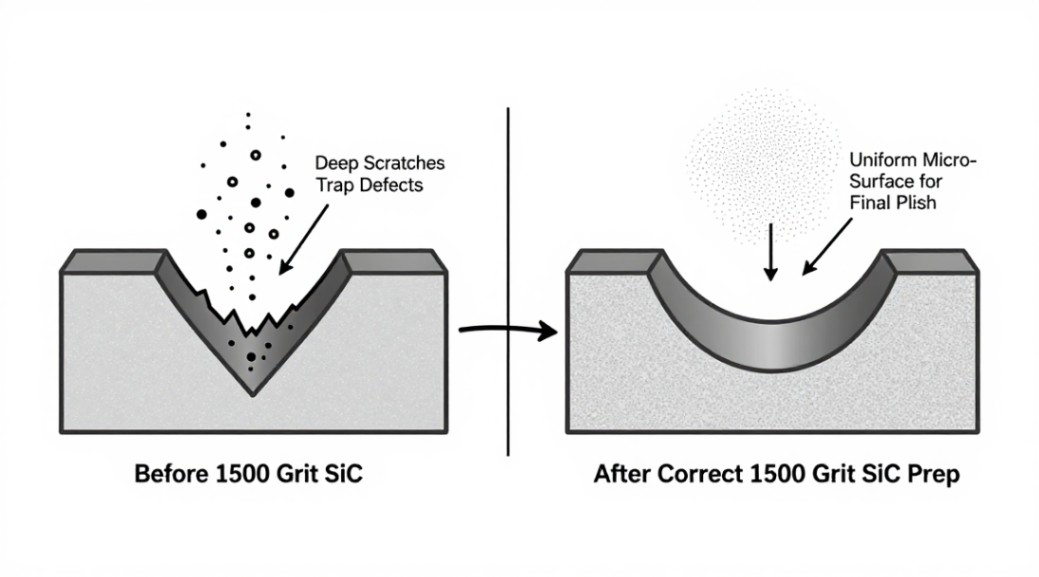
Many workshops misuse ultrafine 1500 grit silicon carbide powder, leading to subpar finishes, hidden scratches, and wasted time. This abrasive is not for shaping; its singular role is to prepare a perfect surface for a true final polish by removing the micro-scratches from coarser grits like 600 or 1200. Treat it wrong, and you trap defects under a shiny coat. Treat it correctly, and you unlock a flawless, mirror-ready base. This is your professional warning guide.
Mistake #1: Using 1500 Grit as Your Final Step
This is the cardinal sin. 1500 grit silicon carbide powder is a pre-polish. It creates a uniform matte or semi-gloss finish with a surface roughness (Ra) typically between 0.1-0.3 microns. A true final polish, using diamond or cerium oxide, targets 0.05 microns or lower. If you stop at 1500 SiC, you leave a network of microscopic grooves that diffuse light, preventing true clarity. The step is non-negotiable: 1500 grit prepares the canvas; finer compounds provide the shine.
Mistake #2: Ignoring Grit Progression and Jumping Stages
A flawless 1500-grit finish depends entirely on the quality of the preceding steps. Jumping from 320 grit directly to 1500 grit is futile. Each grit must completely erase the scratch pattern of the previous one. The recommended progression for hard materials like granite or hardened steel is:
- Complete removal of major imperfections with 80-220 grit.
- Establish a uniform scratch pattern with 400-600 grit.
- Refine that pattern with 800-1200 grit.
- Use ultrafine 1500 grit silicon carbide powder for final polish preparation, eliminating all visible 1200-grit scratches.
Users on Reddit forums for lapidary work consistently report failure when they skip the 1200 grit stage, noting that the 1500 powder ‘just seems to take forever’ without improving the finish-because it’s still working to remove deeper scratches.
Mistake #3: Poor Slurry Mixing and Substrate Pairing
The powder is a tool, not a magic dust. Its performance hinges on correct preparation.
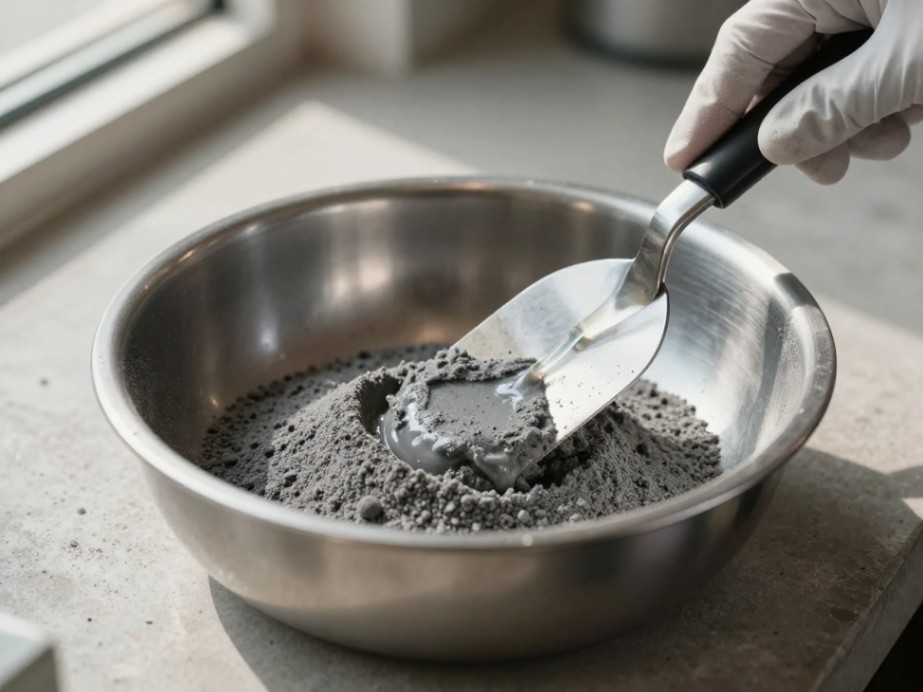
- Mix Ratio: For a final prep polish, create a thin, milky slurry. A common ratio is 1 part powder to 5-8 parts water or light oil (like mineral oil). A paste-like slurry will glaze over and cut inefficiently.
- Medium Matters: Use water for most stones and metals. Use oil for water-sensitive materials (like some sedimentary stones) or for a slightly cushioned, slower cut on delicate surfaces.
- Wrong Substrate: 1500 SiC excels on hard, non-ferrous materials: glass, granite, quartz, aluminium, brass, and composites. It is less effective on soft woods or plastics, where it can embed.
Mistake #4: Incorrect Pressure and Tool Speed
Aggressive technique destroys the purpose of this fine grit. The goal is refinement, not removal.
- Pressure: Use light to moderate pressure. Let the abrasive do the work. Heavy pressure fractures the friable SiC particles prematurely, creating a wider scratch pattern and potentially damaging the substrate.
- Speed: For machine polishing (using a rotary tool with a felt bob or a flat lap machine), maintain a medium speed. 1000-1500 RPM is a common range for handheld tools. High speeds generate heat, which can burn the surface or cause the slurry to dry and cake.
- Time: Work the slurry until it turns a grayish colour and begins to dry. This indicates the abrasive has broken down and is no longer cutting efficiently. At this point, add a few drops of medium or wipe clean and apply fresh slurry.
Mistake #5: Neglecting Safety and Cleanliness
Silicon carbide dust is a respiratory irritant. The ultrafine nature of 1500 grit powder means it stays airborne longer.
- Always use wet processing. This controls dust and improves cutting action.
- Wear a NIOSH-approved N95 mask or better if any dry handling or cleanup is necessary.
- Implement strict workspace hygiene. Clean all equipment and surfaces between grits with a dedicated rag or brush. A single larger grit particle contaminating your 1500 slurry will create deep, catastrophic scratches, ruining hours of work. Isolate your final prep polish area from coarse grinding operations.
Selecting the Right Powder: Purity is Paramount
Not all 1500 grit powders are equal. For a reliable final prep polish, you need consistency.
- Particle Size Distribution: High-quality powder has a tight distribution. This means 95% of particles are very close to the nominal 8-12 micron size (1500 grit equivalent). Cheap powders have a wide range, where larger outliers act like 800-grit particles and ruin your surface.
- Chemical Purity: Look for 99%+ pure silicon carbide. Impurities like iron can cause staining on sensitive metals or stones.
- Comparison to Alternatives: Alumina (aluminum oxide) is softer and will glaze faster. Diamond is harder and more expensive, making it overkill for this pre-polish stage. Ultrafine 1500 grit silicon carbide powder for final polish prep offers the ideal balance of hardness, friability, and cost-effectiveness for this specific task.
Conclusion: The Path to a Perfect Foundation
Ultrafine 1500 grit silicon carbide powder is the critical bridge between rough grinding and brilliant polishing. Respect its role as a pre-polish. Adhere to a strict grit progression. Mix and apply it with precision. Prioritize cleanliness and safety. Master these steps, and you will consistently produce a flawless, scratch-free foundation ready for a true mirror finish. The difference is visible under any light.
eduloc founded on October 17, 2012, is a high-tech enterprise committed to the research and development, production, processing, sales and technical services of ceramic relative materials such as Final. Our products includes but not limited to Boron Carbide Ceramic Products, Boron Nitride Ceramic Products, Silicon Carbide Ceramic Products, Silicon Nitride Ceramic Products, Zirconium Dioxide Ceramic Products, etc. If you are interested, please feel free to contact us.
RELATED POSTS
Rubidium Chromate (Rubidium Chromium Oxide) (Rb2CrO4)-Powder
Aqueous calcium stearate market analysis report released: Looking forward to future development trends faci calcium stearate
Carbon allotrope – high-purity graphite powder
Choosing the Right Aerospace Grade SiC Powder Supplier: A Guide to Avoiding Costly Mistakes
how to grind on dragon ball rage