High-Density Grinding Media Balls for Industrial Applications

The Problem You Know Too Well
You’ve seen it, or perhaps felt it slipping from underfoot: a newly coated surface that promised safety but delivered a hazard. On decking slick with morning dew, on factory floors glazed with oil, or on pool surrounds where a film of water creates a skating rink, the consequences of a poorly formulated non-slip coating are more than just embarrassing. They are expensive, dangerous, and a liability. A common mistake lies in the choice of aggregate. Traditional materials like rounded silica sand wear smooth, aluminum oxide can break down too quickly in harsh chemical environments, and many coatings offer a brutal, skin-shredding texture that no one wants to walk on barefoot. The feedback is consistent. In technical forums and project reviews, contractors and engineers lament the short lifespan of cheaper options. “The grit wore off in one season,” one user on a marine refit forum noted. Another, discussing an industrial ramp application, stated, “We had to re-grit the entire area after six months due to polishing under foot traffic.” The pain point is clear: finding an aggregate that balances aggressive, long-lasting traction with durability and a manageable surface profile.
Why 600 Grit SiC Powder is the Objective Choice
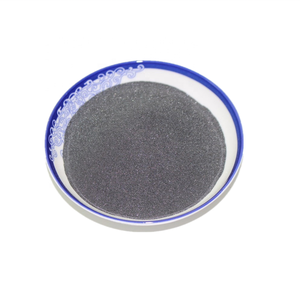
Let’s define the solution. Silicon Carbide (SiC) is a synthetic mineral of exceptional hardness, second only to diamond and boron nitride on the Mohs scale. 600 grit SiC powder refers to particles that have been precisely graded and crushed to an average size of approximately 15.3 microns. This size is not arbitrary. It sits in a critical performance sweet spot. The grains are fine enough to create a dense, uniform, and relatively smooth-feeling texture underfoot-think of the grip on high-quality skateboard tape, not coarse sandpaper. Yet, they are large and hard enough to provide millions of microscopic, sharp-edged contact points that bite into shoe soles, even when wet or oily. The angular, fractured nature of crushed SiC is key. Unlike rounded natural sands, these angular particles maintain their bite, resisting the polishing effect that smooths out other aggregates over time. Furthermore, silicon carbide is chemically inert. It laughs at saltwater, resists most industrial acids and solvents, and won’t rust or stain. This makes 600 grit SiC powder for non-slip coatings the definitive choice for environments where corrosion and chemical exposure are daily realities.
A Practical Guide to Application
Understanding the material is one thing. Applying it correctly is where projects succeed or fail. This is a procedural craft, and each step matters.
Step One: Surface Preparation and Primer
No aggregate can save a poorly prepared substrate. This is non-negotiable. The surface must be clean, sound, and completely free of contaminants like oil, grease, or old, flaking coating. For concrete, this often means abrasive blasting to a CSP 3 profile. For steel, near-white metal blast cleaning (Sa 2.5) is typical. Once prepared and dry, apply a compatible epoxy or urethane primer. The primer’s job is to create a perfect, chemically bonded foundation. Apply it strictly according to the manufacturer’s technical data sheet, watching the pot life and ambient conditions. The primer must be tacky but not wet for the next step.
Step Two: Mixing the Broadcast Aggregate
Here is where you introduce the 600 grit SiC powder. Do not mix it directly into the bulk coating resin. The standard industry method is the “broadcast” or “sprinkle” technique. First, mix your chosen high-build epoxy or polyurethane topcoat. Apply a controlled, even layer of this resin to the primed surface. The thickness is critical-aim for a wet film thickness that allows for proper embedment, typically between 30 and 40 mils. Now, while the resin is still wet, uniformly broadcast the dry SiC powder over it. Use a mechanical shaker or a handheld sieve for consistency. The goal is a near 100% coverage, a uniform blanket of particles. A common mixing guideline is 1 to 1.5 pounds of 600 grit SiC per square foot, but always verify with your resin system’s specifications. The particles should sink into the resin until only about 30-50% of their height remains exposed. This mechanical lock is what provides permanent traction.
Step Three: Curing and Sealing
Allow the coating to cure fully as per the system’s guidelines-usually 12 to 24 hours at room temperature. After curing, you will see a textured surface with the SiC particles firmly anchored. There will be excess, unbonded powder on top. Sweep or vacuum this away thoroughly. For enhanced cleanability, chemical resistance, and color, a seal coat is often applied. This is a thin flood coat of clear or pigmented resin. It fills the valleys between the SiC peaks, locking them in further and creating a smooth, easy-to-clean surface while leaving the grit tips exposed for traction. This final step is what gives premium non-slip coatings their professional finish.
Where This Knowledge Pays Off
The properties of 600 grit SiC powder dictate its ideal applications. In marine environments, from boat decks to ship walkways and docks, its saltwater corrosion resistance is invaluable. On industrial floors in food processing plants, chemical plants, or automotive workshops, it withstands constant traffic, thermal cycling, and fluid spills without degrading. Around swimming pools and on shower floors, it provides essential wet traction without being painfully abrasive to bare skin. I’ve reviewed projects where a switch from a larger, coarser aggregate to 600 grit SiC resolved complaints about surface comfort while maintaining safety standards. The cost-benefit analysis is straightforward. While the initial material cost for SiC is higher than for silica sand, its lifespan is multiples longer. You are not paying for repeated recoating labor, downtime, or liability risk. You invest once in a system that performs for years.
The Final Step: Moving Forward
The methodology is proven. The material science is sound. The next step is to move from theory to specification. Source your 600 grit SiC powder from a reputable supplier who can provide consistent particle size distribution and material safety data sheets. Handle it with appropriate PPE-a NIOSH-approved dust mask and eye protection-as with any fine particulate. Test your chosen resin-and-aggregate system on a small panel or inconspicuous area first. Confirm the adhesion, the cured texture, and the aesthetic result. This due diligence separates a successful, long-lasting installation from a call-back. By following these steps and specifying silicon carbide, you are not just applying a coating. You are engineering a durable, reliable safety surface designed to perform under pressure.
eduloc founded on October 17, 2012, is a high-tech enterprise committed to the research and development, production, processing, sales and technical services of ceramic relative materials such as How. Our products includes but not limited to Boron Carbide Ceramic Products, Boron Nitride Ceramic Products, Silicon Carbide Ceramic Products, Silicon Nitride Ceramic Products, Zirconium Dioxide Ceramic Products, etc. If you are interested, please feel free to contact us.
RELATED POSTS
Aluminum Titanium Oxide (Al2O3-TiO2)-Pieces

Molybdenum dithiocarbamate (MoDTC): the future star of high-performance lubricants and agricultural applications modtc
Atomized Magnesium Antimony Alloy (MgSb(20:80))-Powder
The Test Data Of Silicon Carbide Balls In An Aerospace Bearing Factory
Stainless Steel Ball Tariff Adjustments Affect The Supply Chain