High-Density Grinding Media Balls for Industrial Applications

Struggling to Find the Right Etching Grit? You’re Not Alone
Have you ever spent hours masking a beautiful glass design, only to end up with a scratchy, shallow, or uneven etch? Maybe the result looks more like frosted smudges than crisp lines. We’ve been there. A lot of the time, the problem isn’t your skill-it’s the abrasive. Many of us start with sandbox sand or cheap craft-store powders. They seem okay at first. But achieving professional depth and detail? That’s a different story. Let’s talk about the material that changed our workshop: black silicon carbide powder for etching glass.
What is Black Silicon Carbide and Why is it a Top Choice?
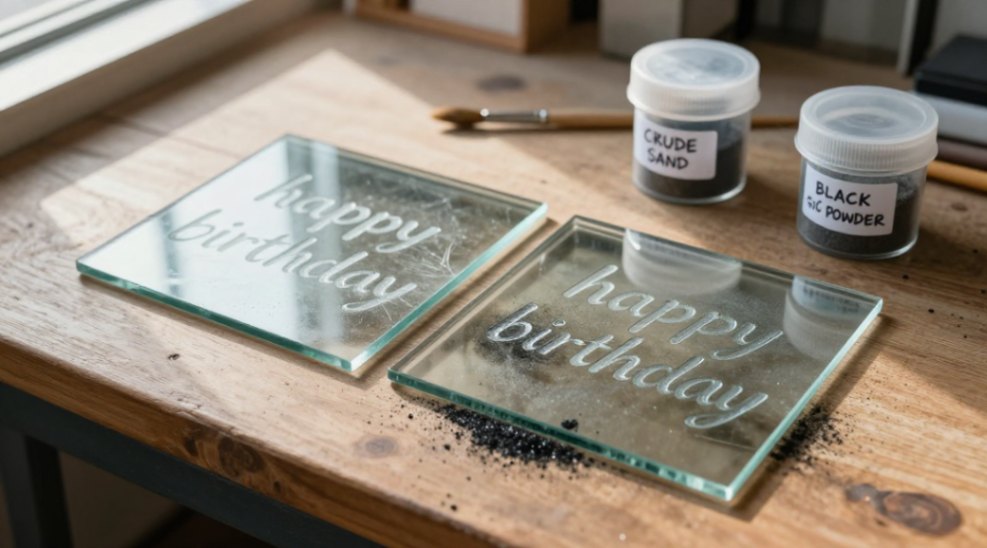
Black silicon carbide (SiC) is a synthetic, ultra-hard abrasive. We’re not talking about vague ‘sanding powder.’ This is a purpose-engineered ceramic material. In the kiln, we create it at extreme temperatures, resulting in sharp, angular grains. These grains are the key. They physically abrade the glass surface, chipping away microscopic particles to create a permanent, satin-white mark. Unlike softer abrasives that can round off, SiC grains fracture to maintain sharp cutting edges. This gives you consistent, aggressive material removal. For etchers, it’s the difference between pushing a blunt pencil and a sharp scalpel.
Black Silicon Carbide vs. The Competition: An Honest Comparison
Let’s break down how SiC stacks up against other common options. This is where we see the real-world differences.
Versus Common Sand
Regular sand is cheap and available. That’s its only advantage. Sand particles are mostly quartz (silica), which is softer than glass. They also have rounded edges from natural weathering. The result? You have to work longer, you get shallow etching, and the fine silica dust is a severe respiratory hazard (silicosis). Black silicon carbide cuts faster, creates deeper marks, and generates less hazardous dust. There’s no contest.
Versus White Aluminum Oxide
This is a closer match. Aluminium oxide is a good, hard abrasive. On forums like Reddit, many users note it’s great for polishing and lighter blasting. But for dedicated glass etching? The feedback is clear. Black SiC is noticeably harder and sharper. It etches faster and produces a crisper, more opaque finish. Aluminium oxide can sometimes leave a slightly grayish tint, while SiC gives that classic, bright white frost. For deep carving or industrial marking, the community consensus leans heavily toward SiC.
Versus Chemical Etching Creams
This is an apples-to-oranges comparison, but it’s crucial. Chemical creams use acid to melt the glass surface. They’re great for very fine, photoresist-style detail on perfectly flat surfaces. But they have limitations. They can’t create depth or texture. Safety is a major concern-fumes and skin contact are risky. Disposal of spent acid is an environmental headache. Mechanical abrasion with black silicon carbide powder gives you tactile depth, works on curved or irregular glass, and involves no hazardous chemicals. You control the outcome with pressure and time.
The Grit-Size Decision: Your Key to Control
Choosing the right grit size is non-negotiable. This single factor determines your finish.
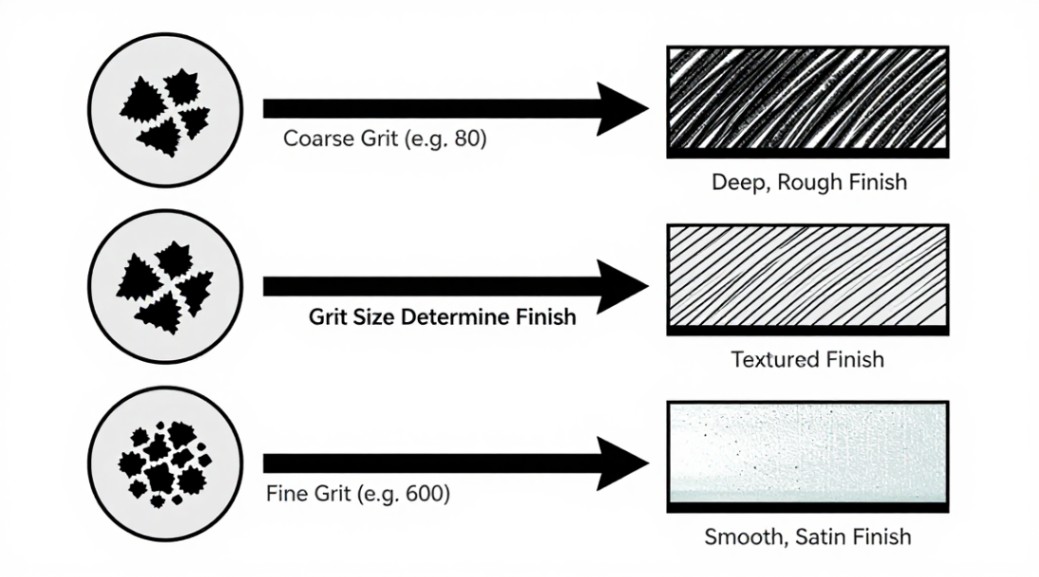
- Coarse Grits (80 – 150): This is for aggressive, deep carving. You’ll get a rough, textured finish fast. Ideal for bold signatures or deep-relief art. Start here if you need significant depth.
- Medium Grits (180 – 400): The workhorse range. Perfect for standard etching, marking, and creating a solid, opaque frost. It balances speed and a smooth-enough finish for most projects.
- Fine Grits (500+): Use these for delicate detail, subtle shading, or refining a surface after coarse etching. The finish is smoother, less ‘toothy.’
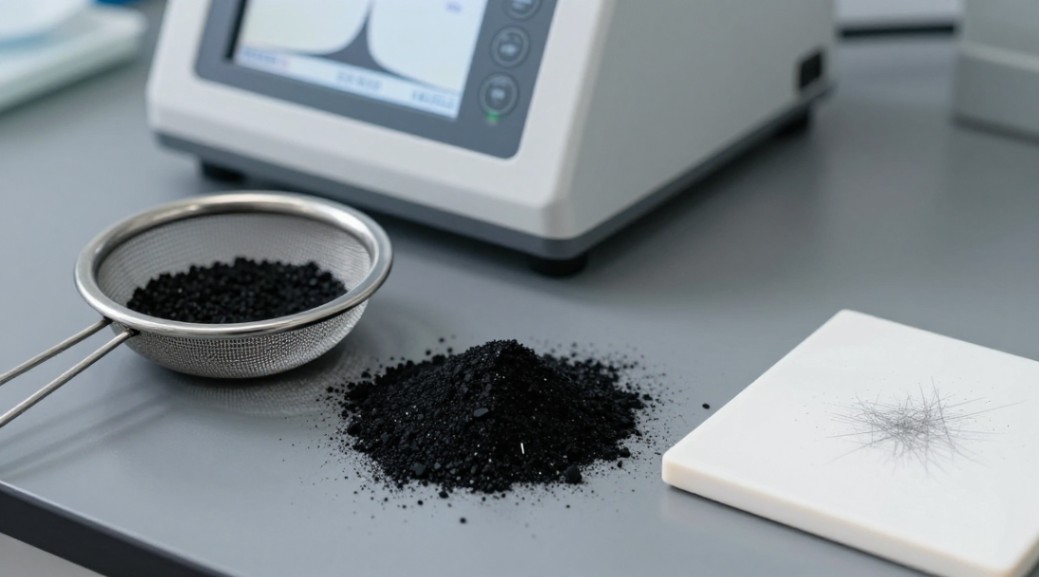
Our rule? Start coarser than you think for depth, then move to finer grits to refine the texture. Always sieve your powder before use to remove clumps and ensure consistency.
The Safe and Effective Etching Process: A Step-by-Step Guide
Success hinges on method. Here’s the dry process we’ve refined over the years.
| Step | Action | Key Details |
|---|---|---|
| 1. Prep & Mask | Clean glass with isopropyl alcohol. Apply a high-tack vinyl or resist stencil. | Ensure no air bubbles. Burnish edges completely. |
| 2. Set Up Safety | Work in a well-ventilated booth or outdoors. Wear a NIOSH-approved N95/P100 respirator, sealed goggles, and nitrile gloves. | Never skip respiratory protection. SiC dust is an irritant. |
| 3. Load the Media | Pour a small pile (approx. 50-100 grams) of your chosen grit SiC powder onto a sturdy, non-slip surface. | Use a dedicated tray or rubber mat. Reclaim unused powder. |
| 4. Etch | Press the masked glass firmly into the powder. Use a consistent, circular or back-and-forth motion. Apply even pressure for 30-60 seconds. Check depth. | Lift and cheque progress. Re-dip into fresh powder as needed. More time/pressure = deeper etch. |
| 5. Clean Up | Carefully peel the stencil. Rinse glass under running water into a bucket to settle powder. Wipe with a wet paper towel. | Never rinse abrasive dust down the drain. Let slurry settle, then dispose of solid waste in trash. |
| 6. Dispose | Allow the rinse-water bucket to settle for 24 hours. Decant clean water. Place wet sludge in a bag, seal it, and put it with solid waste. | Protect plumbing and the environment. Used SiC is inert but will clog pipes. |
Where to Use Black Silicon Carbide Powder
This abrasive isn’t just for hobbyists. Its consistency makes it an industrial tool.
- Studio Art & Signage: Creating permanent artwork, logos, or decorative patterns on glassware and windows.
- Industrial Part Marking: Etching serial numbers, logos, or data matrix codes onto glass components for traceability.
- Heritage & Restoration: Carefully replicating historical etched patterns or marking replacement panes in restoration work.
Sourcing the Right Material: What to Look For
Not all SiC powder is equal. You need material graded for abrasive blasting or lapping, not refractory or metallurgical use. Look for suppliers that specify grit size (e.g., #220) and offer consistent, clean powder free of oversized particles or dust. While China is a major producer of alumina and SiC, the key is finding a distributor with strict quality control for artistic/industrial abrasives. Read reviews. Ask for a small sample to test the cut and finish.
The Clear Choice for Professional Results
After decades of testing every abrasive under the sun, our workshop standard is clear. For reliability, speed, and a quality finish, black silicon carbide powder for etching glass is the superior mechanical method. It outperforms sand and aluminum oxide for this specific job. It gives you a tactile, safe alternative to chemicals. If you’re tired of weak etches and want professional-grade depth and opacity, you need to try it. Stop experimenting with subpar media. Get a small bag of 220-grit black SiC, follow the safety and process steps above, and see the difference on your very next piece. Your glasswork will thank you.
eduloc founded on October 17, 2012, is a high-tech enterprise committed to the research and development, production, processing, sales and technical services of ceramic relative materials such as Black. Our products includes but not limited to Boron Carbide Ceramic Products, Boron Nitride Ceramic Products, Silicon Carbide Ceramic Products, Silicon Nitride Ceramic Products, Zirconium Dioxide Ceramic Products, etc. If you are interested, please feel free to contact us.
RELATED POSTS
Zinc Arsenide (ZnAs2)-Powder
Revolutionizing Concrete with PVA Fibers: Enhancing Strength, Durability, and Sustainability pva fiber

Silicon Carbide Powder for Refractory Castables: Top 10 Pitfalls to Avoid for Engineers
Alumina Ball Southeast Asia Market Share Exceeds 20%

Gallium Nitride powder GaN cas 25617-97-4