High-Density Grinding Media Balls for Industrial Applications

The Local Search: Finding the Right Sand in the Right Dunes
Years ago, I helped a small foundry that needed a specific mesh of SiC powder to finish a rush order. Their online supplier had a shipping delay. We spent a frantic afternoon calling every industrial supplier in the phone book. It felt like searching for a specific grain of sand on a beach. That experience taught me that finding where to purchase silicon carbide powder locally isn’t just about convenience; it’s about solving a problem right now. The local marketplace for specialized materials like SiC powder is a hidden network. It exists. You just need to know where to look and what to say. Let’s walk through it together, step by step.

Understanding What You Need: More Than Just “Powder”
Silicon carbide powder isn’t a single product. It’s a category. You can find it used as a rugged abrasive for lapping and polishing metals, as a refractory additive in ceramics, or even as a conductive filler in specialized composites. Before you pick up the phone, define your project. This clarity saves hours. Are you sharpening tools, formulating a casting investment, or experimenting with a composite material? Your application dictates the critical specifications you must communicate to any supplier.
Your Step-by-Step Local Sourcing Action Plan
Step 1: Map Your Local Industrial Landscape
Start your search by targeting the right types of businesses. These are your most likely candidates for stocking SiC powder locally. Write them down as a checklist.
- Industrial Abrasives and Grinding Supply Houses: These are your best bet for common grits used in sandblasting, grinding wheels, and lapping compounds.
- Ceramic and Pottery Supply Stores: They often carry SiC as a refractory grog or for kiln wash formulations. Their stock tends toward coarser grits.
- Lapidary and Rockhounding Shops: If you’re working with stone or need powder for tumbling, these shops frequently sell small quantities of various grits.
- Welding Supply and Metalworking Distributors: Some stock SiC for specific weld cleaning or metal preparation processes.
Step 2: The Art of the Phone Call
Do not just ask, “Do you have silicon carbide powder?” You will likely get a confused pause. Be specific. Use the correct language. Here is your script.
First, introduce your project briefly. “Hello, I’m working on a [brief project: e.g., ceramic composite experiment] and I’m looking for silicon carbide powder. Can you cheque if you carry any in stock?”
Then, immediately ask about these three key specifications. This demonstrates you know your material and filters out incompatible stock.
- Grit Size or Mesh: This is the particle size. Ask for the FEPA F number (e.g., F220, F600) or the approximate micron rating. Common sizes range from coarse 36 grit (~500 microns) to fine 1200 grit (~3 microns).
- Purity/Grade: Is it a standard abrasive grade (often 95-98% SiC) or a high-purity ceramic grade (99%+)? For most abrasive and refractory uses, standard grade suffices.
- Quantity: Ask about the smallest unit they sell. Local suppliers often sell by the pound or kilogram, not by the 50-lb bag common online.
The Reality Check: Pros and Cons of Buying Local
Local sourcing solves immediate problems. You eliminate shipping costs and delays. You can inspect the material, sometimes even getting a small sample. For a hobbyist needing a pound of 80-grit to finish a knife, or a workshop running out of blasting media mid-job, this is ideal. The speed is unbeatable.
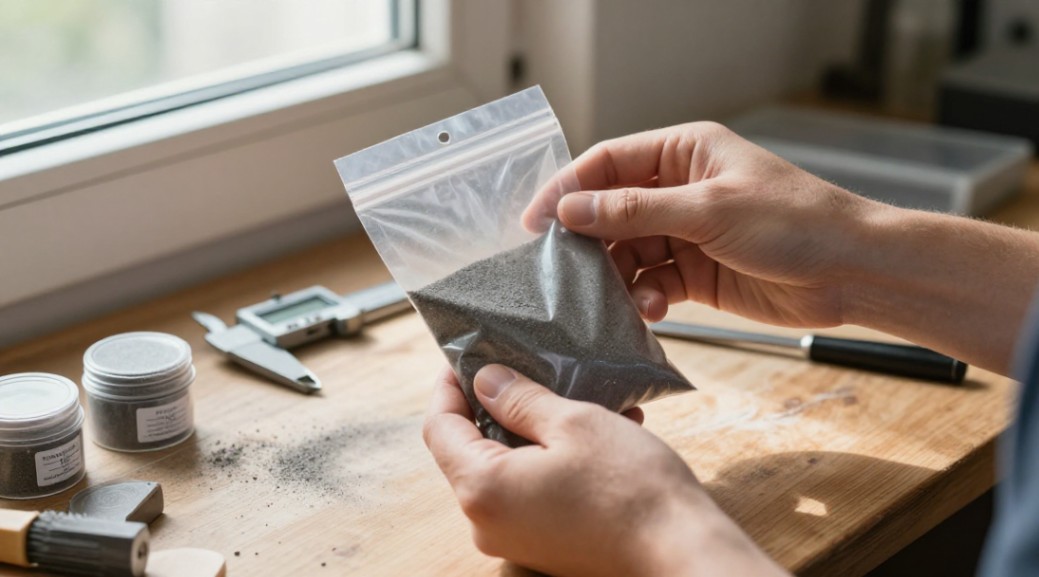
However, you face significant trade-offs. Your selection will be limited to common industrial grades. You will almost never find specialized items like sub-micron powders, doped SiC, or specific alpha/beta phase materials locally. Prices per unit weight are often higher than online bulk distributors. As one materials engineer I consulted put it, “Local sourcing is for known-quantity consumables, not for advanced material development.”
When Local Fails: Your Reliable Alternatives
What happens when your local calls come up empty? Don’t worry. The digital marketplace is your next, best tool. Reputable online ceramic material suppliers and large industrial abrasives distributors offer vast inventories. They provide detailed technical data sheets, batch purity analysis, and volume pricing. Your strategy shifts from finding stock to vetting suppliers. Look for companies with clear contact information, published specifications, and responsive technical support. Order a small test quantity first to verify quality.
Safety and Verification: Non-Negotiable Questions
Whether buying locally or online, you must address safety. When you find a local source, ask these two questions before you finalize the purchase.
First, ask for the Material Safety Data Sheet (MSDS/SDS). A legitimate supplier will have this. It outlines handling hazards, required personal protective equipment (PPE) like NIOSH-approved dust masks, and first-aid measures. Second, ask about the packaging and storage. Is the powder in a sealed, moisture-resistant container? How has it been stored? Poor storage can lead to contamination or clumping.
The Final Recommendation: A Balanced Approach
Here is my definitive advice, forged from two decades of sourcing. For common grits where you need less than 25 pounds immediately, pursue the local path. Use the phone script and checklist above. It’s efficient. For specialized grades, high-purity requirements, or bulk project quantities, turn to established online specialists. The selection is broader, the technical data is precise, and the cost efficiency is superior for serious work.
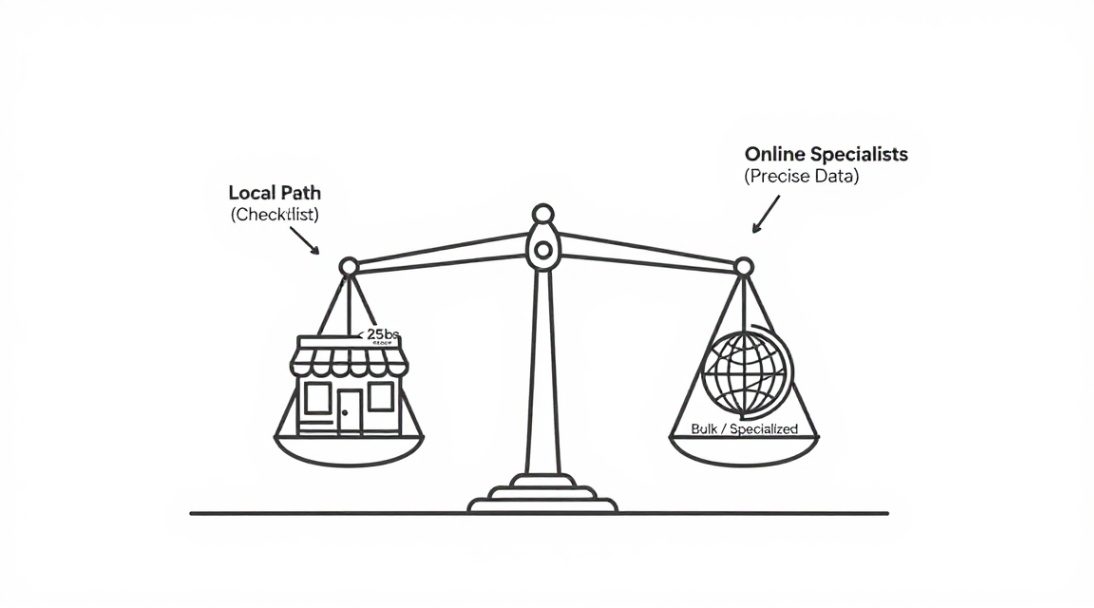
Your project’s success hinges on getting the right material. Start your search locally with a sharp, informed approach. But know when to expand your horizon to the global network of suppliers. Begin your local search today. Pick up the phone, call the nearest industrial abrasives supplier, and use your new script. That first call is the most important step. Take it.
eduloc founded on October 17, 2012, is a high-tech enterprise committed to the research and development, production, processing, sales and technical services of ceramic relative materials such as Your. Our products includes but not limited to Boron Carbide Ceramic Products, Boron Nitride Ceramic Products, Silicon Carbide Ceramic Products, Silicon Nitride Ceramic Products, Zirconium Dioxide Ceramic Products, etc. If you are interested, please feel free to contact us.
RELATED POSTS
Properties and Application of Hafnium Carbide
The decision by major producers to maintain production cuts has had an impact on 3d printed sand casting molds price
Erbium(III) Chloride Hydrate (ErCl3•xH2O)-Crystalline
Hastelloy Alloy (Ni-Cr-Mo-W)-Powder|EDULOC
Lead zirconate (PbZrO3)-Sputtering Target