High-Density Grinding Media Balls for Industrial Applications

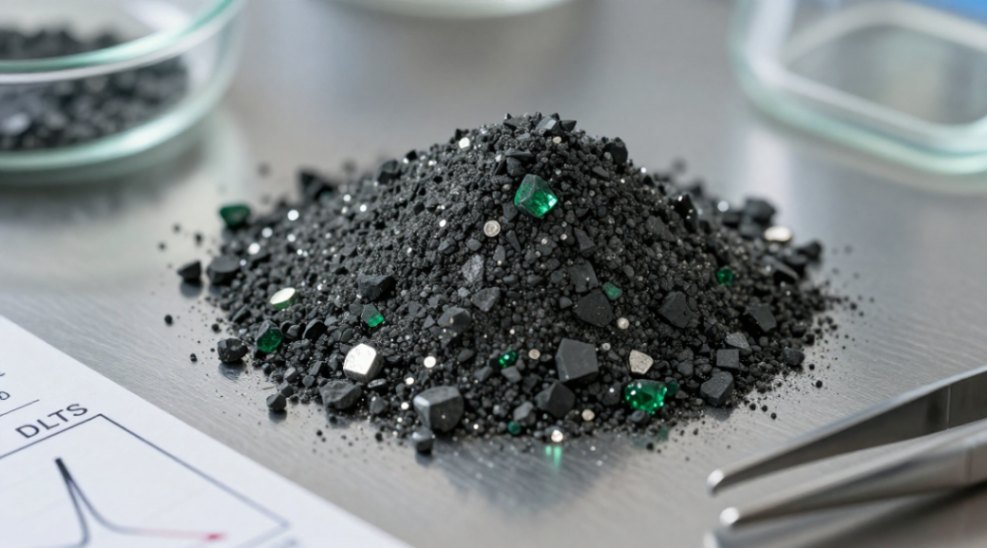
Dr. Evans in our lab down the hall spent six months chasing a ghost. Her novel high-voltage diode design kept failing unpredictably. We reviewed the epitaxial growth process, the lithography, the metallization. Everything seemed perfect. The breakthrough came when she finally ran a deep-level transient spectroscopy (DLTS) test on the starting substrate. The culprit? Trace metallic impurities in the silicon carbide powder used for the bulk crystal growth. It wasn’t “research grade.” It was the foundation. That day, I learned a hard lesson: in advanced materials, the journey begins long before your first deposition. It begins with the powder.
What is Semiconductor Grade Silicon Carbide Powder?
Semiconductor grade silicon carbide powder for research is the ultra-refined, meticulously engineered raw material used to grow single crystals of silicon carbide (SiC). These crystals are then sliced into wafers, forming the substrate for building advanced electronic devices. It’s the essential seed from which the entire SiC semiconductor industry grows.
Think of it as the flour for a master baker. You wouldn’t use all-purpose flour to craft a delicate, multi-layered croissant. Similarly, you can’t use industrial-grade SiC abrasive powder to make a high-frequency RF transistor. The purity, structure, and consistency of the powder directly dictate the electronic quality of the final crystal and the devices built upon it.
Why This Powder is Non-Negotiable for Advanced Research
Not all silicon carbide is created equal. For research pushing the boundaries of electronics, only semiconductor grade silicon carbide powder will do. Here’s why:
- The Purity Imperative: Total metallic impurity levels are often specified in parts per billion (ppb). A single stray iron or aluminum atom can create charge traps, killing device performance.
- Crystal Polytype Control: SiC has over 200 polymorphs. For power electronics, the 4H-SiC polytype is king. For certain optoelectronics, 6H-SiC is preferred. The powder synthesis must favor your target structure.
- Low Defect Density: The goal is to grow a near-perfect crystal. Starting with powder containing high intrinsic defect density (like stacking faults) is a battle lost before it begins.
How is it Made? The Synthesis Methods Decoded
Different methods yield powder with distinct characteristics for various research needs.
1. The Acheson Process (Modified)
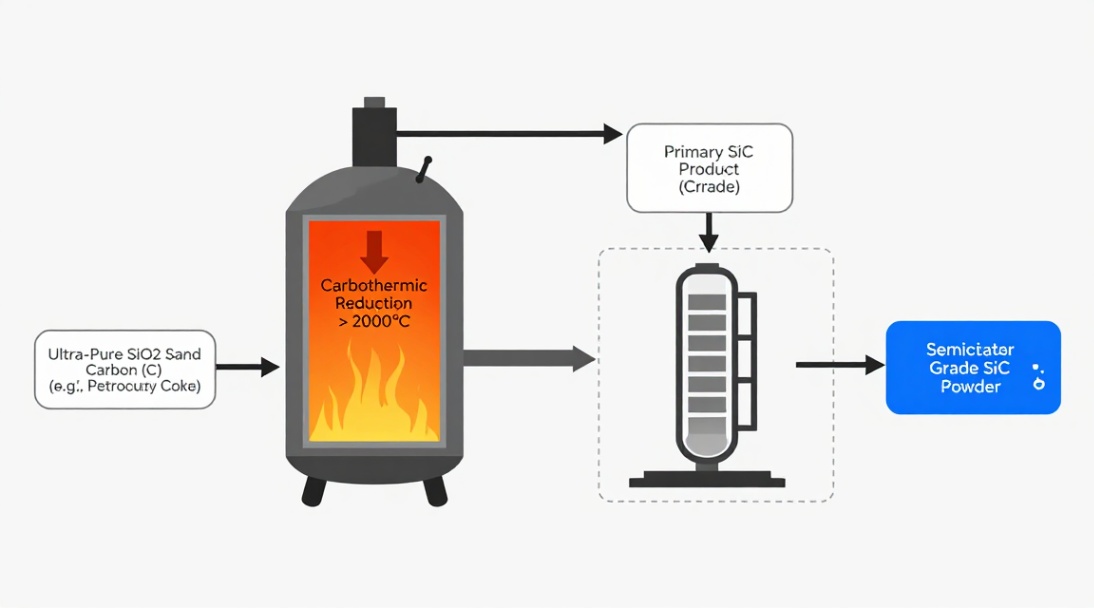
This is a high-temperature carbothermic reduction of silica sand and carbon. For semiconductor-grade powder, the process is refined with ultra-pure starting materials and controlled atmospheres. It’s cost-effective for producing larger volumes of powder, but achieving the highest purity levels requires significant downstream chemical purification.
2. Chemical Vapor Deposition (CVD)
Here, gaseous precursors like silane and a hydrocarbon decompose on a hot surface, depositing high-purity SiC. This method produces the purest powder available, with exceptional control over polytype and particle morphology. The trade-off is higher cost and lower production volume, making it ideal for high-stakes, foundational research.
3. Solution-Based Growth & Other Advanced Methods
Emerging techniques aim to grow SiC powder or crystals from metallic solutions. These methods can offer unique advantages in reducing defect formation energy, potentially providing a new route to ultra-low defect density starting materials for specialized quantum or photonics research.
Key Properties You Must Evaluate for Your Lab
When you request a spec sheet for semiconductor grade silicon carbide powder for research, here’s what to scrutinize:
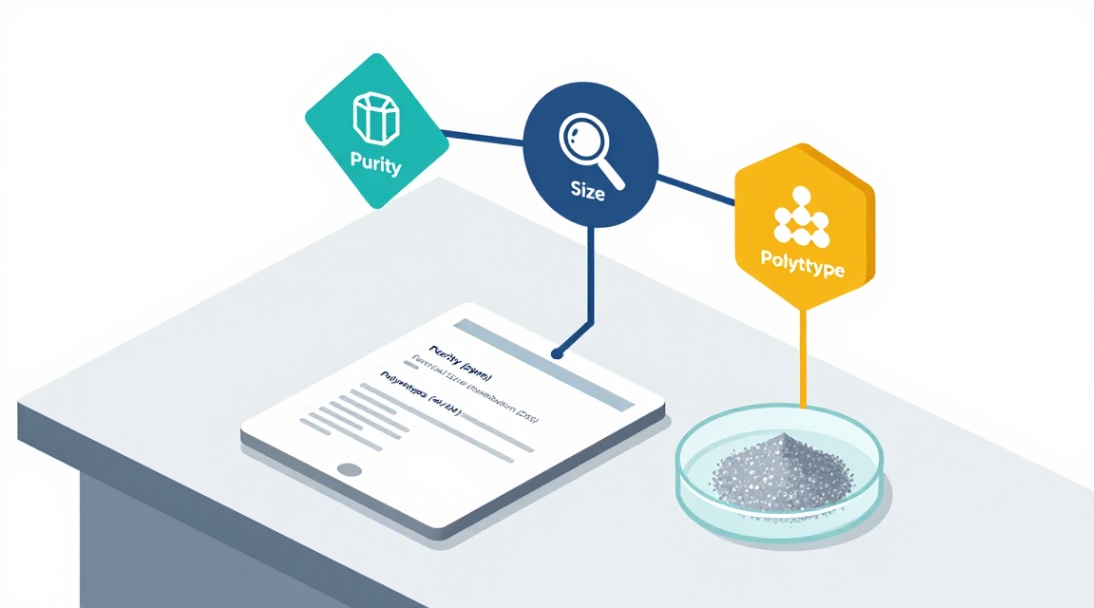
- Purity (4N, 5N, 6N): “4N” means 99.99% pure. For most device research, 5N (99.999%) is the baseline. Leading-edge work demands 6N.
- Polytype Ratio: What percentage is 4H vs. 6H vs. 3C? For power device research, insist on >95% 4H-SiC content.
- Particle Size Distribution (PSD): A tight, consistent PSD ensures uniform packing and predictable sublimation behavior during crystal growth (e.g., Physical Vapor Transport). Ask for the D10, D50, and D90 values.
- Particle Morphology: Are particles angular or more rounded? Morphology affects flow and packing density in the crucible.
- Specific Surface Area: This influences chemical reactivity, which is crucial for certain synthesis or doping processes.
Where It Powers Tomorrow’s Technology: Research Applications
This powder isn’t just for making wafers. It’s the feedstock for innovations across physics and engineering.
- Next-Generation Power Electronics: Every electric vehicle inverter, solar farm converter, and industrial motor drive aiming for higher efficiency and power density starts here. The powder quality enables the high-voltage, fast-switching SiC MOSFETs and Schottky diodes that make these systems possible.
- Harsh Environment Sensors: Researchers use high-purity SiC powder to grow crystals for sensors that must operate inside jet engines, nuclear reactors, or deep geothermal wells. SiC’s robustness is unlocked by the purity of its origin.
- Quantum Technology Research: Crystal defects in SiC, like silicon vacancies, are promising spin qubits. Creating these defects reliably requires an exceptionally perfect and pure host crystal, traceable back to the powder source material.
- RF & Microwave Components: For 5G/6G base stations and defense radar, SiC-based devices offer superior high-frequency performance. Uniform powder leads to uniform crystals, which leads to consistent, high-yield device fabrication.
Navigating the Challenges and Selecting a Supplier
The main hurdles are achieving high quality, uniformity, and reasonable cost simultaneously. For a research lab, consistency between batches is often more critical than absolute lowest price.
When evaluating a supplier of semiconductor grade silicon carbide powder for research, don’t just look at the data sheet. Ask for the characterization data behind it. Reputable suppliers for R&D, like Cree (Wolfspeed), II-VI (Coherent), or SiCrystal (a ROHM company), provide detailed lot analysis certificates. They understand that your research depends on traceability and verifiable specs.
Your Next Step in the Lab
If your work involves growing SiC crystals, developing novel doping techniques, or prototyping next-generation wide bandgap devices, your material choice is paramount. The baseline quality of your semiconductor grade silicon carbide powder sets the ceiling for your experimental results.
My advice? Start a conversation with a specialist supplier. Frame your specific research goals-are you optimizing for ultra-high purity, specific polytype yield, or a particular particle morphology for a novel growth technique? They can guide you to the right grade. Sometimes, requesting a small, characterized R&D sample batch is the most practical way to validate the material in your own processes before committing to a larger order. The right powder turns fundamental obstacles into reproducible breakthroughs.
eduloc founded on October 17, 2012, is a high-tech enterprise committed to the research and development, production, processing, sales and technical services of ceramic relative materials such as The. Our products includes but not limited to Boron Carbide Ceramic Products, Boron Nitride Ceramic Products, Silicon Carbide Ceramic Products, Silicon Nitride Ceramic Products, Zirconium Dioxide Ceramic Products, etc. If you are interested, please feel free to contact us.
RELATED POSTS
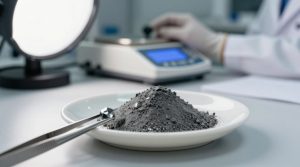
Choosing the Right Aerospace Grade SiC Powder Supplier: A 20-Year Veteran’s Breakdown
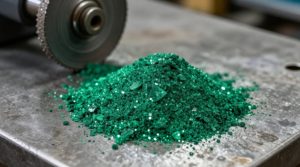
Green Silicon Carbide Powder for Grinding Wheels: Avoid These 4 Costly Mistakes
Dysprosium Titanium Oxide (DyTiO3)-Powder
Ruthenium(III) nitrosylchloride (Ru(NO)Cl3)-Crystalline
Knowing the interesting chemical elements boron B comes from afar