High-Density Grinding Media Balls for Industrial Applications

What is Semiconductor Grade Silicon Carbide Powder?
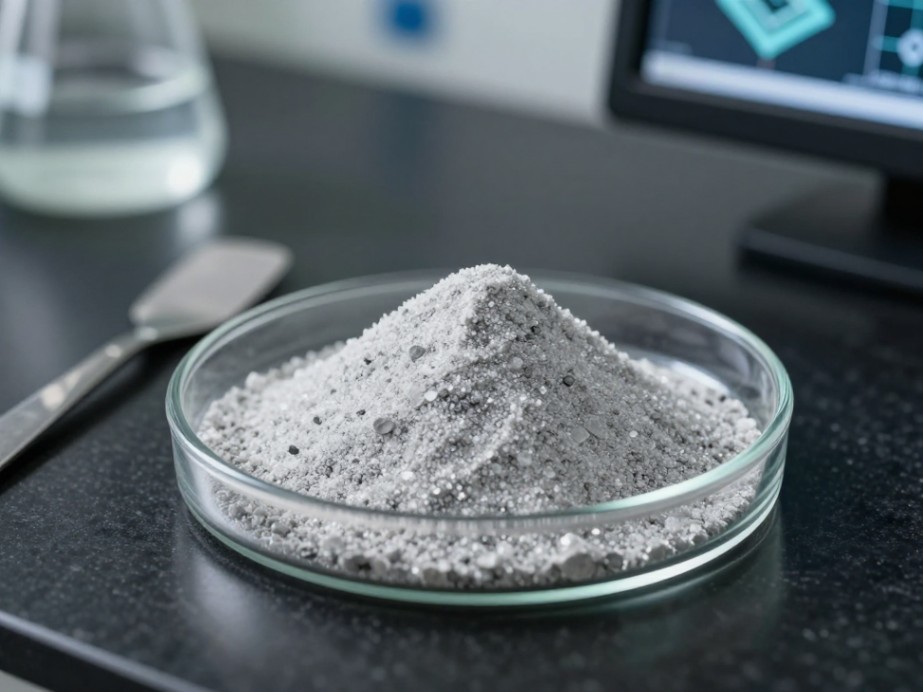
Semiconductor grade silicon carbide powder is the ultra-pure, synthetically engineered foundation for advanced electronics research. Think of it as the “lab-grown diamond” of the semiconductor world. It possesses the specific crystal structure, particle size, and extreme chemical purity required to build next-generation power devices, RF components, and quantum systems. This material is not the coarse, contaminated powder used for abrasives or steelmaking. For research, it’s the critical starting point for epitaxial growth, specialized coatings, and novel composite materials pushing the limits of temperature and efficiency.
Key Questions Researchers Ask About SiC Powder
What makes it ‘semiconductor grade’?
Purity defines the grade. We’re talking about total metallic impurity levels below 10 parts per million (ppm), often targeting single-digit ppm. Elements like iron, aluminum, and titanium are enemies. They introduce electronic defects that kill device performance. The crystal structure (polytype, like 4H or 6H) must also be controlled and consistent. Finally, particle size distribution is tight and predictable, typically in the submicron to low-micron range.
How is it different from regular SiC powder?
The difference is stark. Commercial ceramic or metallurgical grade SiC might be 98-99% pure-good enough for grinding wheels or refractories. Semiconductor grade exceeds 99.999% purity. It’s a matter of function: one is a bulk material for mechanical uses, the other is a precision electronic material where a few stray atoms can ruin an experiment.
Why is SiC a better semiconductor than silicon?
Silicon carbide operates where silicon fails. Its wide bandgap (roughly 3x that of silicon) allows devices to run at much higher voltages, temperatures, and frequencies with far lower energy losses. This makes it the leading material for electric vehicle power inverters, 5G infrastructure, and harsh-environment sensors. While gallium nitride (GaN) competes in high-frequency domains, SiC offers superior thermal conductivity and maturity in high-power applications.
How is high-purity SiC powder made?
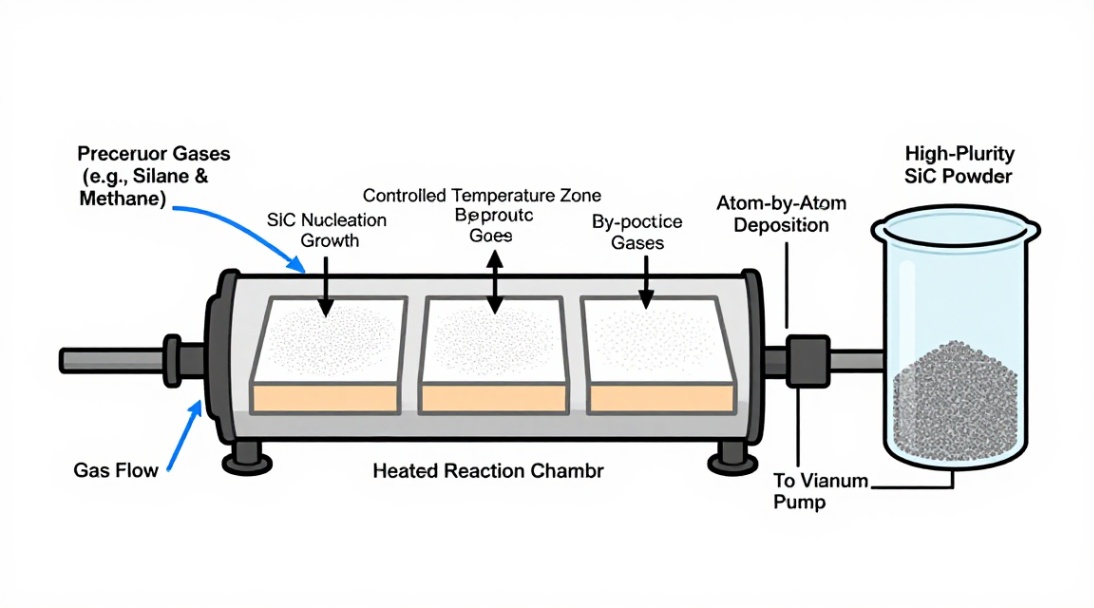
Researchers source powder from several advanced routes. The modified Acheson process can produce high-purity material, but advanced synthesis like Chemical Vapor Deposition (CVD) or proprietary gas-phase reactions are common for the best grades. CVD, for instance, builds the powder atom-by-atom, allowing exquisite control over purity and particle morphology. These methods are costly but non-negotiable for leading-edge work.
Critical Specifications for Your Research
When ordering, you must scrutinize the datasheet. Don’t just look at the purity percentage; demand a full elemental analysis report. Key parameters include:
- Polytype: 4H-SiC is standard for power devices, 3C-SiC is studied for growth on silicon substrates.
- Particle Size (D50, D90): Affects sintering behavior, slurry formulation, and surface area.
- Specific Surface Area (BET): Crucial for chemical reaction kinetics in composite processing.
- Oxygen Content: A hidden killer; high oxygen can form silicon dioxide layers that impede sintering or epitaxy.
Handling and Safety in the Lab
Treat this powder with respect. It is a fine particulate that can be a respiratory irritant. Always use a fume hood or glovebox for handling. Its pyrophoric nature means fine dust can ignite spontaneously in air. Store it under inert gas (argon, nitrogen) in sealed containers to prevent oxidation and moisture absorption, which degrade its surface properties.
The Future is Built on This Powder
This material enables frontier research. Teams are using it to develop ultra-high-temperature ceramic matrix composites (UHTCMCs) with novel ‘double continuous structures’ for aerospace. Others are exploring high-entropy ceramics, where mixing multiple elements in the SiC lattice creates unprecedented stability. In quantum technology, defects in the SiC crystal lattice itself are being manipulated as spin qubits. The supply chain is maturing, with specialized vendors offering research quantities in argon-filled glass vials or custom packaging. Your work in wide-bandgap semiconductors, photonics, or extreme-environment electronics likely starts with selecting the right semiconductor grade silicon carbide powder. Proper characterization and handling are the first, critical steps toward a breakthrough.
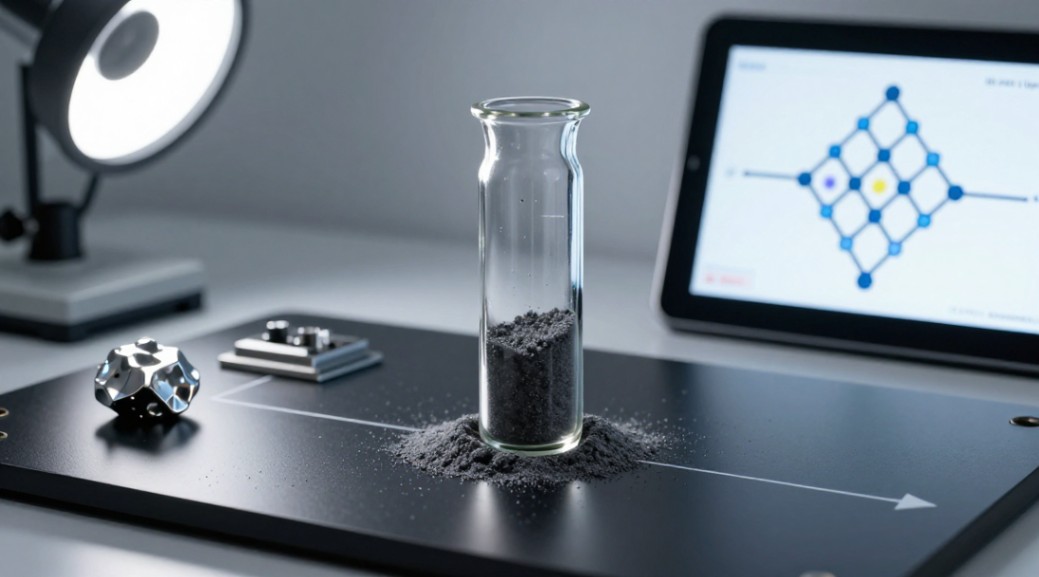
For researchers designing next-generation power modules or ceramic composites, starting with a powder that meets exacting semiconductor standards is non-negotiable. It eliminates a major variable in your process. Reputable suppliers provide the full traceability and data sheets you need to justify your material choice and ensure reproducible results, forming the reliable foundation your high-risk, high-reward research requires.
eduloc founded on October 17, 2012, is a high-tech enterprise committed to the research and development, production, processing, sales and technical services of ceramic relative materials such as What. Our products includes but not limited to Boron Carbide Ceramic Products, Boron Nitride Ceramic Products, Silicon Carbide Ceramic Products, Silicon Nitride Ceramic Products, Zirconium Dioxide Ceramic Products, etc. If you are interested, please feel free to contact us.
RELATED POSTS
Sodium sulfate decahydrate (Na2SO4•10H2O)- Crystalline
3d Printing Powder Preparation: Alumina Ball Grinding Precision New Standard
Biodegradable Packaging Materials For Zirconium Dioxide Balls Are Available
Indium Phosphide (InP)-Wafer
how to grind dragon balls in xenoverse 2