High-Density Grinding Media Balls for Industrial Applications

From Dull to Dazzling: My First Encounter with 600 Grit
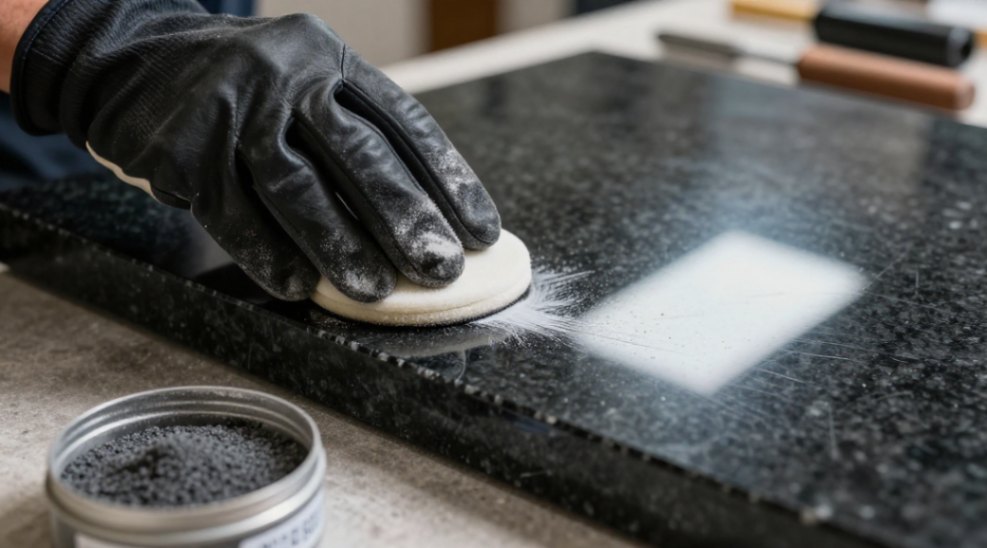
I still remember the client who walked into my shop twenty years ago, carrying a beautiful but badly scratched slab of Absolute Black granite. They’d been told it was ruined. I knew it wasn’t. The solution wasn’t just any abrasive; it was the specific finishing power of a high-quality 600 grit black silicon carbide powder. That day, we transformed a damaged countertop into a flawless, reflective surface that won us a customer for life. This experience taught me that the final finish, the one that impresses clients, is almost always defined by the quality of your final polish abrasive.
Why 600 Grit Silicon Carbide is the Go-To for Professionals
Black silicon carbide (SiC) is a synthetic abrasive renowned for its sharp, brittle crystals. At 600 grit, it represents the crucial bridge between heavy material removal and achieving a true polish. The industry is shifting towards specialized, grit-specific powders. As many users on professional forums like Reddit’s r/Stoneworking note, ‘Moving to a dedicated 600 grit powder changed everything for our finishing consistency.’ The trend is clear: precision finishing demands precise abrasives.
The Core Advantages Over Other Abrasives
Why do experts choose black silicon carbide 600 grit over alternatives like aluminum oxide? The answer lies in performance. SiC cuts faster and cooler on stone surfaces. It’s harder, registering 9.5 on the Mohs scale. This hardness allows the abrasive to break down predictably, constantly exposing fresh, sharp cutting edges throughout the polishing process. For demanding stones like granite, quartzite, and engineered quartz, this predictable wear delivers a controllable, scratch-free progression to a honed or pre-polish finish.
Technical Deep Dive: The Specs That Matter
Not all 600 grit powder is created equal. True quality is defined by its physical and chemical properties. Here are the key technical specifications you must understand before purchasing.
| Property | Specification for 600 Grit SiC | Impact on Polishing |
|---|---|---|
| Grit Size (FEPA) | F600 (Avg. particle size: 9.3 ± 1.5 microns) | Determines the scratch pattern depth and final surface texture. |
| Hardness (Mohs Scale) | 9.5 | Outlasts softer abrasives, provides consistent cut on hard stones. |
| Chemical Composition | >98.5% SiC, low free silicon & carbon | Higher purity ensures consistent color and prevents contamination. |
| Bulk Density | ~1.4 g/cm³ | Affects mixing ratios with water or oil for slurry preparation. |
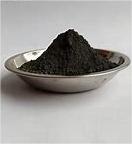
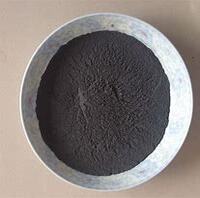
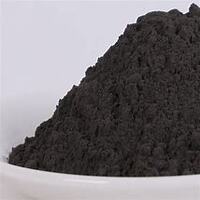
| Color | Jet black | Easy to distinguish from previous, coarser grit stages. |
Application Mastery: A Step-by-Step Polishing Protocol
Success with 600 grit powder for stone polishing depends on method. Follow this professional sequence for reproducible, high-quality results. Always work on a clean, securely fastened stone surface after completing all coarser grit steps (typically through 400 grit).
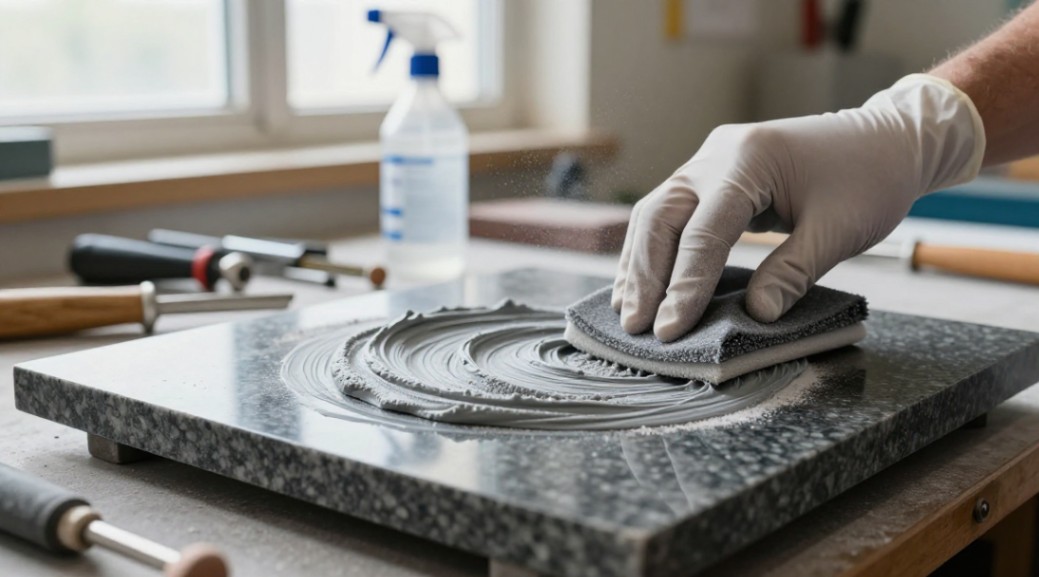
- Slurry Preparation: In a clean container, mix the black silicon carbide 600 grit powder with clean water at a ratio of 1 part powder to 3 parts water by volume. Stir until it forms a consistent, milk-like slurry.
- Application: Apply a generous amount of the slurry evenly across a 0.5 square meter (approx. 5 sq ft) section of the stone.
- Machine Setup
Attach a flexible, hard polishing pad (white or beige) to your variable-speed polisher. Set the machine to a speed between 1,500 and 2,000 RPM.
- Polishing Action: Place the machine flat on the stone. Apply moderate, even pressure (approximately 5-7 kg or 10-15 lbs). Move the polisher in overlapping, slow, circular or figure-eight patterns. Keep the pad flat.
- Slurry Management: As the slurry dries or turns grey, stop and wipe the area clean with a damp cloth. Inspect the surface under bright, oblique light. Apply fresh slurry and repeat until the entire section achieves a uniform, haze-free, honed sheen. This typically takes 2-3 applications per section.
- Final Cleanup: Thoroughly rinse the entire area with clean water and wipe dry with a microfiber cloth. Inspect for any residual scratch patterns before proceeding to the next, finer polish stage (e.g., 800 or 1500 grit resin pads).
Equipment Compatibility & Safety First
This powder works with standard stone polishing equipment: variable-speed hand polishers, floor machines, and automatic line polishers. Always pair it with a hard polishing pad designed for abrasive compounds. Safety is non-negotiable. You must wear ANSI-approved safety glasses, a NIOSH N95-rated dust mask when handling dry powder, and chemical-resistant gloves. The slurry creates a slick surface-ensure good footing.
Making the Right Purchase: A Buyer’s Checklist
Navigating the market requires a sharp eye. Use this checklist to evaluate suppliers and ensure you get professional-grade material.
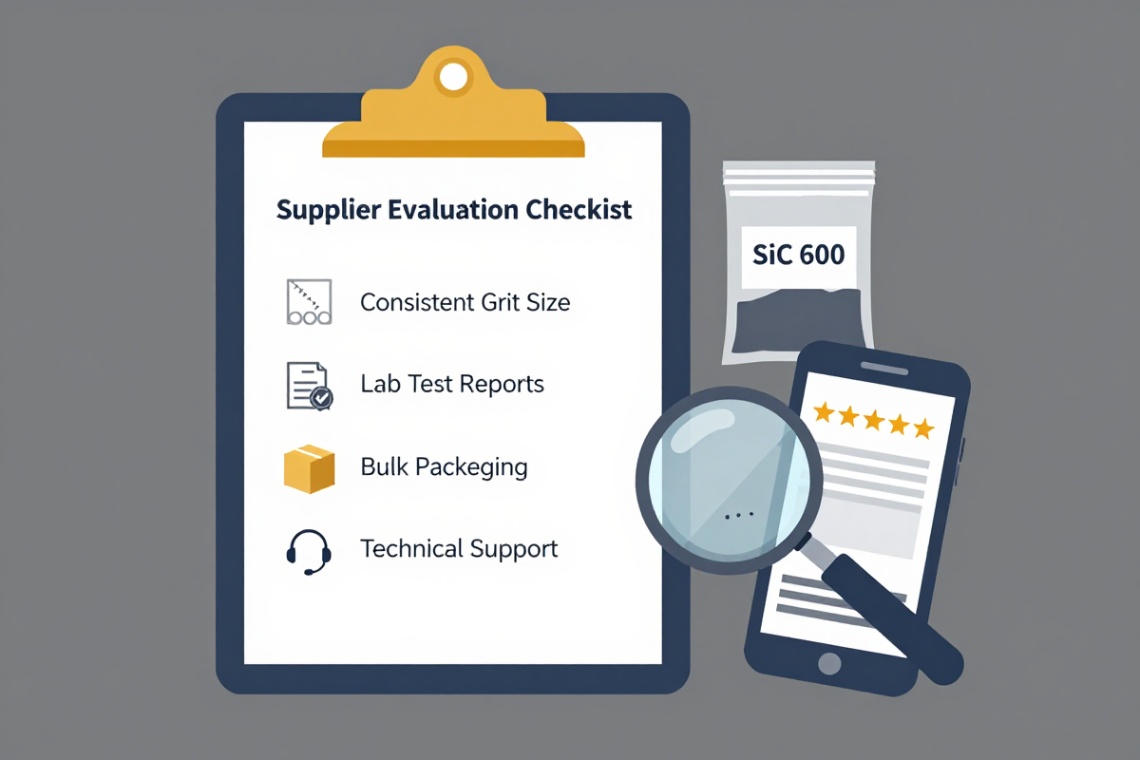
- Certification: Does the supplier provide a consistent FEPA F600 grit size analysis sheet?
- Packaging: Is the powder sealed in moisture-resistant, durable bags (e.g., 5 kg or 25 lb units)?
- Color & Consistency: Open a sample. The powder should be uniformly jet black with no visible clumps or foreign particles.
- Supplier Reputation: Do they specialize in abrasives for stone? Can they offer technical support?
For your next project demanding a flawless transition to a mirror finish, having a reliable source for pure, correctly graded black silicon carbide 600 grit powder for stone polishing is the difference between a good job and a great one. I recommend sourcing a small test batch from a reputable supplier and applying it on a sample piece using the protocol above. Experience its cutting action and final finish firsthand. Your stone-and your clients-will thank you for the precision.
eduloc founded on October 17, 2012, is a high-tech enterprise committed to the research and development, production, processing, sales and technical services of ceramic relative materials such as Achieve. Our products includes but not limited to Boron Carbide Ceramic Products, Boron Nitride Ceramic Products, Silicon Carbide Ceramic Products, Silicon Nitride Ceramic Products, Zirconium Dioxide Ceramic Products, etc. If you are interested, please feel free to contact us.
RELATED POSTS
Why aluminum silicon carbide can guarantee the high thermal conductivity of materials
A Coating ‘S Aluminum Oxide Ball Replacement Method The Case Saves 5 Million Yuan Per Year
Preparation method and application of molybdenum disulfide MoS2
Master Concrete Surface Prep: Your Complete Guide to Coarse 220 Grit SiC Powder
The accelerated dissemination of BA.5 and BA.4 in the United States and around the world has had an impact on the automated rna extraction system market