High-Density Grinding Media Balls for Industrial Applications

The Contractor’s Problem with Rough Concrete
We’ve all been there. The slab is poured and cured, but the surface is a mess. You see high spots, bug holes, ridges from the power trowel, or just a general roughness that looks amateur. You need to grind it flat. But standard diamond tooling feels slow or expensive for this initial stock removal. You need something aggressive, affordable, and predictable. That’s where our workhorse comes in.
Why Coarse 220 Grit SiC Powder Works
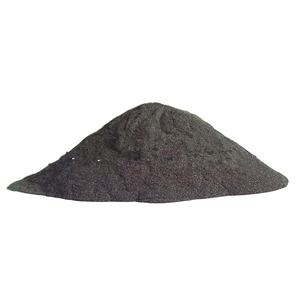
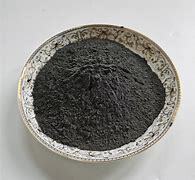
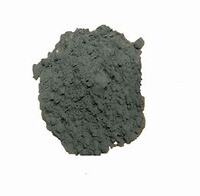
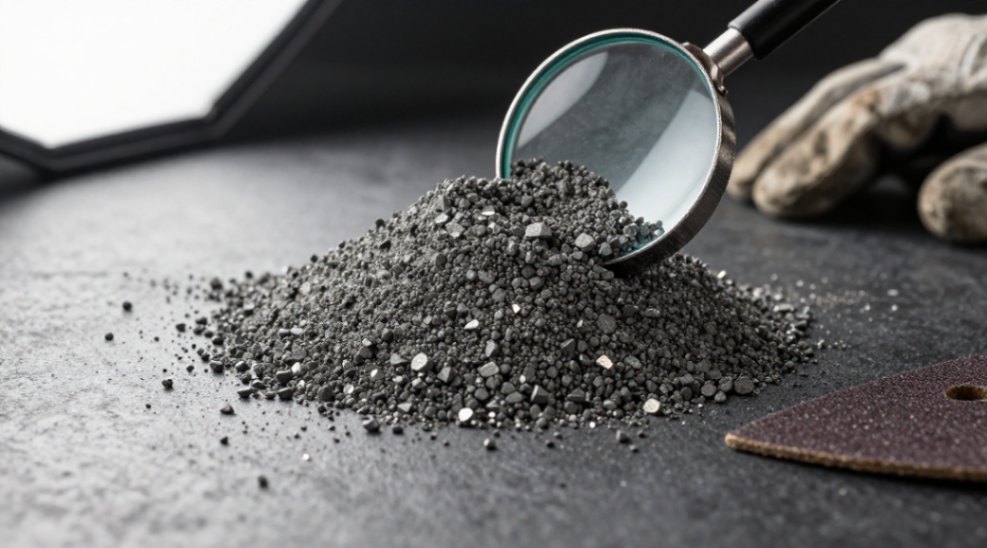
Silicon Carbide (SiC) is an extremely hard, sharp synthetic abrasive. Coarse 220 grit is a specific size. It’s not a fine polish. It’s a powerful cutting tool. Each particle acts like a tiny, hard chisel. For concrete grinding, this grit size provides the perfect balance of bite and control. It removes material quickly without gouging the surface like a much coarser grit might. It prepares the floor perfectly for the next steps in your finishing sequence. Think of it as the foundation of a great finish.
Key Advantages for Concrete
- Fast Cutting: It removes high spots and rough texture much faster than finer abrasives.
- Cost-Effective: SiC powder is significantly less expensive than diamond segments for initial leveling work.
- Predictable Wear: The particles fracture to reveal new sharp edges, giving you consistent cutting action throughout the job.
- Versatility: You can use it with various tools, from handheld grinders to floor machines.
Step-by-Step: How to Grind Concrete with 220 Grit SiC
This is a hands-on, slurry-based process. We do not use the powder dry. Here is the method we use in the field.
1. Gather Your Tools and Materials
- Coarse 220 grit SiC powder.
- A heavy-duty floor grinder or angle grinder with a grinding plate. For larger areas, a planetary grinder or single-disc machine is ideal.
- A spray bottle or garden pump sprayer filled with clean water.
- A mixing bucket and stir stick.
- A stiff-bristle push broom or squeegee.
- Personal Protective Equipment (PPE): Respirator (N95 minimum), safety goggles, hearing protection, and gloves.
2. Prepare the Surface and Mix the Slurry
Clean the floor of all debris. Lightly dampen the area you will start on with your sprayer. Do not flood it. In your bucket, mix the SiC powder with water to create a slurry with the consistency of thick paint or pancake batter. A typical starting ratio is about 1 part water to 3 parts powder by volume. You want it wet enough to spread easily but thick enough to stay under the tool.
3. Apply and Grind
- Spread a controlled amount of your mixed slurry onto the concrete. Cover an area about 2 feet by 2 feet to start.
- Start your grinder and lower it onto the slurry. Use a slow, overlapping pattern. The weight of the machine and the abrasive action of the slurry do the work.
- Keep the area wet. As you grind, the slurry will turn grey with concrete dust and begin to dry out. Use your sprayer to mist on more water as needed to maintain a workable paste.
- Grind until the surface feels uniformly flat to the touch in that section. You will hear and feel the cutting action change as you level the high spots.
4. Remove the Spent Slurry and Inspect
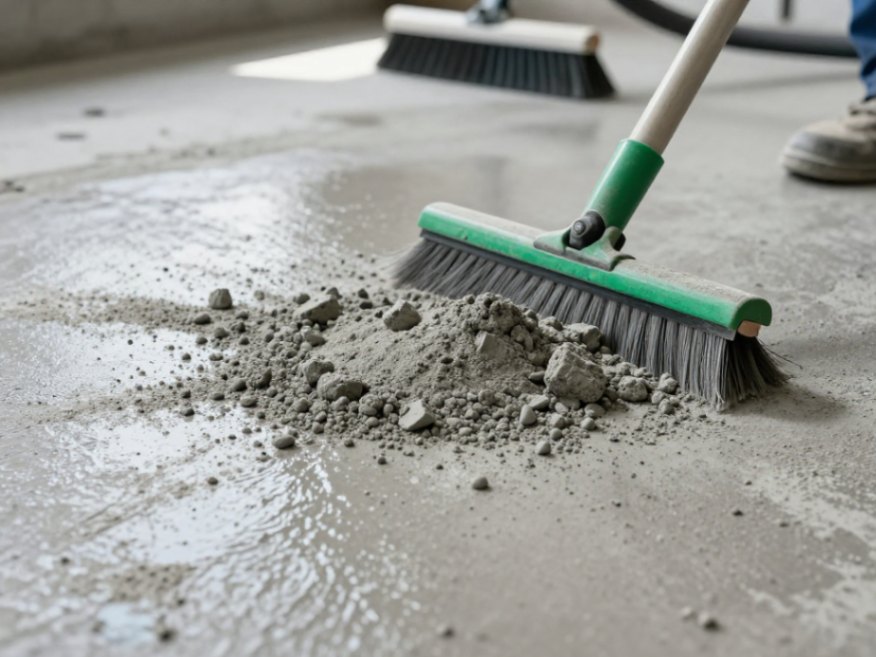
Use your broom or squeegee to push the now-dirty slurry into a pile for disposal. Do not let it dry on the floor. Vacuum or collect it. Inspect the ground area. You should see a consistent, matte finish with all major imperfections removed. This is your new starting point.
5. Repeat and Progress
Move to the next adjacent section, overlapping your grind pattern by about 50%. Repeat the process of applying slurry, grinding, and cleaning across the entire floor. Once the entire floor is uniformly ground with 220 grit, you are ready to move to the next, finer grit in your sequence to refine the scratch pattern.
Pro Tips and Critical Safety Notes
Performance and Finish
- Pressure is Key: Let the tool’s weight provide the pressure. Pushing too hard can stall the machine and create an uneven finish.
- Keep it Wet: A drying slurry loses cutting efficiency and creates excessive, hazardous dust. Water control is everything.
- This is a Prep Step: The 220 grit finish will still be visibly scratched. Do not expect a polish. Its job is to create a flat, uniform canvas for subsequent finer grits (like 400, 800, etc.).
Safety and Handling
- Respirator is Non-Negotiable: SiC and concrete dust are serious respiratory hazards. Wear your mask.
- Contain the Slurry: The waste slurry contains fine silica. Do not wash it down drains. Collect it, let it dry in a contained area, and dispose of it as solid construction waste according to local regulations.
- Protect Your Skin and Eyes: The slurry is abrasive and can irritate skin. Goggles prevent splash-back.
Selecting Your 220 Grit SiC Powder
Not all abrasive powders are equal. Look for a product specifically graded for coarse concrete grinding. The particles should be consistently sized and sharp. Avoid “bargain” powders that may contain fillers or inconsistent grit; they will cut slower and leave a poorer finish. A reliable supplier who understands contractor needs is worth their weight in gold.
Expected Outcome and Next Steps
When you complete this step correctly, you will have a floor that is fundamentally flat and smooth to the touch. All major profiling work is done. The surface will have a uniform 220-grit scratch pattern. From here, your next step is to resurface this scratch pattern with a finer abrasive, such as a 400 or 500 grit SiC powder or resin-bond diamond pads, to begin developing the sheen and final polish you desire. You’ve done the hard work. The rest is refinement.
eduloc founded on October 17, 2012, is a high-tech enterprise committed to the research and development, production, processing, sales and technical services of ceramic relative materials such as Coarse. Our products includes but not limited to Boron Carbide Ceramic Products, Boron Nitride Ceramic Products, Silicon Carbide Ceramic Products, Silicon Nitride Ceramic Products, Zirconium Dioxide Ceramic Products, etc. If you are interested, please feel free to contact us.