High-Density Grinding Media Balls for Industrial Applications

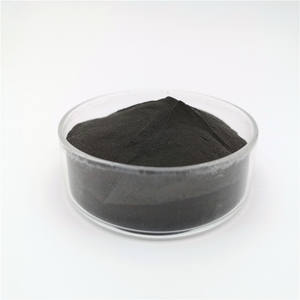
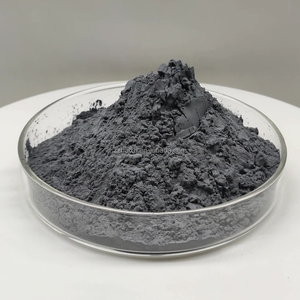
Have you ever spent hours working a stone slab, only to end up with an inconsistent, cloudy finish that just won’t shine? You followed the grit progression, used fresh water, but the result feels like a step backward. This isn’t just frustrating-it wastes time and material. Many of us in stone shops and fabrication yards have been there. The culprit is often the abrasive itself, specifically the mid-range grits that bridge the gap between rough grinding and final polishing. That’s where the choice becomes critical. Let’s talk about the workhorse that sits on our benches more often than not: black silicon carbide 600 grit powder.
The Unseen Engine of a Perfect Polish
Black silicon carbide (SiC) isn’t just another abrasive. We create it in intense furnaces, fusing silica sand and petroleum coke. This process yields crystals with a unique combination of hardness and friability. Hardness means it cuts aggressively. Friability means the grains constantly fracture during use, revealing new, sharp cutting edges. This self-sharpening action is the secret. Compared to aluminium oxide, SiC is harder and sharper. Compared to green silicon carbide, its more common cousin, black SiC is slightly tougher and less brittle, offering a fantastic balance of cut rate and durability for stone. At 600 grit, we’re dealing with a particle size averaging around 9.3 microns. This is a crucial transitional grit. It’s fine enough to remove the visible scratches from your previous 400 or 500 grit step, yet aggressive enough to establish the uniform surface needed for the final polish. Your 800, 1500, and 3000 grit polishing resins can’t do their job if the 600-grit stage leaves behind deep, erratic scratches or fails to level the surface.
600 Grit SiC in Action: The Granite and Marble Test
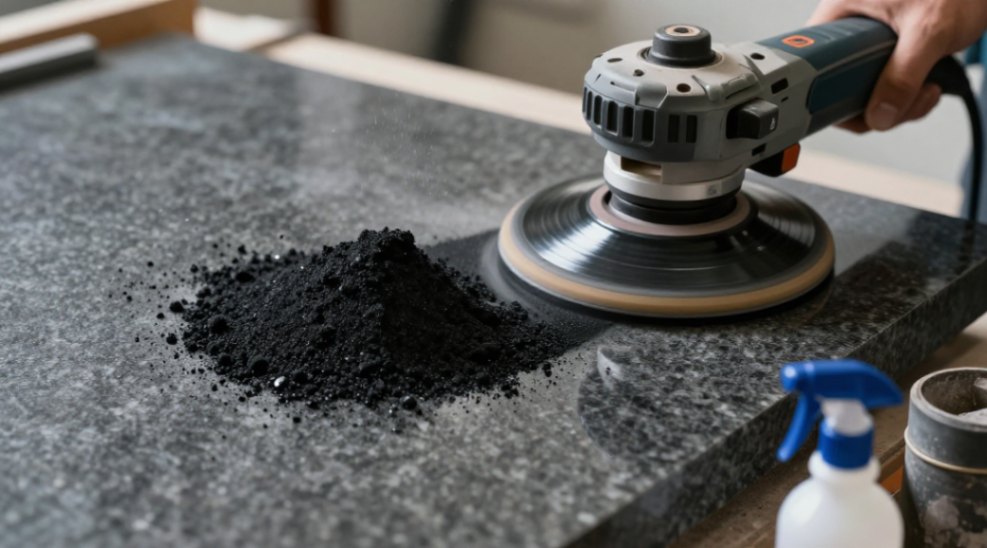
For polishing granite, quartzite, and engineered stone, 600 grit black SiC powder is a powerhouse. Its sharp, hard grains bite into the hard quartz and feldspar crystals efficiently. We typically mix it with water into a slurry and apply it with a felt pad or a dedicated resin polishing pad. The cutting action is fast and cool, preventing heat-induced “ghosting” or discoloration on sensitive stones. The result is a clean, honed or pre-polish finish that looks uniformly matte under light. For softer marbles and limestones, the story shifts. The extreme hardness can be a double-edged sword. While it cuts quickly, there’s a higher risk of creating finer, harder-to-remove scratches if you’re not meticulous with lubrication and pressure. Many fabricators working exclusively with soft stone might opt for a specialized aluminum oxide compound at this stage for a slightly gentler cut. However, for mixed-material shops or those dealing with tough granites, the consistency and speed of 600 grit SiC are hard to beat.
The Practical Comparison: Making the Right Choice
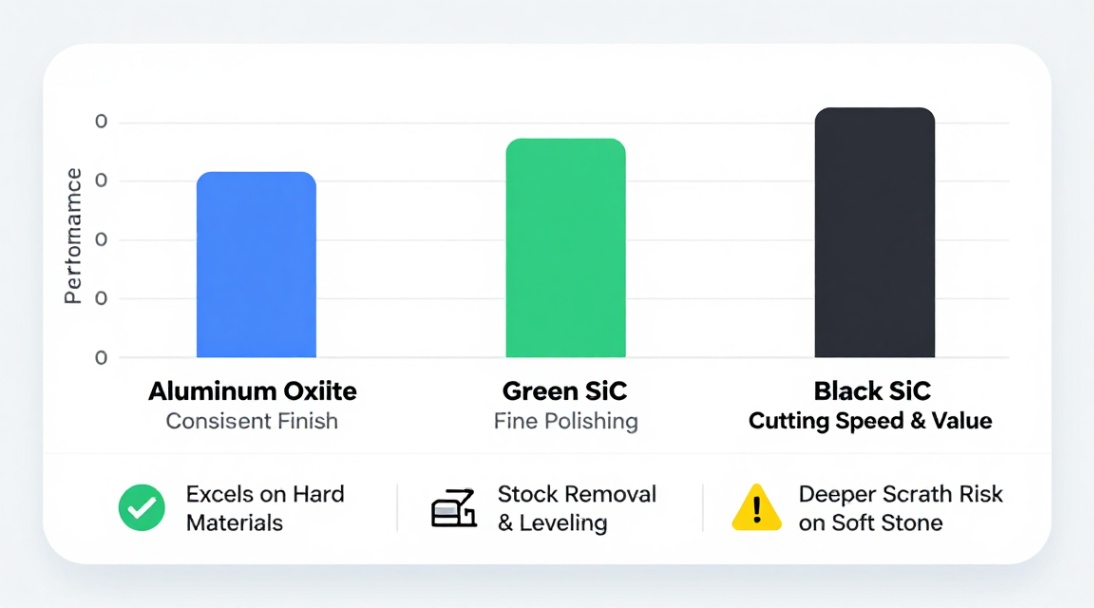
Let’s lay out the facts. You’re deciding between a 600 grit aluminum oxide powder, a green silicon carbide powder, and our focus, black silicon carbide. The choice isn’t about which is universally ‘best,’ but which is best for your specific stone and desired outcome. Think of it as selecting a tool, not declaring a winner. Black silicon carbide 600 grit powder excels in cutting speed and overall value on hard materials. It’s the go-to for removing stock and levelling surfaces before the polish. Its primary drawback is the potential for deeper scratching on soft stone if not used correctly, and it generates a dark slurry that requires thorough cleanup. Aluminum oxide is softer. It wears down rather than fractures, which can lead to glazing and slower cutting on granite, but it provides a gentler, more forgiving scratch pattern on marble. Green silicon carbide is purer and sharper than black, making it the premium choice for final finishing on hard alloys or gemstones, but its higher cost and increased brittleness make it less economical for the heavy intermediate work on stone. For the vast majority of general stone polishing tasks-especially on granite-the balance tips toward black SiC.
Working With It: A Veteran’s Notes
Handling any fine abrasive powder demands respect. We never dry-sand with it. Always use ample water, not just for lubrication and cooling, but for dust suppression. Silicon carbide dust is a respiratory irritant. Wear a proper NIOSH-rated dust mask or use a vacuum system. Store your powder in a sealed, dry container. Moisture clumps the grains, ruining its free-flowing property and making consistent slurry mixing impossible. When applying the slurry, use a consistent, moderate pressure. Let the abrasive do the work. Rushing and bearing down hard will only generate heat and embed deeper scratches, forcing you to go back a grit step. The goal with 600 grit is to create a uniform, satin finish. Hold the slab under a bright, raking light. If you see no deep shadows from previous grit scratches and the surface looks evenly dull, you’re ready to move up to your next polishing step.
So, where does this leave us? If your daily work involves bringing a consistent, deep shine to granite, quartzite, or other hard surfaces, having a reliable container of 600 grit black silicon carbide powder on your shelf is non-negotiable. It’s the foundational step that your final polish relies upon. For those specializing in delicate marbles, it’s wise to test a small area first. The efficiency it offers on hard stone is compelling, but the technique must be perfect. Your next step is simple. Look at the stone on your bench right now. If it’s a hard material that needs a reliable, cost-effective path from grind to gloss, the choice is clear. Start with a small batch of quality 600 grit black SiC, mix it well, and let the sharp, fracturing crystals do what they do best. You’ll feel the difference in the smoothness of the cut, and you’ll see the difference in the quality of the foundation you’ve laid for that final, mirror-like finish.
eduloc founded on October 17, 2012, is a high-tech enterprise committed to the research and development, production, processing, sales and technical services of ceramic relative materials such as The. Our products includes but not limited to Boron Carbide Ceramic Products, Boron Nitride Ceramic Products, Silicon Carbide Ceramic Products, Silicon Nitride Ceramic Products, Zirconium Dioxide Ceramic Products, etc. If you are interested, please feel free to contact us.
RELATED POSTS
The Application Of Zirconium Dioxide Balls In The Medical Field Has Increased By 30% Year-On-Year
Magnesium Plumbide (Magnesium Lead) (Mg2Pb)-Granules
Neodymium Titanate (Neodymium Titanium Oxide) (Nd2Ti2O7)-Powder

Antimony Arsenide (Sb3As)-Boat
Silicon Carbide Nanoparticles for Polymer Composites: A Comparison & Decision Guide