High-Density Grinding Media Balls for Industrial Applications

Introduction: Why Your Current Granite Finish Falls Short
You’ve shaped and polished your granite slab for hours. The edges are crisp, the surface looks smooth. But then you see them under the light: faint, swirling scratches. The polish lacks that deep, liquid shine you envisioned. The problem isn’t your skill. The problem is likely the abrasive. Are you using the right powder? Let’s fix that.

Your Silicon Carbide Lapping Powder Questions, Answered
Think of this as your personal FAQ for flawless granite. We’ll cut through the noise with clear, logical answers.
What is silicon carbide powder for granite lapping?
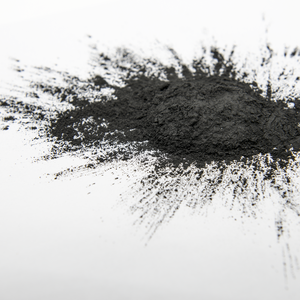
Silicon carbide is a synthetic mineral sharper than sand or aluminium oxide. For granite, you use it as a loose abrasive powder. You mix it with water to form a slurry. This slurry acts like millions of microscopic, hard chisels. They uniformly grind the granite surface to remove scratches, level seams, or create a honed finish. It’s the workhorse for controlled, precise stock removal.
Why is silicon carbide better than other abrasives for granite?
Logic dictates the choice. Diamond abrasives are expensive and often overkill for intermediate steps. Aluminium oxide is softer and wears too quickly on hard granite. Silicon carbide strikes the perfect balance. Its extreme hardness cuts granite efficiently. Its friability allows grains to fracture, creating new sharp edges. This self-sharpening action maintains a consistent cut rate. You get predictable results without the high cost of diamond.
What are the key grit sizes for lapping granite slabs?
You must progress through grits. Jumping steps is the most common mistake. Follow this sequence.
- Coarse Grits (60 to 120): This is your repair stage. Use 60 or 80 grit for significant leveling, deep scratch removal, or fixing chipped edges. It removes material quickly.
- Medium Grits (200 to 400): This stage refines the surface. It removes the scratches left by the coarse grit. 400 grit prepares the stone for final polishing.
- Fine Grits (800 to 1500+): This stage creates the final surface texture. For a honed, matte finish, stop at 400 or 800. For a semi-polish, proceed to 1500. The powder here is for refinement, not removal.
How do I mix and use the powder correctly?
Precision matters. Haphazard mixing leads to inconsistent slurry and poor results.

- Prepare the Surface: Ensure the granite is clean, dry, and secured.
- Measure the Powder: For a 1 square foot area, start with 2-3 tablespoons of silicon carbide powder.
- Create the Slurry: Use a clean spray bottle to mist the granite with water. Sprinkle the powder evenly over the damp surface. Add more water or powder to achieve a creamy, toothpaste-like consistency.
- Lap the Surface: Use a flat lapping plate (glass, granite tile, or cast iron). Apply even pressure and use a figure-8 motion over the entire area. Keep the slurry wet. Add water with your spray bottle as it dries.
- Clean and Inspect: Rinse the slab thoroughly with water after each grit. You must remove all abrasive from the previous stage before moving to the next, finer grit.
What are the critical safety rules?
Silicon carbide powder creates fine dust when dry. Always wear a NIOSH-rated N95 respirator and safety goggles. Wear gloves to protect your hands. Work in a well-ventilated area or use dust extraction. Wet processing, as described, drastically reduces airborne dust.
How do I choose the best powder for my job?
Two factors determine quality: grit uniformity and particle shape. Cheap powders have inconsistent grit sizes. This causes larger grains to create deep scratches you then must remove. Premium powders have tightly graded, uniform particles. They also have blocky, angular shapes that cut better than rounded grains. This consistency saves you time and material.
For most professional shops, a high-quality silicon carbide powder from a trusted supplier offers the best value. The predictable results and efficient cutting speed outweigh the slightly higher initial cost versus generic alternatives.
The Final Polish: From Knowledge to Perfect Stone
Mastering granite lapping means respecting the process. Start with the correct coarse grit for your repair. Progress methodically through each stage. Use consistent, high-quality powder. Clean meticulously between steps. The final reveal of a scratch-free, perfectly leveled, or beautifully honed granite surface is your reward. It transforms a stubborn slab into a masterpiece of craftsmanship.

Your next step is to apply this logic. Assess your current project. Do you need to remove deep scratches? Start with 80 grit. Are you refining a surface for a honed look? Your kit should include 200, 400, and 800 grit powders. Source a reputable brand known for uniform grading. Then, mix your first slurry and feel the difference a purpose-built abrasive makes.
eduloc founded on October 17, 2012, is a high-tech enterprise committed to the research and development, production, processing, sales and technical services of ceramic relative materials such as Achieve. Our products includes but not limited to Boron Carbide Ceramic Products, Boron Nitride Ceramic Products, Silicon Carbide Ceramic Products, Silicon Nitride Ceramic Products, Zirconium Dioxide Ceramic Products, etc. If you are interested, please feel free to contact us.
RELATED POSTS
Zinc Bromide hydrate (ZnBr2*xH2O)-Crystalline

Atomized Aluminum Zinc Alloy (AlZn(80:20))-Powder
Tellurium (II) Chloride (TeCl2)-Powder
Smart Grinding Balls: Built-In Sensors Monitor Wear In Real Time
Lithium Hydroxide Monohydrate (LiOH*H2O)-Powder