High-Density Grinding Media Balls for Industrial Applications

Green Silicon Carbide: The Ultimate Choice for Sharp Edges
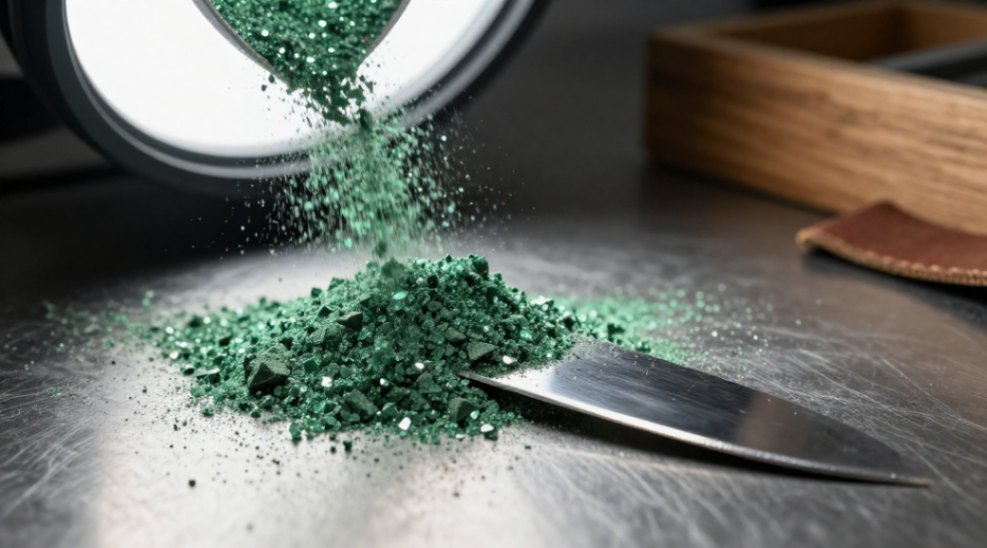
For honing tools and blades to a razor finish, green silicon carbide powder is the superior abrasive. Its unique combination of hardness, sharpness, and friability makes it unmatched for precision sharpening. This guide provides a direct comparison to help you make the right choice.
The Core Advantages of Green Silicon Carbide
Green silicon carbide outperforms common alternatives like aluminium oxide. Its properties create a distinct honing experience.
- Unmatched Hardness & Sharpness: It is significantly harder than aluminum oxide. This allows it to cut hardened tool steels and alloys that other abrasives struggle with.
- Self-Sharpening Friability: The grains fracture into smaller, sharper pieces under pressure. This maintains a consistently sharp cutting surface throughout the stone’s life.
- Crisp, Clean Cutting Action: It removes metal in precise, small chips rather than generating excessive heat. This preserves the temper of your blade.
- Ideal for Hard Materials: Its performance excels on high-speed steels, carbide-tipped tools, and fine-edged instruments.
Critical Factors: Grit Size and Binder Selection
Choosing the correct grit and binder determines your honing success.
Grit Size Guide
- Coarse Grits (80 – 220): Use for rapid stock removal, repairing nicks, or establishing a new bevel. Fast cutting, leaves a rough surface.
- Medium Grits (320 – 800): The workhorse range. Perfect for refining the edge after coarse work and removing previous scratch patterns.
- Fine & Ultra-Fine Grits (1000+): Essential for final polishing and achieving a mirror finish or razor’s edge. Creates minimal burr.
Binder Comparison
The material holding the abrasive grains together is crucial.
- Vitrified (Ceramic) Bonds: Most common. They are porous, retain coolant well, and wear slowly for consistent performance. Best for general honing.
- Resin Bonds: Softer and more forgiving. They resist loading better when honing softer metals. They wear faster, which can aid in slurry formation.
- Metal Bonds: Extremely durable. Used for specialized honing stones where long life is critical, often with diamond or CBN.
Head-to-Head: Green Silicon Carbide vs. Other Abrasives
Understanding its place in the abrasive hierarchy is key to decision-making.
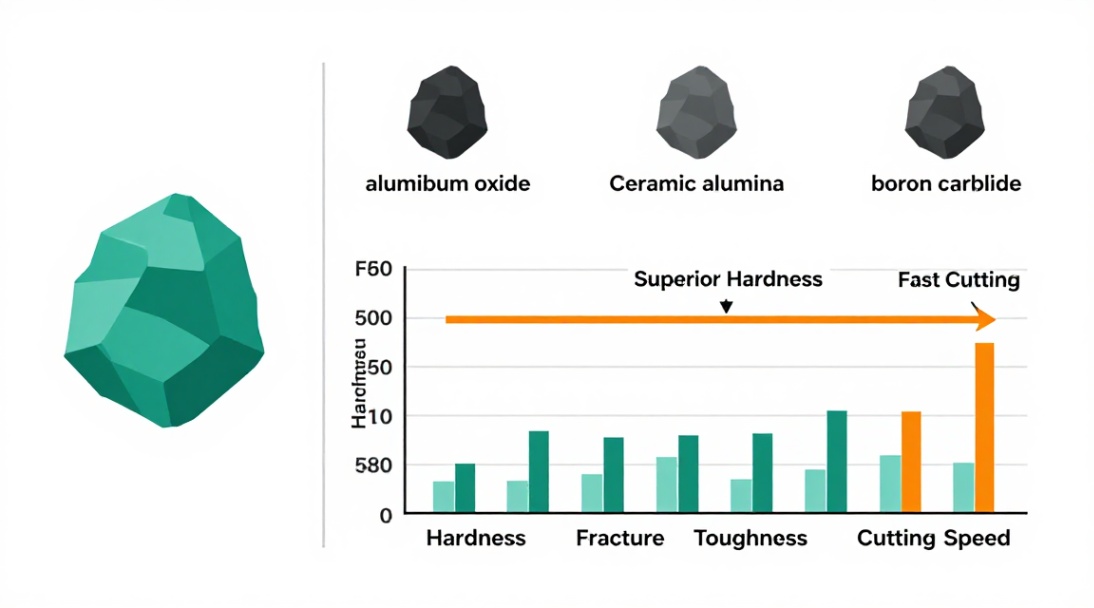
- vs. Aluminum Oxide (Standard Brown): Green SiC is harder and sharper. It cuts faster and works on harder materials. Aluminum oxide is tougher and more economical for general-purpose sharpening of softer steels.
- vs. White Aluminum Oxide: White is purer and slightly sharper than brown alumina but still softer than SiC. It’s a good mid-point for fine finishes on non-hardened steel.
- vs. Diamond Powder: Diamond is the hardest. It is the only choice for honing tungsten carbide or ceramic. However, it is expensive and can be overly aggressive on steel, potentially creating a jagged micro-edge. Green SiC provides a smoother, more polished cut on hardened steel.
- vs. Cubic Boron Nitride (CBN): CBN is second only to diamond in hardness. It excels on high-speed steels and hard tool steels, offering exceptional life. Green SiC is the more cost-effective option for achieving similar fine finishes on many tool steels.
Optimizing Your Honing Process
Technique matters as much as the abrasive.
- Use a Lubricant: Always hone with oil or water. This floats away swarf (metal particles), prevents loading, and reduces heat.
- Let the Stone Do the Work: Apply minimal pressure. Excessive force fractures grains prematurely and can roll the edge.
- Maintain a Consistent Angle: Use a honing guide for repeatability, especially when learning.
- Clean Your Stone: Regularly scrub the surface with a stiff brush and solvent to remove embedded metal and maintain cutting speed.
Safety and Handling for Fine Powder
Green silicon carbide powder is a respiratory hazard in its loose form.
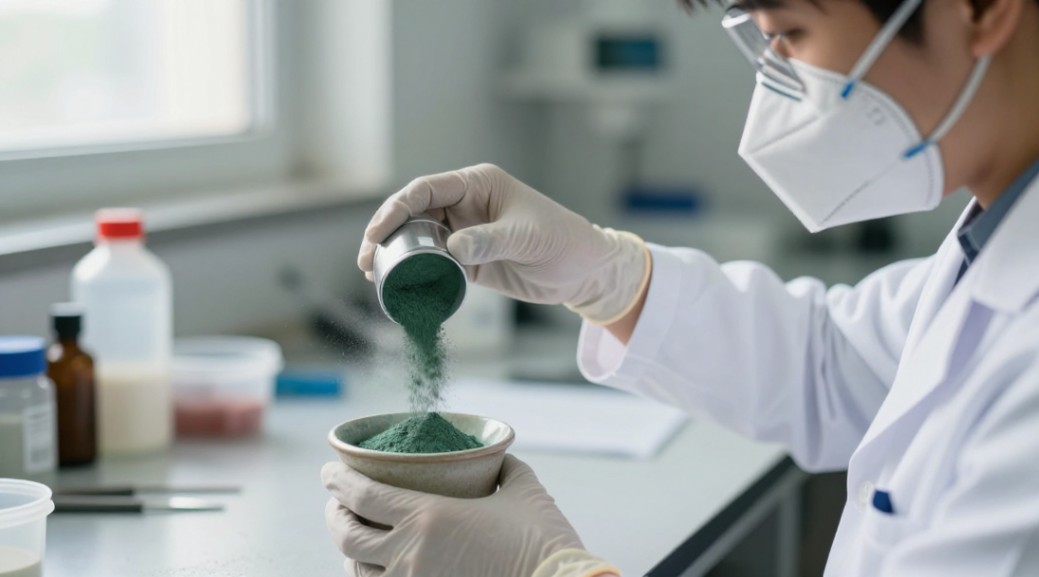
- Always wear an NIOSH-approved particulate respirator (N95 or better) when handling loose powder.
- Work in a well-ventilated area or use local exhaust ventilation.
- Wear safety glasses and gloves. The particles are sharp and can irritate skin.
- Store powders in sealed, labeled containers away from moisture.
Making Your Decision: Which Honing Stone is Right?
Your choice depends on your primary task. For the majority of precision tool honing, a medium-grit green silicon carbide stone is the most effective starting point. Its sharp, friable grains deliver a controlled, polished edge on hardened steels that other common abrasives cannot match. For the ultimate sharpness on exotic alloys or carbide, you may later invest in diamond or CBN stones. Begin with green silicon carbide. Its performance-to-cost ratio for achieving a razor finish is unbeatable. A properly selected honing stone using this abrasive will become your most trusted tool for maintaining perfect edges.
eduloc founded on October 17, 2012, is a high-tech enterprise committed to the research and development, production, processing, sales and technical services of ceramic relative materials such as Green. Our products includes but not limited to Boron Carbide Ceramic Products, Boron Nitride Ceramic Products, Silicon Carbide Ceramic Products, Silicon Nitride Ceramic Products, Zirconium Dioxide Ceramic Products, etc. If you are interested, please feel free to contact us.
RELATED POSTS
Introduction to silicon-aluminum alloy additive Additives
Introduction-to-explosive-composites-explosive-composites-clad-V280
Zirconium carbonate (ZrO2)2•CO2•xH2O)Powder
Let’s talk about the importance of silicon nitride (SiNx) in chips lpcvd silicon nitride
What are the main materials of lithium batteries?