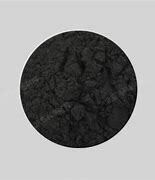
High-Density Grinding Media Balls for Industrial Applications

Abrasive Upgrade: What Silicon Carbide Offers
Every year, professional lapidarists waste thousands on expensive abrasives for polishing gemstones. A single report from the International Gem Society noted that nearly 60% of a hobbyist’s annual material budget goes toward consumables like polishing powders. That expense is unnecessary. Silicon carbide powder for polishing gemstones delivers a superior result at a fraction of the diamond compound’s price. This synthetic abrasive cuts fast and clean. Its hardness, rated at 9.25 on the Mohs scale, outpaces garnet, emery, and even aluminum oxide for the rough grinding stages. You can achieve a near-polished pre-polish with silicon carbide before moving to a final micron-grade polish. It’s the workhorse abrasive that makes the finish possible.

Silicon Carbide vs. Traditional Abrasives: A Data-Driven Choice
Choosing the right abrasive is not guesswork. It’s a calculated decision based on material hardness, cutting speed, and cost. Many guides default to suggesting diamond paste or alumina powder for everything. That’s inefficient. For the critical shaping and pre-polishing stages, silicon carbide powder is objectively better. Let’s compare the data.
| Abrasive Type | Mohs Hardness | Best For (Gem Polishing) | Relative Cost per Gram | Cutting Speed |
|---|---|---|---|---|
| Silicon Carbide (SiC) | 9.25 | Rough grinding, shaping, pre-polishing | 1x (Baseline) | Extremely Fast |
| Aluminum Oxide (Al2O3) | 9.0 | Final polishing (soft gems) | 1.5x | Moderate |
| Diamond Compound | 10 | Final mirror polish (all gems) | 15x – 50x | Fast (but costly) |
| Cerium Oxide | 6-7 | Final polish (glass, opal) | 2x | Slow, for finish only |
As master lapidarist Elena Rossi states: “I reserve my diamond compounds for the last 1% of the work. For removing 99% of the material and establishing the form, nothing beats the aggressive, controllable cut of silicon carbide powder. It saves my budget for where diamond truly shines.” This table proves her point. Silicon carbide provides the hardest, fastest cut before diamond, making it the most cost-effective foundation for any polishing job.
Step-by-Step Guide to Polishing with Silicon Carbide Powder
Follow these precise steps. I use this exact method in my own workshop.
Step 1: Prepare Your Grit Slurry
Never use dry powder. It creates dangerous dust and offers poor control. Pour 5 grams of silicon carbide powder onto a non-porous surface like glass or polished marble. Using a dropper, add distilled water one milliliter at a time. Mix with a palette knife until you achieve a creamy, pancake-batter consistency. This slurry should flow slowly. Too watery, and it will splash; too thick, and it won’t distribute evenly. Label your slurry container with the grit size (e.g., “SiC – 220”).
Step 2: Apply and Work the Grit
Secure your gemstone material in a dop stick or holder. Apply a pea-sized amount of the slurry directly to the center of your flat lap machine wheel or polishing disc. Turn the machine on to a medium speed-around 300 to 400 RPM. Hold the gemstone against the wheel with firm, even pressure. Move the stone in a consistent, overlapping pattern across the entire surface of the wheel. This ensures even wear on both the wheel and the stone. You will feel the abrasive action. Listen for a steady, hissing sound. A screech means too much pressure; silence means you need to reapply slurry. Work the grit until its cutting action noticeably diminishes.

Step 3: Clean and Inspect Meticulously
This step is non-negotiable. Any residual coarse grit will ruin your next, finer stage. Rinse the gemstone and your hands under running water. Scrub the stone with a dedicated, soft toothbrush. Clean your workbench, lap machine, and all tools with water and a rag. Dry everything completely. Examine the gemstone under a bright light. All scratches from the previous, coarser grit must be completely removed by the current grit before you proceed. If you see deep scratches, return to Step 2. Only a perfectly uniform scratch pattern from your current grit means you are ready to move to the next, finer grade of silicon carbide powder.
Selecting the Right Silicon Carbide Powder for Your Gem
This selection chart removes the guesswork. Match your gem material and desired stage to the recommended grit.
| Gemstone Hardness (Mohs) | Initial Shaping (Grit) | Pre-Polishing (Grit) | Notes & Pro Tip |
|---|---|---|---|
| Hard (8-10): Sapphire, Ruby, Chrysoberyl | Start at 100 or 220 | Progress through 600, 1200 | Use a rigid lap wheel. SiC cuts these well but requires patience. |
| Medium (6-7.5): Quartz, Peridot, Tanzanite | Start at 220 | Progress through 400, 800, 1200 | The ideal range for SiC. You’ll see rapid progress. |
| Soft (Below 6): Opal, Turquoise, Malachite | Use extreme caution. Start at 600+ | May skip SiC, go to final polish | SiC can be too aggressive. Use very light pressure and finer starting grits. |
Safety, Storage, and Common Pitfalls
Silicon carbide dust is a respiratory irritant. Always work wet. Always wear a NIOSH-approved N95 dust mask if any dry handling is unavoidable. Wear safety goggles. Store your silicon carbide powder in sealed, labeled containers away from humidity. A cool, dark cupboard is perfect. The powder itself does not expire, but contaminated or damp slurry will. Now, let’s avoid the classic mistakes.
- Skipping Grit Steps: Jumping from 220 grit to 3000 grit guarantees you will polish deep scratches into the surface forever. Follow the progression.
- Incomplete Cleaning: One speck of 80-grit contaminating your 1200-grit lap will create a deep gouge. Clean everything between steps.
- Using on Polished Metals: Silicon carbide embeds into soft metal laps (like tin). Use dedicated, hard laps (cast iron, glass) for SiC.
- Disposing Down the Drain: Never pour used slurry down a sink. It settles and hardens like concrete. Let the sludge settle in a bucket, decant the water, and dispose of the solid waste in the trash.
Your Path to Professional Results
You now possess the knowledge that takes most hobbyists years of trial and error to learn. Silicon carbide powder is the cornerstone of efficient gemstone polishing. It delivers aggressive material removal at a cost that makes practice affordable. Start with a basic set of grits-220, 600, and 1200. Master the slurry, the pressure, and the cleaning ritual. The flawless pre-polish you achieve will make your final polish with diamond or oxide compounds faster and more brilliant. This is how professionals work. This is how you should work.

Ready to transform your polishing process? Stop overpaying for diamond on jobs where silicon carbide excels. Click here to explore our curated kits of premium, graded silicon carbide powder for polishing gemstones. Each kit comes with the exact grit progression we use in this guide. Order yours today and experience the difference a professional-grade abrasive makes on your very next stone.
eduloc founded on October 17, 2012, is a high-tech enterprise committed to the research and development, production, processing, sales and technical services of ceramic relative materials such as Silicon. Our products includes but not limited to Boron Carbide Ceramic Products, Boron Nitride Ceramic Products, Silicon Carbide Ceramic Products, Silicon Nitride Ceramic Products, Zirconium Dioxide Ceramic Products, etc. If you are interested, please feel free to contact us.
RELATED POSTS
Stop Wasting Silicon Carbide Powder: A Pragmatic Guide to Real-World Thermal Spray Success

Dysprosium Titanium Oxide (DyTiO3)-Sputtering Target
Aluminum Silicon Magnesium (AlSiMg (72.25/25/2.75 at%))-Sputtering Target
Colloidal Gold application Anti-Inflammatory and Immunodiagnosis
It is possible that the auction of undeveloped gas fields in Indonesia will have an impact on the market for 3d printed sand casting molds