High-Density Grinding Media Balls for Industrial Applications

Silicon Carbide Balls: Taming the Damp Grinding Monster .
(Precautions For Silicon Carbide Balls In Wet Grinding)
Wet grinding. It’s messy, effective, and definitely important for pulverizing hard products right into super-fine powders. Assume porcelains, minerals, progressed chemicals. The procedure relies heavily on grinding media, the little soldiers doing the effort inside the mill. Amongst the most difficult soldiers are silicon carbide balls. They’re exceptionally hard, wear-resistant, and best for requiring tasks. But toss them right into a damp, abrasive slurry? That’s an entire various combat zone. Manage them incorrect, and points get costly, fast. This guide cuts through the noise. We’ll cover the vital precautions for making use of silicon carbide rounds in damp grinding so you obtain top performance, long life, and prevent expensive errors.
1. What Exactly Are Silicon Carbide Balls? .
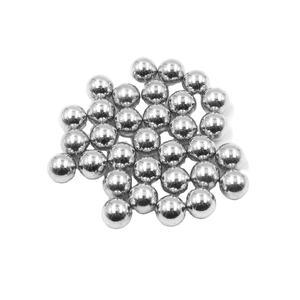
Silicon carbide rounds aren’t your average steel spheres. They’re made from silicon carbide (SiC), an artificial compound understood for severe hardness. Assume diamond-like, however man-made. This hardness originates from strong bonds in between silicon and carbon atoms. Making them includes sintering extremely pure SiC powder at unbelievably heats. The outcome? Balls that are incredibly tough, immune to wear, and handle high temperatures well. They also resist chemical assault better than lots of steels. You find them in sizes varying from simply a few millimeters approximately a number of inches. Their color is typically dark gray or black. Their crucial job is grinding and grating tough materials efficiently. In damp grinding, they continuously slam against particles suspended in a liquid, damaging them down.
2. Why Damp Grinding Demands Special Treatment with SiC Balls .
Wet grinding is difficult on any type of grinding media, yet silicon carbide balls face distinct obstacles here. The major trouble is the water, or whatever fluid is used. Silicon carbide is hard, however it can react chemically with water, specifically under the extreme heat and stress inside a running mill. This reaction is slow yet genuine. It gradually weakens the surface area of the rounds, making them extra susceptible to chipping or damaging. Think about it like rust slowly eating away at metal, yet different. The consistent impact and abrasion from the slurry speed up this wear. Additionally, SiC is fragile. A sharp impact from one more ball or the mill lining can cause cracks or chips. These damaged spheres then wear out a lot faster and can pollute your product. Ignoring these dangers implies replacing spheres more often, losing cash. It also takes the chance of contaminating your meticulously ground product with busted ball fragments. Worse, a round damaging catastrophically inside a fast-moving mill can harm the mill lining or various other parts. Safety and security matters too. Managing wet, heavy, and potentially slippery ceramic spheres needs care to avoid injuries.
3. Exactly How to Manage SiC Balls Securely in Wet Procedures .
Making use of silicon carbide balls successfully in wet grinding means wise handling. Begin with picking the ideal ball. Not all SiC is equal. Ask your provider for spheres especially made for wet grinding. These frequently have unique ingredients or finishings to slow down that chemical wear. Make certain the ball grade matches the solidity of your material. Utilizing balls also soft methods they wear fast. Spheres too hard could ruin simpler. Dimension matters also. The ideal size depends upon your mill and the bit size you desire. Get professional suggestions below. Packing the balls requires treatment. Never ever just dispose them in. Add them delicately to avoid influence damage. Utilize a chute or slowly pour them over the slurry currently in the mill. The grinding slurry itself is necessary. Control its chemistry. Stay clear of really high or really reduced pH degrees ideally, as extremes accelerate SiC wear. Occasionally adding a tiny amount of a protective chemical helps. Keep an eye on the slurry thickness. As well thick places even more stress on the rounds. As well slim might indicate ineffective grinding. Monitor the mill’s sound and resonance. Unusual sounds can indicate busted rounds. Check the rounds frequently. Try to find chips, cracks, or too much rounding. Remove damaged balls right away. They trigger much more damages. Maintain documents of sphere wear rates. This helps identify issues early. Bear in mind, damp SiC rounds are heavy and slippery. Use gloves and safety and security shoes. Usage proper training tools for bags or bins. Keep the workplace tidy and dry to avoid slides.
4. Where SiC Balls Radiate in Wet Grinding Applications .
Silicon carbide spheres master damp grinding jobs where other media simply break too quickly. They are champs in the ceramics industry. Grinding super-hard materials like zirconia, alumina, or silicon nitride for sophisticated porcelains? SiC spheres are commonly the only choice. They last a lot longer than alternatives. The minerals processing market depends on them also. Grinding incredibly abrasive ores like quartz or granite down to great powders needs their durability. On the planet of sophisticated products, grinding carbides, nitrides, or borides for finishings or composites often occurs wet. SiC rounds manage the task. The electronics sector utilizes them for grinding raw materials for substratums or components requiring ultra-fine, pure powders. Wet grinding assists achieve that excellence without overheating. The paint and pigments industry utilizes wet bead mills with SiC media for dispersing super-fine, high-performance pigments where contamination is a large issue. Drug business in some cases use them in damp milling for very difficult active ingredients, specifically when ceramic contamination is less essential than metal. Basically, at any time you require to grind something incredibly hard into an extremely fine powder wet, and require long media life with very little contamination, silicon carbide rounds are likely on the listing.
5. Frequently Asked Questions: Silicon Carbide Balls in Damp Grinding .
People typically ask comparable questions concerning utilizing these difficult spheres in wet atmospheres. Here are the typical ones:.
Are SiC spheres worth the greater price contrasted to steel or alumina? Yes, frequently. While they set you back more in advance, their extreme wear resistance implies they last much, a lot longer in grinding really tough materials. You change them much less typically. You also obtain less contamination from used media. This conserves cash and hassle lasting for ideal applications.
Can I utilize SiC balls in any wet mill? Primarily indeed, however check. They operate in round mills, attritors, and bead mills. Ensure your mill cellular lining works. Rubber linings could put on quicker against difficult SiC. Ceramic or polyurethane linings are usually better. Also, confirm the mill’s style can manage the thickness of SiC rounds.
Exactly how do I know if the chemical wear is occurring? Look for certain indicators. The balls may create a somewhat chalky or harsh surface area texture. You may see more extremely fine SiC fragments in your product slurry than anticipated. The ball wear rate might be much faster than anticipated based on pure mechanical abrasion. Regular assessment is crucial.
What triggers SiC balls to damage suddenly? Sudden breaks usually originate from impact. Reasons include: loading rounds too roughly (dropping them), rounds striking each other or the mill lining too difficult (sometimes because of reduced slurry density), or a flaw inside the round itself (rare with good providers). Thermal shock from quick temperature changes can likewise break them.

(Precautions For Silicon Carbide Balls In Wet Grinding)
Can I blend SiC rounds with various other types of media? Usually not recommended. Various materials have various densities and wear rates. Mixing normally creates unequal grinding, faster endure the softer media, and increases the opportunity of effect damage to the SiC rounds. Adhere to one type per milling run.
RELATED POSTS

Barium Bismuth Oxide (BaBiO3)-Sputtering Target
Cobalt-Chrome-Carbide-Nickel-Silicon Alloy (Co28Cr0.25C3Ni1Si5)-Powder|EDULOC
Silicon Carbide Ball Waste Recycling Technology Achieved A Breakthrough
Main application areas of nanomaterials nano polymers

Do you know about natural flake graphite?