High-Density Grinding Media Balls for Industrial Applications

Are you tired of specifying non-slip flooring only to see its traction wear away within a year? Does the thought of a slick ramp or pool deck keep you up at night? Traditional anti-slip additives often sacrifice longevity for initial grip. We need a solution that lasts. Black silicon carbide powder offers that solution.
Why Black Silicon Carbide Powder Is the Superior Non-Slip Aggregate
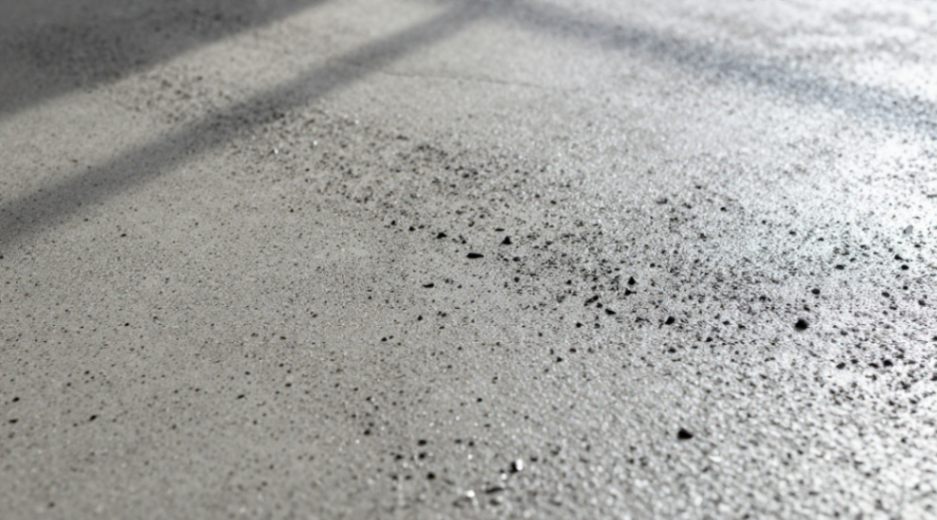
Black silicon carbide (SiC) is a synthetic ceramic material renowned for its extreme hardness. On the Mohs scale, it scores a 9.5, just below diamond. This inherent hardness is the core of its performance. When broadcast into a wet coating, the sharp, angular particles of black silicon carbide powder provide a permanent, wear-resistant traction surface. Unlike softer materials, it doesn’t round off or polish smooth under foot traffic.
Key Advantages for Non-Slip Applications
The performance stems from two primary characteristics: hardness and angularity. Hardness ensures the particles do not erode. Angularity ensures they present multiple sharp edges to interact with shoe soles. Together, they create a surface with a high coefficient of friction that endures.
Black Silicon Carbide vs. Other Anti-Slip Aggregates
Choosing the right aggregate is critical. Here is a data-driven comparison.
| Aggregate Type | Mohs Hardness | Key Characteristic | Best Use Case | Longevity in Heavy Traffic |
|---|---|---|---|---|
| Black Silicon Carbide | 9.5 | Extreme hardness, sharp angular grains | Industrial floors, ramps, truck decks | Excellent (10+ years) |
| Aluminum Oxide | 9.0 | Very hard, semi-rounded grains | Commercial floors, walkways | Good (5-7 years) |
| Silica Sand | 7.0 | Soft, rounded grains | Decorative, light-duty paths | Poor (1-3 years) |
| Polymer Beads | N/A | Soft, flexible | Temporary solutions, indoor | Very Poor (<1 year) |
As the table shows, black silicon carbide powder provides the hardest, most durable option. It is the go-to choice for environments like food processing plants or warehouse ramps where chemical resistance and constant abrasion are daily realities.
How to Apply Black Silicon Carbide Powder: A Step-by-Step Guide
Correct application is non-negotiable. Follow these steps for a professional, lasting result.
Step 1: Surface Preparation
All coating success starts here. The substrate must be clean, sound, and dry. For concrete, this means mechanical abrasion (shot blasting or diamond grinding) to open pores and remove laitance. It also means ensuring the surface is free of oil, grease, and dust. A vacuum is essential after grinding. Poor preparation leads to delamination.
Step 2: Selecting Grit Size and Coating System
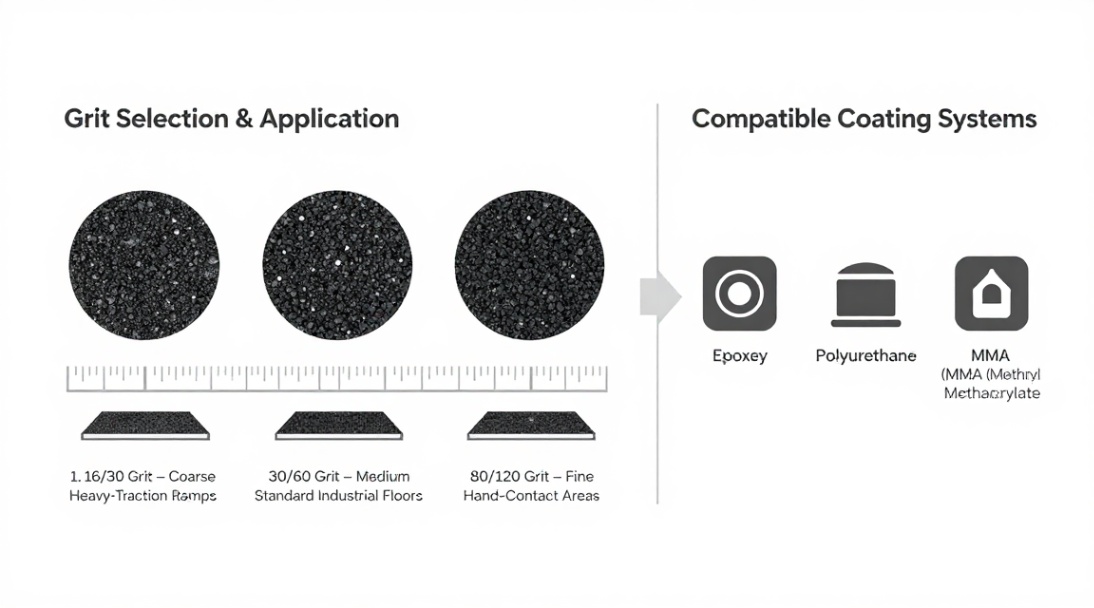
Grit size dictates aggressiveness. For most industrial floors and ramps, a 16/30 or 30/60 mesh grit provides optimal balance between traction and cleanability. Use finer grits (80/120) for areas where bare hands may contact the surface. The powder is compatible with epoxy, polyurethane, and MMA (methyl methacrylate) systems. Choose a high-build, 100% solids coating for maximum durability.
Step 3: Broadcasting the Powder
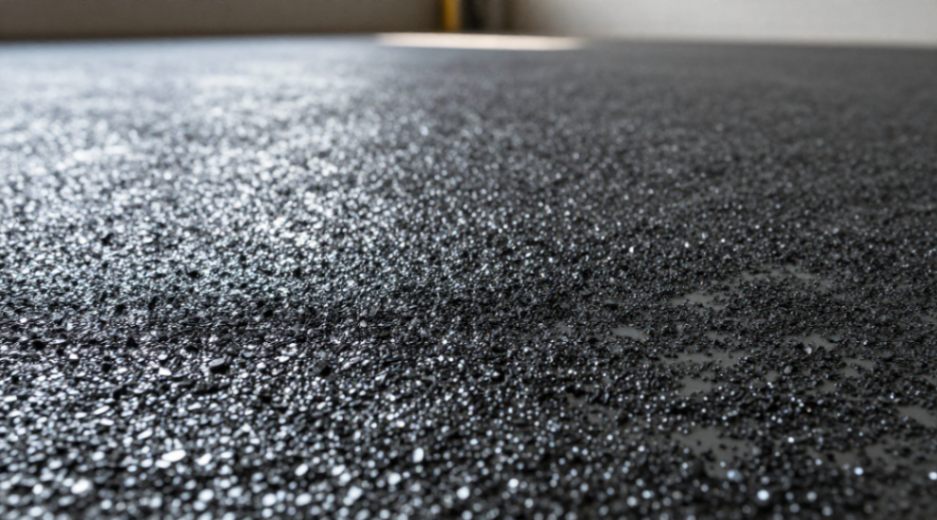
Apply the primer or base coat according to manufacturer specs. While the coating is still wet, broadcast the black silicon carbide powder evenly across the surface. Use a mechanical broadcast feeder for large areas to ensure consistent coverage. Achieve full, monolithic coverage-you should not see the wet coating beneath the aggregate.
Step 4: Curing and Sealing
Allow the coating to cure fully as per its technical data sheet. This typically takes 12-24 hours. Then, remove any loose, unbonded powder with a stiff broom or industrial vacuum. Finally, apply a seal coat (or “topcoat”) of the same resin system. This locks the particles in place, enhances chemical resistance, and makes the floor easier to clean.
Performance and Compliance in Real-World Use Cases
This material meets rigorous standards. A properly applied system using black silicon carbide powder can achieve a Dynamic Coefficient of Friction (DCOF) above 0.60, easily exceeding ADA and OSHA recommendations for ramps and wet areas. Its inorganic nature makes it impervious to UV degradation, oils, and most chemicals.
Maintenance Best Practices
Maintenance is straightforward. Use a neutral pH cleaner and a soft-bristle brush or auto-scrubber. Avoid harsh acidic cleaners, which can attack the resin binder over time. The extreme hardness of the SiC particles means they will not wear down, maintaining traction for the life of the coating system itself.
The Final Word on Durable Traction
For engineers and facility managers, the choice is clear. If you need a non-slip surface that withstands decades of punishment, black silicon carbide powder is the definitive technical solution. It transforms a standard resin coating into a permanent safety feature. The initial investment pays for itself by eliminating frequent recoating cycles. Specify it with confidence for your next high-traffic or critical safety area project.
Consult with your coating system manufacturer to verify compatibility and coverage rates. Then, prepare the surface meticulously and follow the broadcast method outlined above. You will create a floor that is as safe as it is tough.
eduloc founded on October 17, 2012, is a high-tech enterprise committed to the research and development, production, processing, sales and technical services of ceramic relative materials such as How. Our products includes but not limited to Boron Carbide Ceramic Products, Boron Nitride Ceramic Products, Silicon Carbide Ceramic Products, Silicon Nitride Ceramic Products, Zirconium Dioxide Ceramic Products, etc. If you are interested, please feel free to contact us.
RELATED POSTS

can you automate grinding ball mincraft
Alumina Ball In Electricity High Consistency Solution In Grinding Of Sub-Ceramic Substrates
how to grind dragon balls in xenoverse 2
Lithium Iodide Hydrate (LiI.H2O)-Powder
Calcium Molybdate (Calcium Molybdenum Oxide) (CaMoO4)-Powder