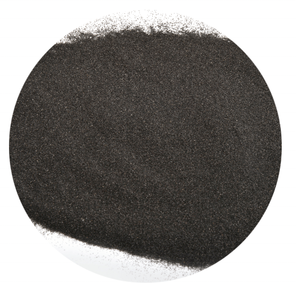
High-Density Grinding Media Balls for Industrial Applications

Silicon Carbide Balls: Aerospace Bearing Factory’s Secret Weapon
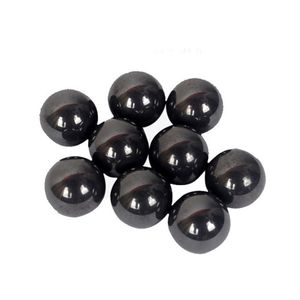
(The Test Data Of Silicon Carbide Balls In An Aerospace Bearing Factory)
Ever wonder what keeps those massive jet engines spinning smoothly thousands of feet in the air? Inside those critical bearings, something special is often at work. This blog dives into the fascinating world of silicon carbide balls, a key player in aerospace bearing performance. We recently got a peek at some impressive test data from a major aerospace bearing factory. Let’s explore why these little ceramic spheres are making such a big splash.
1. What Are Silicon Carbide Balls?
Think of silicon carbide balls as super-tough, high-tech marbles. They are not made from metal like steel. Instead, they are crafted from silicon carbide. Silicon carbide is an incredibly hard ceramic material. It’s like the stuff used on sandpaper, but much stronger and refined. These balls are manufactured to be perfectly round and incredibly smooth. Precision is key. Even a tiny imperfection can cause big problems in a bearing. These balls are designed to handle extreme conditions. They fit inside bearing rings, acting as rolling elements. They carry loads while allowing smooth rotation with minimal friction. In demanding applications, especially aerospace, they outperform traditional steel balls. Their unique properties offer significant advantages. We’ll explore those next.
2. Why Silicon Carbide Balls Beat Steel
Steel has been the go-to material for bearing balls for a long time. So why switch? Silicon carbide balls offer several crucial benefits. First, they are much harder. Hardness translates directly to wear resistance. They don’t wear down as quickly as steel balls. This means bearings last longer. Second, they are lighter. Weight savings are critical in aerospace. Every ounce counts. Lighter balls reduce the overall weight of the bearing assembly. Third, silicon carbide balls can handle much higher temperatures. Jet engines get incredibly hot. Steel balls can soften or deform under extreme heat. Silicon carbide balls stay strong and stable. Fourth, they resist corrosion better. Exposure to harsh chemicals or environments doesn’t faze them like it does steel. Fifth, they generate less friction. Less friction means less heat build-up and better efficiency. All these factors combine to create bearings that perform better, last longer, and are more reliable. This is vital for aircraft safety.
3. How Are Silicon Carbide Balls Made?
Creating these near-perfect spheres is a complex process. It starts with silicon carbide powder. This powder is extremely fine. Manufacturers mix the powder with special binders. This mixture forms a slurry. The slurry is then shaped into small, rough balls. These “green” balls are not yet strong. They go through a sintering process next. Sintering involves heating the balls to very high temperatures. This is done in special furnaces. The heat fuses the powder particles together. It creates a solid, dense ceramic structure. After sintering, the balls are hard but not perfectly round or smooth. Precision grinding is essential. Sophisticated machines grind the balls to exact dimensions. The goal is perfect sphericity and an ultra-smooth surface finish. Tolerances are incredibly tight. We’re talking millionths of an inch. Quality control is rigorous. Every batch is tested for size, roundness, hardness, and surface quality. Only the best balls make it into aerospace bearings.
4. Aerospace Applications: Where These Balls Fly
Silicon carbide balls find their home in some of the most demanding spots in an aircraft. The main application is in jet engine bearings. These bearings support the main shaft connecting the turbine and compressor. They spin incredibly fast. They endure massive loads and searing temperatures. Traditional steel bearings struggle here. Silicon carbide balls excel. They provide the needed durability and heat resistance. Another key area is the auxiliary power unit (APU). The APU provides power when the main engines are off. Its bearings also face high stresses. Silicon carbide balls are often used there too. Some advanced gearboxes within the engine also benefit. These gearboxes transfer power between shafts. High-speed operation demands reliable components. The lighter weight of ceramic balls helps reduce centrifugal forces. This improves gearbox efficiency and lifespan. Essentially, anywhere extreme conditions meet the need for reliability, silicon carbide balls are likely playing a role. They are a critical enabler for modern, efficient jet engines.
5. Silicon Carbide Ball FAQs: Your Top Questions Answered
People often have questions about these advanced components. Let’s tackle some common ones.
Are silicon carbide balls brittle? Yes, ceramics can be brittle compared to metals. However, modern manufacturing ensures high toughness. They are designed to handle the compressive loads in bearings. Sudden impacts must be avoided though. Proper handling is important.
Do they cost more than steel balls? Absolutely. Silicon carbide balls are significantly more expensive. The raw material costs more. The manufacturing process is more complex and time-consuming. Precision grinding is slow and requires expensive equipment. However, the longer lifespan and improved performance often justify the cost in critical applications like aerospace.
Can they be used in all bearings? Not really. They are best suited for high-performance applications. Think high speeds, high temperatures, and corrosive environments. For less demanding uses, like many industrial bearings, steel remains the cost-effective choice. The benefits of silicon carbide aren’t always needed there.
How do they affect bearing lubrication? They interact well with lubricants. Their smooth surface helps form effective lubricating films. In fact, they might require less lubrication than steel in some cases. Less friction means less heat generated from sliding. This reduces the burden on the lubricant. However, proper lubrication is still essential for any bearing.

(The Test Data Of Silicon Carbide Balls In An Aerospace Bearing Factory)
What about electrical conductivity? This is a key difference. Steel balls conduct electricity. Silicon carbide balls are electrical insulators. This can be an advantage. It prevents electrical currents from passing through the bearing. Electrical currents can cause damage through a process called electrical arcing. In some sensitive equipment, insulating balls are essential.
RELATED POSTS
Why High Purity Green Silicon Carbide Powder is the Unbeatable Choice for Advanced Ceramics
3D Printing Alloy Spherical Niobium Powder
Nickel Iodide (NiI2)-Powder
Advantages and advantages of gallium nitride
The Eu Reach Regulations Have Been Updated, And The Export Threshold For Stainless Steel Balls Has Been Raised