High-Density Grinding Media Balls for Industrial Applications

1. The Silent Danger You Can’t Ignore
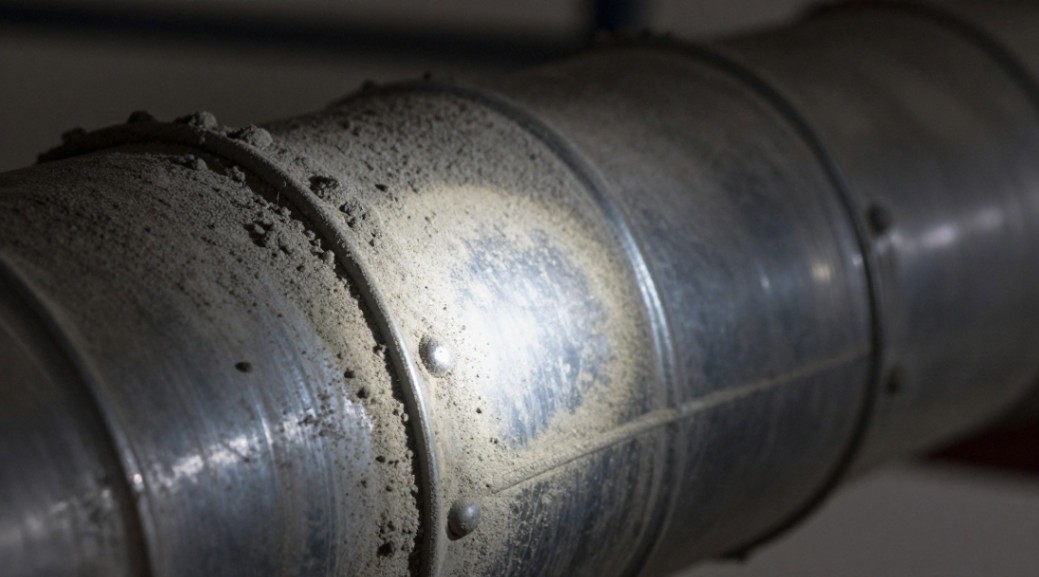
Statistics show that the initial cost of a dust collection system is often less than 20% of its total lifetime expense. The real money-and the gravest risks-lie in what happens after installation. Getting your silicon carbide dust collection system wrong isn’t just inefficient. It’s dangerous.
2. Critical Questions You Must Ask
Let’s break down the most frequent, and dangerous, assumptions. These short answers are based on decades of field experience.
Q: What’s the biggest mistake when starting with silicon carbide dust?
Treating it like ordinary dust. This is your first and most critical error. Silicon carbide dust is incredibly hard and abrasive. It will shred standard filter media, destroy fan impellers not designed for abrasion, and create significant static electricity. Think of it as liquid sandpaper flowing through your entire system.
Q: Can I just use a standard baghouse or cartridge filter?
Maybe, but you’ll regret it. The hardness of silicon carbide dust demands specific defenses. For cartridge filters, you need a robust, abrasion-resistant nanofiber surface treatment on the media. For baghouses, you must specify heavy-duty, abrasion-resistant felts. The goal is to prevent the sharp SiC particles from embedding in and cutting the filter fibers, which causes premature failure and a massive maintenance headache.
Q: Is explosion protection really necessary for silicon carbide?
Absolutely, yes. Never skip this. Silicon carbide dust is electrostatically conductive. This unique property creates a high risk of static discharge. When suspended in air at the right concentration, it can fuel a violent deflagration. Your system must comply with NFPA 652 and 654 standards. This means proper grounding, bonding, explosion venting or suppression, and likely an air velocity high enough to prevent dust accumulation in the ductwork. Treating it as non-combustible is a catastrophic assumption.
Q: Where should I place my collection hoods?
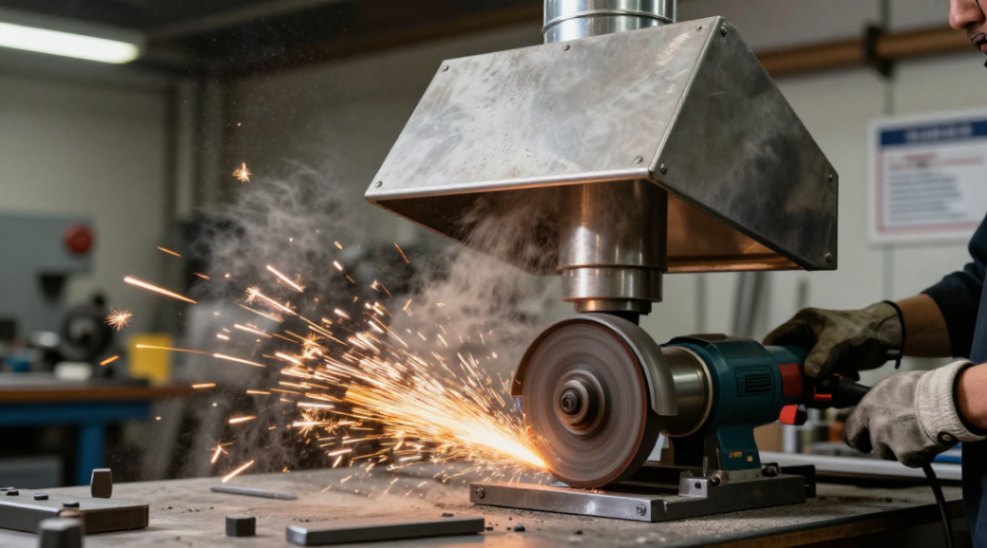
As close to the source as physically possible. This is non-negotiable for silicon carbide dust collection systems. Grinding, cutting, and polishing stations generate dense clouds of fine, respirable dust. The goal is to capture it before it enters the worker’s breathing zone and before it disperses into your plant air. Use hoods, enclosures, or downdraft tables designed for the specific tool and operation. General room ventilation will not protect your workers from silicon carbide dust inhalation risks.
Q: How do I maintain this system without creating more risk?
With a strict, disciplined procedure. The maintenance act itself can be hazardous. When changing filters, use a trained crew with proper PPE to avoid breathing in the disturbed dust. Never use compressed air for cleaning inside the collector unless it’s specifically designed for pulse-jet cleaning. Manually inspect ductwork interiors regularly for abrasion wear and for dust layers, which are both a fire and a compliance failure. Log every inspection. Your maintenance log is your first line of defense.
Q: What’s the smartest first step in choosing a system?
Characterize your dust. Be brutally honest about your process. Measure or closely estimate your dust load (pounds per hour), the particle size distribution, and the moisture content. A system sized for occasional bench grinding will fail catastrophically on a high-volume floor grinding line. Match the primary collection technology-whether it’s a high-efficiency cartridge system for fine dust or a rugged baghouse for heavier loads-directly to your actual, measured needs. Over-sizing is better than under-sizing, but precision sizing saves the most energy and money.
3. Your Path Forward
The right approach to silicon carbide dust collection protects more than your equipment. It safeguards your most valuable asset: your people. It ensures you meet OSHA regulations and air quality standards before an inspector walks in. It prevents unplanned shutdowns and ruinous filter replacement costs.

Start by auditing your current process. Map every dust generation point. Review your filter media specs against the abrasive reality of SiC. Scrutinize your ductwork for wear and accumulation. This isn’t just a purchase; it’s an ongoing commitment to operational integrity. Your success depends on respecting the unique, demanding nature of silicon carbide dust from day one.
eduloc founded on October 17, 2012, is a high-tech enterprise committed to the research and development, production, processing, sales and technical services of ceramic relative materials such as Silicon. Our products includes but not limited to Boron Carbide Ceramic Products, Boron Nitride Ceramic Products, Silicon Carbide Ceramic Products, Silicon Nitride Ceramic Products, Zirconium Dioxide Ceramic Products, etc. If you are interested, please feel free to contact us.
RELATED POSTS

Iron-based Alloy (Fe5C1Si1.8B43Cr)-Powder|EDULOC
Titanium Tantalum Alloy (TiTa)-Sputtering Target

Nickel Oxide (Li3PO4 doped) (NiO-Li3PO4 (90:10 at%))-Sputtering Target
Concept Verification Of Nanorobot Cluster Grinding Of Stainless Steel Balls
Choosing a US Silicon Carbide Powder Supplier: A 2024 Guide to Specifications, Quality, and Value
