High-Density Grinding Media Balls for Industrial Applications

The Local Sourcing Dilemma: When You Need it Now
Have you ever been in the middle of a critical project, only to realize you’re out of a key abrasive or ceramic material? Time is ticking. A speculative online order won’t cut it. You need to touch the product, read the label, and bring it back to your bench today. That’s the exact scenario where knowing where to purchase silicon carbide powder locally becomes non-negotiable. We’ve all been there. Let’s talk about why local sourcing matters and how to do it right.
Defining Your “Local” Options
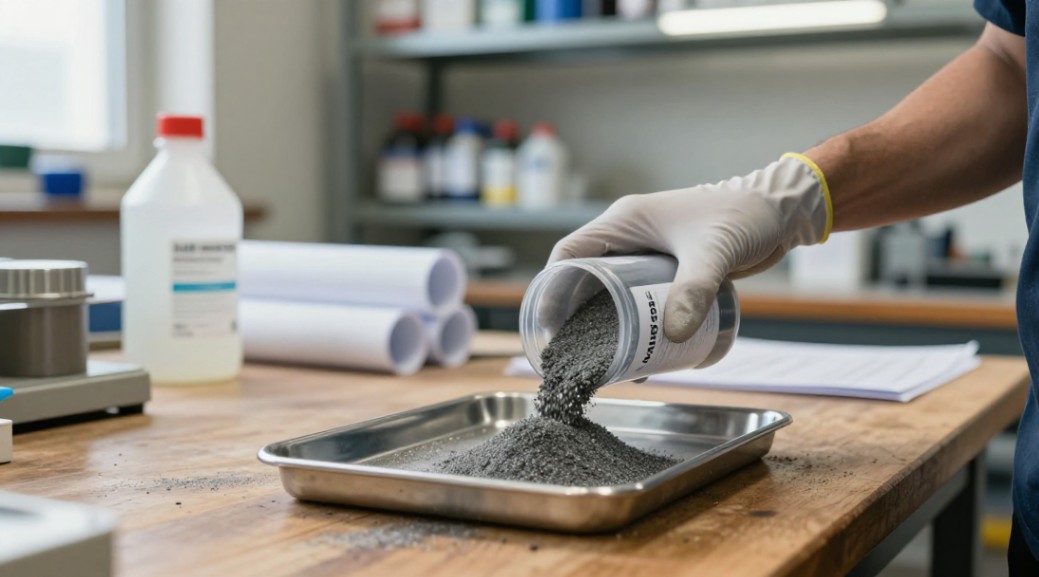
Silicon carbide powder isn’t a one-size-fits-all product. It exists on a spectrum from coarse blasting media to sub-micron ceramic sintering powders. Consequently, your ‘local’ source depends entirely on your application. Finding the right supplier means matching your technical needs with the correct type of distribution channel.
Where to Look: Your Local Source Checklist
Here is a breakdown of the most common local sources, what you can typically expect to find there, and the best use cases for each. This is where logic and preparation save you hours of fruitless phone calls.
| Source Type | What You’ll Likely Find | Ideal For | Key Consideration |
|---|---|---|---|
| Hardware/Home Improvement Stores | Bulk blasting media, loose tumbling abrasive, sometimes labeled ‘carborundum’. | Cleaning, deburring, rough surface prep. Consumer-grade tasks. | Grit size and purity are rarely specified. Not for technical ceramic work. |
| Ceramic & Pottery Supply Stores | Specialty grades for glaze mixing, kiln shelf wash, refractory applications. | Potters, artists, small-scale refractory projects. | May stock finer grits (80-220 common). Ask about FEPA grading or supplier data sheets. |
| Industrial Abrasives Distributors | Wide range of grit sizes (often FEPA F or P standards), bonded abrasive formulations. | Metalworking, grinding wheels, sandpaper, professional finishing. | Your best bet for consistent, graded abrasives. May require a business account. |
| Metallurgical Suppliers & Foundries | High-purity grades, deoxidizing agents, specialized technical powders. | Metal casting, advanced material synthesis, lab R&D. | May have minimum order quantities (MOQs). Purity levels (e.g., 98% SiC+) are critical here. |
Before You Call or Visit: Be Prepared
Walking in cold is a recipe for frustration. Suppliers respect buyers who know their specs. Arm yourself with this information first.
- Grit Size or Micron Rating: This is your most important spec. Are you looking for a coarse 36 grit for heavy grinding or a fine 1000 grit for polishing? Know the FEPA (F or P) or approximate mesh/micron size.
- Quantity Needed: Be realistic. Are you filling a small vibratory tumbler or mixing a large refractory batch? This immediately filters out suppliers with high MOQs.
- Purity/Application: Is this for abrasive blasting, making a refractory cement, or sintering a technical ceramic? The application dictates the required purity.
- Physical Verification: One major advantage of local purchase is inspecting the product. Check for contamination, clumping, or inconsistent grain size distribution right at the counter.
The Smart Buyer’s Script: Key Questions to Ask
When you get a supplier on the phone, cut to the chase. These questions get you the answers you need, fast.

- ‘Do you carry silicon carbide powder in [your specific grit, e.g., 120 grit or 220 grit]?’
- ‘Is it in stock at your [your city] location, or would it need to be transferred?’
- ‘What is the minimum purchase quantity?’
- ‘Can you provide the manufacturer’s technical data sheet or Safety Data Sheet (SDS) so I can verify the specs?’
- ‘Do you offer different grades, like green vs. black silicon carbide?’
Acknowledge the Trade-Offs: Local vs. Online
Local sourcing has limits. Be realistic. A local hardware store won’t have 99.5% pure, sub-micron powder for advanced ceramics. An industrial supplier may not stock the 5-pound bag you need. For highly specialized, high-purity, or very large-volume needs, online specialty retailers often have a broader selection. The local advantage is speed, inspection, and avoiding shipping hazardous materials. Weigh these factors against your project’s true requirements.
Pro Tips and Alternative Paths
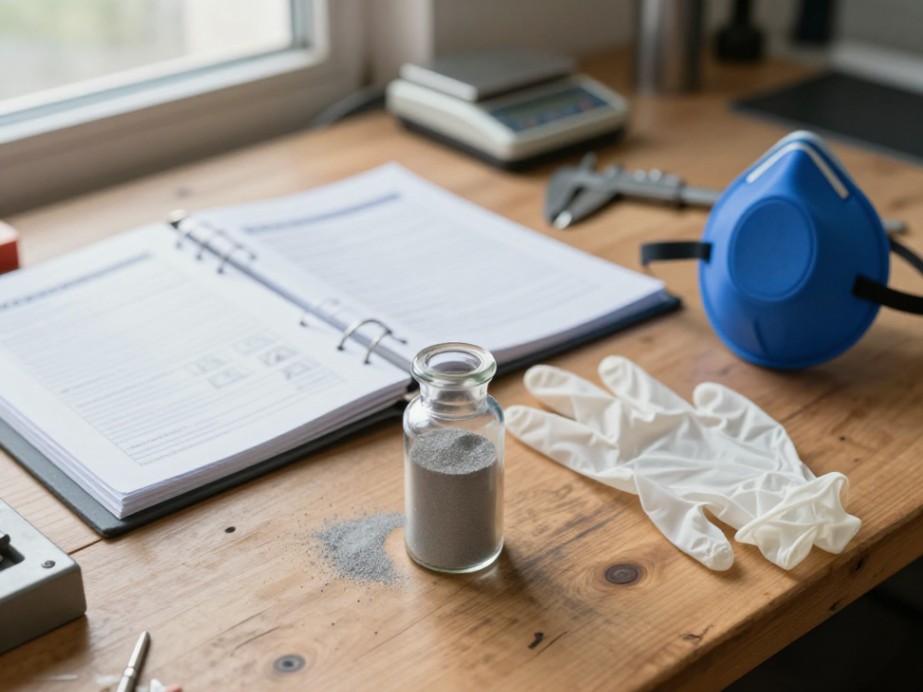
If the usual suspects don’t pan out, think laterally. Cheque with local makerspaces, machine shops, or university engineering/art departments. They often buy in bulk and may share a source or even sell you a small quantity. Always, always review the Safety Data Sheet (SDS) for handling, storage, and PPE requirements-especially for fine powders where inhalation is a risk. Responsible sourcing includes safe handling.
Your Next Step
Start with the table above. Identify the source type that matches your need. Gather your specifications-grit, quantity, use. Then, use online retailer ‘find in store’ tools or simply call the industrial suppliers in your area. Be specific. Be prepared. You’ll find that local silicon carbide powder is often closer than you think, waiting for a knowledgeable buyer to claim it.
eduloc founded on October 17, 2012, is a high-tech enterprise committed to the research and development, production, processing, sales and technical services of ceramic relative materials such as Stop. Our products includes but not limited to Boron Carbide Ceramic Products, Boron Nitride Ceramic Products, Silicon Carbide Ceramic Products, Silicon Nitride Ceramic Products, Zirconium Dioxide Ceramic Products, etc. If you are interested, please feel free to contact us.
RELATED POSTS
TR-40 Foam Concrete Blocks Making Machine
The oil prices have fallen but the extent of the boat trailer accessories market also has a great impact
Alumina Ball Paves The Way For Ultrafine Grinding Of Solid-State Battery Electrolyte
Why Aerogel Powder is the Solid with the Smallest Density in the World