High-Density Grinding Media Balls for Industrial Applications

The Grit That Changes Everything
Early in my career, I ruined a batch of promising Lake Superior agates. The culprit? A cheap, inconsistent grit labeled as silicon carbide powder for rock tumbling. The grit wore out too fast, leaving the rocks in a rough, scratched limbo. That failure taught me a fundamental truth: the quality of your abrasive powder is not a detail; it’s the engine of your entire process. For over two decades, I’ve tested dozens of brands and grades to identify what truly works. Let’s move past marketing and focus on the data and techniques that deliver flawless results.
Silicon Carbide Grit Explained: The Workhorse Abrasive
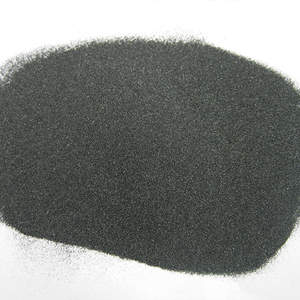
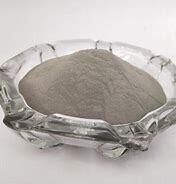
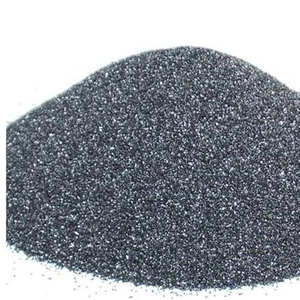
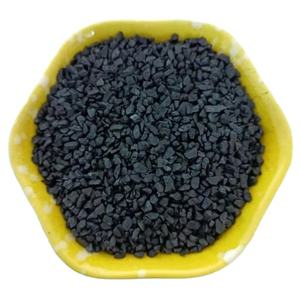
Silicon carbide (SiC) grit is a synthetic, sharp-edged abrasive known for its extreme hardness and rapid cutting speed. In rock tumbling, we use it primarily for the initial coarse grinding and intermediate smoothing stages. Its particles fracture into new, sharp edges as they work, maintaining cutting efficiency longer than many softer abrasives.
Silicon Carbide vs. Aluminum Oxide: A Direct Comparison
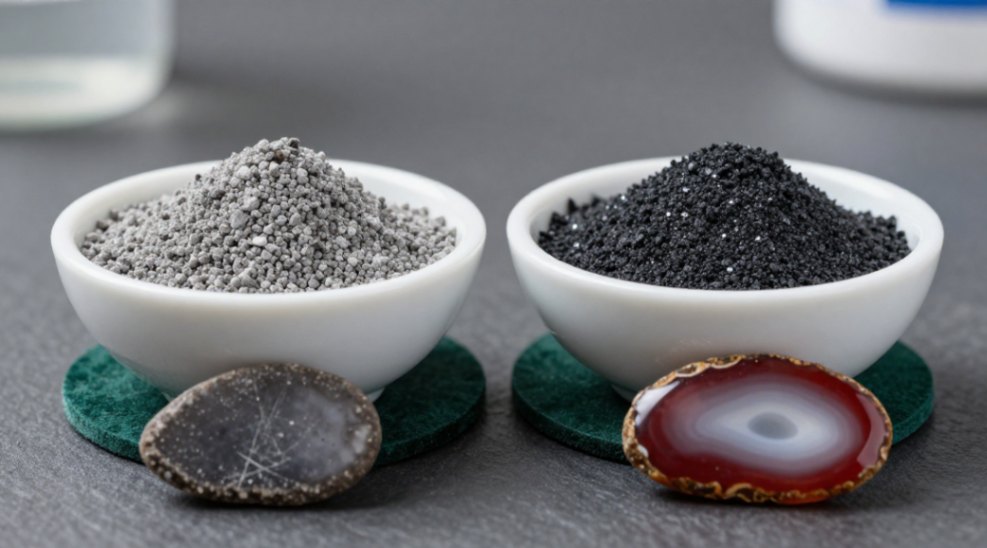
While aluminum oxide is excellent for final polish stages, silicon carbide outperforms it for material removal. The hardness of silicon carbide is approximately 9.5 on the Mohs scale. Aluminium oxide is about 9.0. This difference translates directly to cutting speed. For coarse work, silicon carbide can reduce tumbling time by 20-30% compared to aluminum oxide on the same material, according to a 2018 Lapidary Abrasive Materials Report.
The Step-by-Step Grit Progression System
Follow this sequence precisely. Deviating often leads to visible scratches that later stages cannot remove.
1. Coarse Grind (Stage 1)
- Grit Size: 60/90 or 80/120 mesh silicon carbide powder.
- Objective: Remove major flaws, saw marks, and shape the rocks.
- Duration: 7-10 days for a standard 1.5 kg (3.3 lb) tumbler barrel load.
- Application: Use 3-4 tablespoons of grit per 1 lb of rock and media. Fill the barrel 2/3 to 3/4 full with a 70/30 rock-to-media ratio.
2. Medium Smooth (Stage 2)
- Grit Size: 150/220 or 220 grit silicon carbide.
- Objective: Eliminate the deep scratches from Stage 1.
- Duration: 5-7 days.
- Application: Use 2-3 tablespoons of grit per 1 lb of material. Maintain the same fill level.
3. Pre-Polish (Stage 3)
This is a critical junction. You can continue with a fine silicon carbide powder (500-600 grit) or switch to a specialized aluminium oxide pre-polish. For very hard stones like agate or jasper, fine SiC provides excellent scratch pattern refinement. For softer stones, a 1200 grit aluminium oxide is often safer to prevent bruising.
4. Polish (Stage 4)
This stage never uses silicon carbide. Use a dedicated polishing compound like cerium oxide, tin oxide, or aluminum oxide polish (14,000 mesh or finer).
Application Methods and Critical Safety Protocol
Precision in mixing is as vital as your grit size progression.
- Measure by Weight, Not Volume: For consistency, measure grit by weight. A standard 1.5 kg barrel load typically requires 90-110 grams of coarse SiC grit.
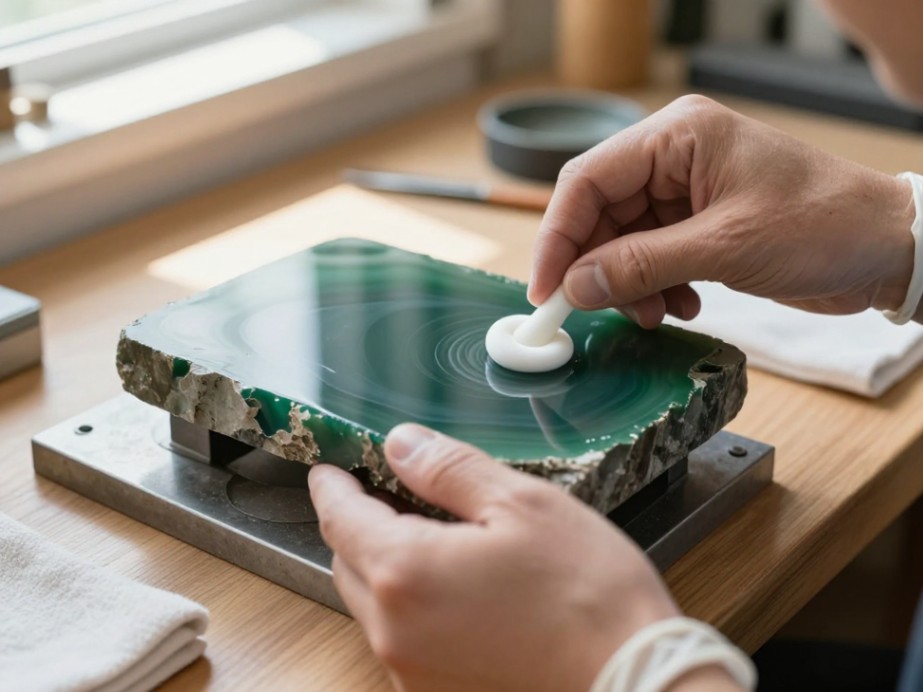
- Create a Slurry: Always mix your measured grit powder with water in a separate container before adding it to the barrel. This prevents clumping and ensures even distribution.
- Safety is Non-Negotiable: Silicon carbide dust is a respiratory irritant. Always wear an NIOSH-rated N95 particulate mask when handling dry powder. Wear gloves and safety glasses.
- Seal and Clean: Wipe the barrel’s rim and threads before sealing to prevent grit lock. Clean all tools and the workspace with water immediately after use; never dry sweep.
Choosing Your Powder: Premium vs. Budget Brands
Your choice impacts efficiency, finish quality, and cost-per-tumble.
- Premium Brands: Feature tightly controlled mesh sizes (more consistent particle size), higher purity, and sharper initial fracturing. They cut faster and produce a more uniform scratch pattern, making subsequent stages easier. They are the best silicon carbide powder for rock tumbling if you value time and final quality.
- Budget Brands: May have a wider particle size distribution (e.g., 60/90 may contain some 50 or 100 mesh particles). This can lead to uneven cutting and deeper stray scratches. They work adequately for hobbyists on a tight budget or for tumbling common, less valuable material.
The Verdict: For hard stones and professional results, invest in premium powder. For casual tumbling of softer rocks, a reputable budget brand can suffice.
Maximizing Grit Effectiveness and Lifespan
- Proper Barrel Loading: Underloading causes bruising; overloading impedes motion. The tumbling action should be a steady, rolling cascade.
- Re-use Grit Cautiously: You can re-use silicon carbide grit from Stage 1 for the next batch’s Stage 1, but its cutting power will be diminished by about 40%. Never re-use grit from a finer stage for a coarser one. Cross-contamination is the enemy of a good polish.
- Water is Crucial: Use enough water to cover the rocks by about 6 mm (1/4 inch). Too little water creates thick sludge that cushions the grit; too much dilutes the abrasive action.
Proper Disposal and Environmental Handling
Used silicon carbide slurry is not toxic, but the fine sediment can clog drains and is harmful to aquatic life. Never pour it down the drain.
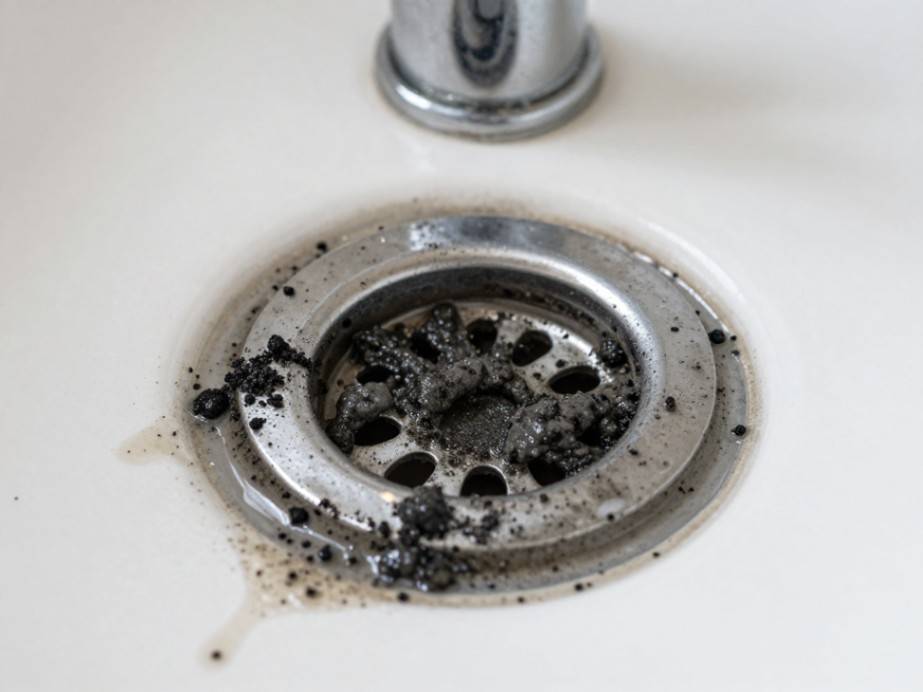
- Let the slurry settle in a bucket for 24-48 hours.
- Carefully decant the clearer water from the top.
- Dispose of the remaining sludge in a sealed container with your solid household waste.
- Filter the decanted water through a coffee filter or cloth before disposing.
Final Recommendation
After systematizing hundreds of tumbles, the data points to a clear conclusion. For the best overall silicon carbide powder for rock tumbling, choose a premium brand that offers tightly graded mesh sizes in a full progression (60/90, 220, 500). This consistency from stage to stage is the single most important factor in achieving a professional, scratch-free pre-polish. It reduces total tumbling time and increases your success rate dramatically. Start with that foundation, follow the steps and safety protocols outlined here, and your results will speak for themselves.
eduloc founded on October 17, 2012, is a high-tech enterprise committed to the research and development, production, processing, sales and technical services of ceramic relative materials such as Choosing. Our products includes but not limited to Boron Carbide Ceramic Products, Boron Nitride Ceramic Products, Silicon Carbide Ceramic Products, Silicon Nitride Ceramic Products, Zirconium Dioxide Ceramic Products, etc. If you are interested, please feel free to contact us.