High-Density Grinding Media Balls for Industrial Applications

The Silicon Carbide Advantage in Brake Pad Formulations
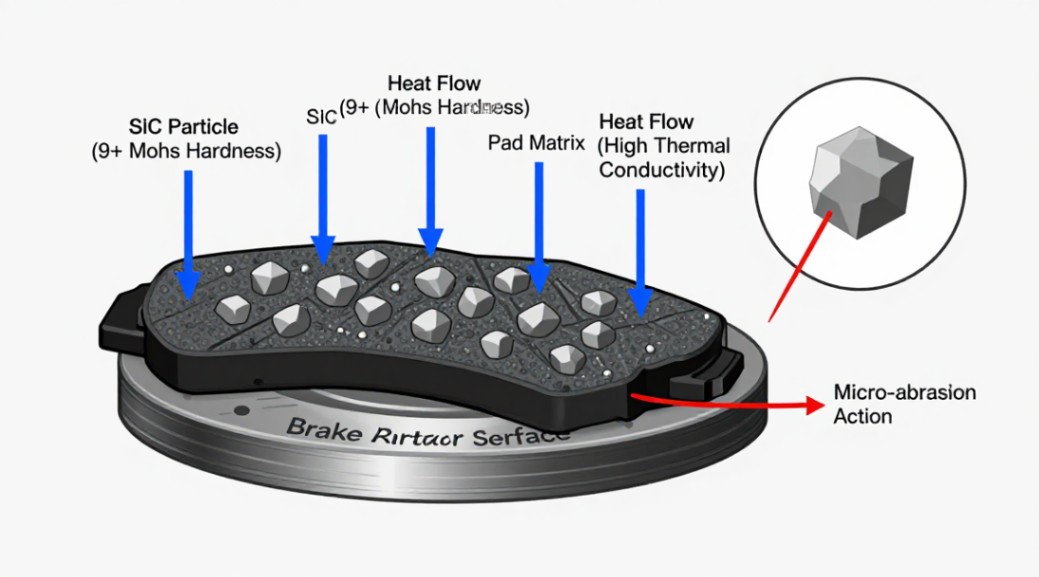
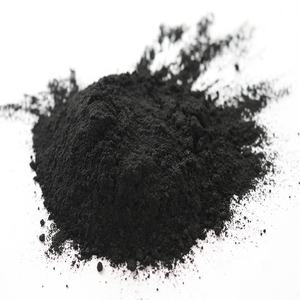
Silicon carbide powder delivers a unique combination of extreme hardness (Mohs scale 9+) and exceptional thermal conductivity (120 W/m·K). Brake pad formulators harness these properties to solve two core problems: inconsistent friction and catastrophic brake fade. Unlike softer abrasives, silicon carbide doesn’t just grind; it micro-scrapes the rotor to create an optimal friction surface while pulling intense heat away from the pad’s surface layer.
How Silicon Carbide Powder Functions in Your Brakes
Imagine a brake pad as a carefully tuned orchestra. The silicon carbide particles play the role of a precise, aggressive percussion section.
- Abrasive Action: These ultra-hard particles scrape away iron oxide (rust) and transfer film on the rotor, maintaining a clean, high-friction mating surface. This prevents the glassy, low-friction layer known as “glazing.”
- Thermal Management: When you brake from high speed, temperatures at the pad/rotor interface can exceed 600°C. Silicon carbide acts like microscopic heat sinks, conducting this energy into the pad bulk, delaying the point where the binder resin breaks down and causes fade.
The “What NOT to Do” Guide with Silicon Carbide Brake Pads
WARNING: The very properties that make silicon carbide effective also create pitfalls for the uninformed user. Ignoring these can lead to costly damage and compromised safety.
1. Never Pair Them with Standard Replacement Rotors
Mistake: Installing high-performance pads containing silicon carbide on worn, untreated, or low-quality rotors.
The Risk: The abrasive action is too aggressive for a non-mated surface. You will experience severe vibration (judder), accelerated rotor wear, and noise. The pads may never achieve proper bed-in, leading to unpredictable stopping power.
The Expert Fix: Always use new, high-carbon content rotors designed for performance use. They must be properly machined and bedded-in with a specific procedure. As Dr. Elena Vance, a tribologist at Friction Materials Labs, notes: “Silicon carbide demands a compatible rotor substrate. It’s a system, not just a pad change.”
2. Never Assume They’re “Street” Pads
Mistake: Using racing or severe-duty pads with high silicon carbide content for daily commuting.
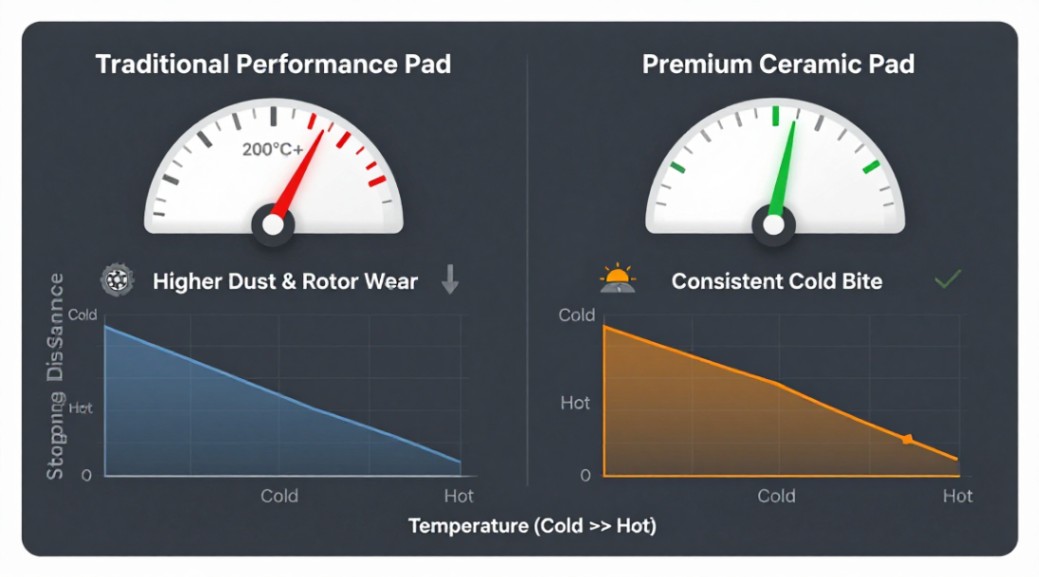
The Risk: Cold performance will be poor. These pads need significant heat (often 200°C+) to operate effectively. You’ll experience longer stopping distances on your first morning stop. They also generate more dust and wear rotors faster, increasing long-term costs. For a balanced daily driver solution, you might consider a premium ceramic brake pad that uses a more moderate abrasive package for quiet, low-dust operation with consistent cold bite.
3. Never Ignore the Bed-In Procedure
Mistake: Driving normally after installation without a proper heat-cycling bed-in process.
The Risk: You will deposit pad material unevenly on the rotor. This creates hot spots, leading to permanent brake pulsation (warped rotor feeling) and noise. The friction layer will be unstable.
The Solution: Follow the manufacturer’s bed-in instructions precisely. Typically, this involves 5-10 moderate decelerations from 60 mph to 15 mph, allowing brief cooldown periods. This process transfers a thin, uniform layer of pad material onto the rotor, creating the designed friction partnership.
Where Silicon Carbide Powder is the Right Choice
When applied correctly, silicon carbide is transformative. Its primary value is stable friction coefficient at extreme temperatures.
- Motorsports (Track/Racing): Formula 1 and endurance racing pads rely on silicon carbide to maintain consistent pedal feel and stopping power through long, high-speed braking zones where temperatures are constantly above 500°C.
- Aerospace & Heavy-Duty: Aircraft and mining truck brakes use silicon carbide-based formulations. The focus is on fade resistance under massive kinetic energy loads and emergency stop reliability.
- Performance Street/Track Hybrids: For drivers who attend track days, a pad with a measured amount of silicon carbide offers a crucial safety margin against fade. The trade-off in rotor wear is accepted for the performance gain.
Making the Informed Decision for Your Vehicle
Choosing a brake pad isn’t about finding the “best” material. It’s about finding the right tool for your specific demands.
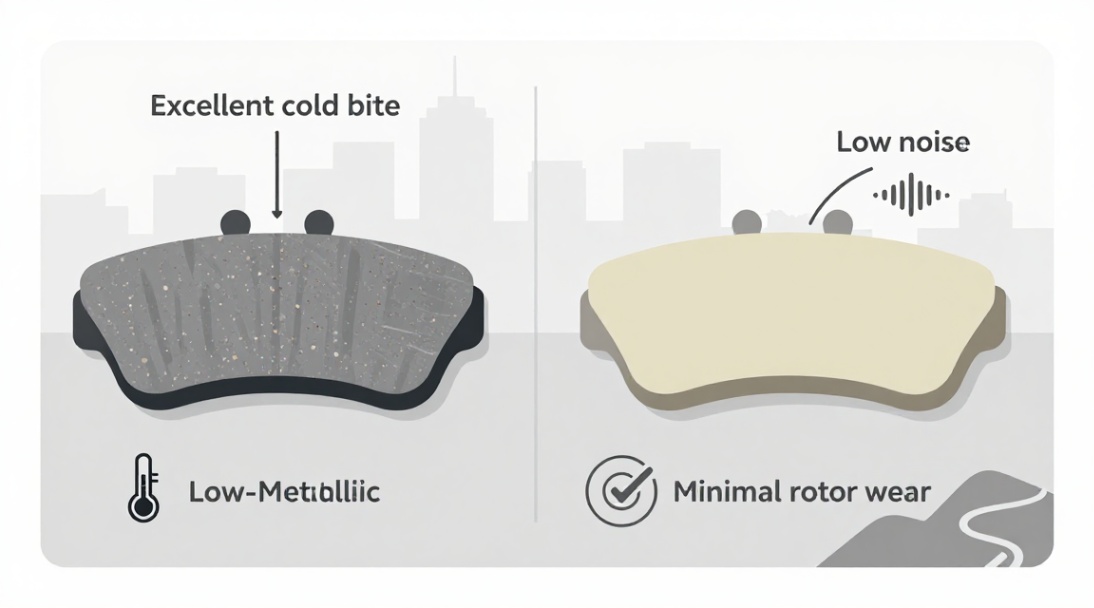
For daily driving with occasional spirited runs, a low-metallic or NAO ceramic pad is usually ideal. They offer excellent cold bite, low noise, and minimal rotor wear.
For serious track use, towing, or high-performance driving where fade is the enemy, a pad leveraging silicon carbide powder is a powerful ally. Just remember: you are committing to a system upgrade. New, high-quality rotors and a disciplined bedding process are non-negotiable. Consult with a performance shop specialist. They can recommend a balanced pad compound, like a performance ceramic pad with engineered abrasives, that matches your driving style without the extreme trade-offs of a full-race formulation. Your safety depends on this understanding.
eduloc founded on October 17, 2012, is a high-tech enterprise committed to the research and development, production, processing, sales and technical services of ceramic relative materials such as Silicon. Our products includes but not limited to Boron Carbide Ceramic Products, Boron Nitride Ceramic Products, Silicon Carbide Ceramic Products, Silicon Nitride Ceramic Products, Zirconium Dioxide Ceramic Products, etc. If you are interested, please feel free to contact us.
RELATED POSTS
A rebound in oil demand in Asia and Europe search to fill the Russian gap also had an impact on the market for the pg7 cable gland
Growth in total cargo volume at Miami International Airport helped expand the market for the spot shipment meaning
What is the Special Properties of Nitinol
Halite The mineral that everyone knows as "salt" Article by: Hobart M. King, PhD, RPG
The risk of gas supply shortages is spreading from Europe to Japan to impact cabtek cable gland