High-Density Grinding Media Balls for Industrial Applications

Silicon Carbide Ball Lifespan Hacks: 5 Pro Tips for Peak Performance

(Silicon Carbide Ball Maintenance Guide: 5 Tips To Extend Life)
1. What Are Silicon Carbide Balls?
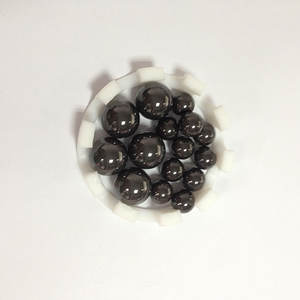
Silicon carbide balls are tiny, super-tough spheres made from silicon and carbon. They look like shiny, dark marbles. People make them by heating raw materials super hot until they fuse. These balls are harder than most metals. They handle extreme pressure without cracking. Industries love them for their toughness. They resist wear better than steel or ceramic balls. You find them in machines needing reliable, long-lasting parts. Think jet engines or high-speed motors. Their smooth surface reduces friction. This keeps machines running smoothly for years.
2. Why Maintain Silicon Carbide Balls?
Ignoring maintenance wastes money. These balls cost more than steel ones. Replacing them often hurts your budget. Unmaintained balls wear down faster. They get tiny chips or scratches. This increases friction in machines. Friction causes overheating. Overheating leads to breakdowns. Dirty balls trap grit. Grit acts like sandpaper inside bearings. This grinds down other parts too. Regular care stops these problems. Well-kept balls last decades. They protect your whole machine. Saving balls means saving time and cash on repairs.
3. How to Maintain Silicon Carbide Balls: 5 Tips to Extend Life
Tip 1: Clean Gently After Use
Never use harsh chemicals. Soak balls in warm water mixed with mild soap. Scrub softly with a lint-free cloth. Rinse thoroughly. Leftover cleaner residue attracts dirt. Dry them fast with compressed air. Moisture causes corrosion pits.
Tip 2: Store Right, Not Tight
Keep balls in sealed containers. Use padded dividers. Avoid stacking them loose. Bumping together causes micro-cracks. Store away from magnets. Metal dust sticks to balls. Dust becomes abrasive.
Tip 3: Lubricate Smartly
Apply thin silicone grease before reinstalling. Grease fills microscopic pores. This blocks moisture and grit. Use grease rated for high temperatures. Cheap grease burns off. Re-lubricate every 500 operating hours.
Tip 4: Check for Damage Monthly
Roll each ball on a glass plate. Watch for wobbles. Wobbles mean dents or warping. Shine a bright light on them. Look for hairline cracks or pits. Swap out damaged balls immediately. One bad ball strains others.
Tip 5: Control Temperature Shocks
Don’t move balls from hot machines to cold rooms. Sudden temperature changes crack them. Let balls cool slowly first. Install thermal shields in high-heat areas.
4. Applications of Silicon Carbide Balls
These balls thrive where others fail. Aerospace uses them in turbine bearings. Jet engines spin at 20,000 RPM. Steel balls melt here. Silicon carbide handles the heat. Electric cars need efficient power systems. Silicon carbide balls cut energy loss in motor bearings. Factories use them in high-pressure pumps. They push chemicals without corroding. Medical scanners rely on them too. MRI machines demand vibration-free movement. Silicon carbide balls run silently. Even deep-sea robots use them. Seawater can’t rust these balls. They keep submersibles exploring oceans longer.
5. Silicon Carbide Balls: FAQs
Q: Can I clean them with vinegar?
A: No. Acids etch the surface. Use pH-neutral cleaners only.
Q: Do magnets affect silicon carbide balls?
A: They’re non-magnetic. But store away from steel dust. Dust scratches them.
Q: How long do they last in a home appliance?
A: Easily 15+ years with basic care. Most appliances die before these balls fail.
Q: Why not use cheaper ceramic balls?
A: Ceramic balls shatter under sudden stress. Silicon carbide absorbs impacts.
Q: Can I polish scratched balls?
A: Don’t try. DIY polishing ruins their roundness. Replace damaged balls.
Final Note
(Silicon Carbide Ball Maintenance Guide: 5 Tips To Extend Life)
Treat these balls well. They’ll outlast your machine. Skip shortcuts. Follow the five tips. Your equipment stays happier longer.
RELATED POSTS
Silver Nickel Alloy (AgNi (95:5 Wt%))-Sputtering Target
Niobium Selenide (NbSe2)-Sputtering Target
How to Use Coarse 600 Grit Silicon Carbide Abrasive Powder for Blasting: A Practical Guide
Sodium metasilicate pentahydrate (Na2SiO3•5H2O)-Granules
Cobalt-Chrome-Tungsten-Carbide-Nickel-Silicon Alloy Powder Co30Cr4.5W1C3Ni1.4Si|EDULO