High-Density Grinding Media Balls for Industrial Applications

What is Low Dust Black Silicon Carbide Powder?
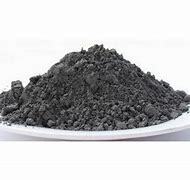
Low dust black silicon carbide powder is a processed form of synthetic SiC abrasive engineered to minimize the generation of airborne particulate during handling and application. This material retains the intrinsic properties of silicon carbide-extreme hardness, high thermal conductivity, and chemical inertness-while presenting a significantly improved workplace safety and process control profile. The ‘low dust’ characteristic is not inherent but achieved through specific manufacturing and post-treatment processes that control particle morphology and surface energy.

How is Low Dust Black Silicon Carbide Powder Made?
Manufacturers produce this powder by grinding high-purity synthetic black silicon carbide crystals, followed by a critical classification and surface treatment stage. The key step involves processes like micro-agglomeration control or the application of specialized surface coatings. These treatments modify the fine particles’ tendency to become airborne. Advanced classification ensures a consistent particle size distribution (PSD), which is crucial as a narrow PSD directly correlates to lower dusting and more predictable abrasive performance.
Expert Q&A: Your Top Questions Answered
What are the main advantages over regular SiC powder?
The primary advantage is operator and environmental safety. Respirable crystalline silica dust is a known occupational hazard. Low dust formulations drastically reduce this exposure risk. Secondary advantages include less material loss to the air, improved consistency in slurry-based applications, and cleaner work areas. Data from industrial hygiene assessments consistently show a 60-80% reduction in airborne particulate counts compared to standard grades.
Where is low dust black silicon carbide powder used?
Its applications align with standard black SiC but are favored where dust control is paramount. Major uses include precision lapping and polishing of semiconductor wafers, fine grinding of technical ceramics, and manufacturing advanced ceramic matrix composites (CMCs). In refractories, it is used in low-cement castables where dust during mixing compromises batch consistency. Its role in producing ultra-high temperature ceramic matrix composites (UHTCMCs) is growing, as precise, dust-free powder infiltration is critical for achieving a dense, defect-free matrix.
How does it compare to green silicon carbide or aluminum oxide?
Black silicon carbide is harder and more thermally conductive than aluminum oxide (Al2O3) but more brittle than green silicon carbide. The low dust variant maintains these core property differentials. Choose low dust black SiC for grinding materials with lower tensile strength, like grey iron, non-ferrous metals, and stone. Opt for low dust green SiC for harder ceramics like tungsten carbide. Select aluminum oxide for high-toughness steel applications. The ‘low dust’ benefit applies across all types, addressing a universal handling concern.

Critical Properties and Selection for Buyers
Beyond the dust specification, buyers must evaluate three core properties. First is hardness, measured on the Knoop or Mohs scale, defining cutting ability. Second is particle size distribution, which controls surface finish and material removal rate. Third is chemical purity; high-purity powder (SiC content >98.5%) is essential for applications involving advanced ceramics or semiconductors to prevent contamination. A reliable supplier will provide certified data sheets for PSD, chemical analysis, and bulk density.
Handling, Storage, and Safety Protocols
Even low dust powder requires proper handling. Store in a dry, sealed container to prevent moisture absorption and potential caking. Use local exhaust ventilation (LEV) during transfer and weighing. Operators should wear appropriate PPE, including NIOSH-approved dust masks or respirators, especially during prolonged tasks. Implement a housekeeping routine with HEPA-filtered vacuum systems-never use dry sweeping or compressed air, which can destroy the low-dust benefit and create a hazardous cloud.

The Future of Low Dust Abrasives
The trend is toward engineered particle surfaces. Think of a ‘double continuous structure’ concept borrowed from advanced CMCs: future powders may feature designed surface coatings that suppress dust while enhancing bonding in resin or metal matrices. The driving forces are stricter global workplace air quality regulations and the precision demands of industries like electric vehicle battery component machining and aerospace CMC production. Selecting a low dust silicon carbide powder is no longer just a safety choice; it is a strategic decision for process reliability and product quality. For engineers specifying abrasive media, evaluating a low dust black silicon carbide powder should be the first step in any new process design involving fine grinding or surface finishing.
eduloc founded on October 17, 2012, is a high-tech enterprise committed to the research and development, production, processing, sales and technical services of ceramic relative materials such as Low. Our products includes but not limited to Boron Carbide Ceramic Products, Boron Nitride Ceramic Products, Silicon Carbide Ceramic Products, Silicon Nitride Ceramic Products, Zirconium Dioxide Ceramic Products, etc. If you are interested, please feel free to contact us.
RELATED POSTS
Indium Telluride (InTe)-Powder

Manganese(II) nitrate hydrate (Mn(NO3)2•xH2O)-Lump

The properties and uses of boron carbide and its synthesis process

Will rising costs in Europe affect the 3D Printing Metal Powder use of nanomaterials
Silicon Carbide Lapping Powder for Glass & Quartz: Your Guide to Scratch-Free, Precision Finishes