High-Density Grinding Media Balls for Industrial Applications

Title: Mastering the Metal Marbles: A Global Game Plan for Stainless Steel Ball Supply Chains

(A Multinational ‘S Stainless Steel Ball Global Supply Chain Optimization Strategy)
The world runs on tiny, perfect spheres. Think about it. From the bearings in your skateboard to the valves in massive factories, stainless steel balls are everywhere. They might be small, but their impact is huge. Companies making and moving these metal marbles face big challenges. Getting them from the factory to the final user smoothly and cheaply is tough. This is where global supply chain optimization comes in. It’s about making the whole journey smarter, faster, and more reliable. Let’s dive into the world of stainless steel balls and see how companies are leveling up their supply chains.
1. What Exactly Are Stainless Steel Balls?
Stainless steel balls are precisely manufactured spheres made from stainless steel alloys. They come in many sizes, from tiny ones smaller than a pinhead to larger ones several inches across. People make them using special machines that shape and polish the steel until it’s perfectly round and smooth. The key is the material – stainless steel. This material resists rust and corrosion very well. It also handles high temperatures and heavy loads. This makes these balls perfect for tough jobs where regular steel would fail. You find them in all sorts of places. They are inside bearings that help wheels spin smoothly. They work as valves controlling the flow of liquids or gases. They act as grinding media in machines that mix or crush materials. They are even used in decorative items or as weights. Their strength, durability, and resistance to wear make them essential little components.
2. Why Optimize Their Global Supply Chain?
Moving stainless steel balls around the world is complicated. Raw materials like specific steel alloys might come from one country. The balls themselves might be made in another. Then, they need to get shipped to factories and companies all over the globe. This long journey creates many problems. Delays happen. Ships get stuck. Trucks break down. Customs paperwork causes hold-ups. These delays mean factories might run out of balls, stopping production. Costs pile up. Shipping fees change all the time. Storing lots of balls in warehouses costs money too. Keeping track of everything is hard. Knowing exactly where a shipment is, or how much stock is left in a warehouse overseas, isn’t easy. Quality control is another issue. Making sure every single ball meets strict standards requires good checks at every step. If a batch of bad balls gets through, it can cause machines to break down. Optimizing the supply chain tackles these headaches head-on. It aims to make everything flow better.
3. How Do Companies Optimize This Supply Chain?
Companies use several smart strategies to make their stainless steel ball supply chain work better. First, they look closely at where things are made. Sometimes it makes sense to make balls closer to where they will be used. This cuts down on long shipping times and costs. Other times, making them in one big, efficient factory is cheaper overall. Finding the right balance is key. Second, they build strong partnerships. They work closely with reliable suppliers of raw steel. They team up with trustworthy shipping companies and freight forwarders. Good relationships mean better service and fewer surprises. Third, technology is a big help. Advanced software tracks shipments in real-time. It manages warehouse stock levels automatically. It helps plan production schedules based on actual orders. This tech gives companies a clear view of their whole operation. Fourth, they focus on making their factories better. Using modern machines reduces waste and speeds up production. Lean manufacturing principles help cut out unnecessary steps. This means balls get made faster and with higher quality. Finally, they think carefully about where to put their warehouses. Placing stock closer to big customer hubs means faster delivery times. It also reduces the risk of running out.
4. Where Are These Tiny Titans Used?
Stainless steel balls are hidden heroes in countless industries. Automotive is a huge user. Cars, trucks, and motorcycles rely on them for wheel bearings, transmission parts, and fuel injectors. They ensure smooth, quiet operation and long life. Aerospace demands the highest quality. Aircraft engines and landing gear use special, high-grade stainless steel balls. They must perform perfectly under extreme stress and temperature changes. Industrial machinery depends on them. Pumps, compressors, and heavy equipment use balls in bearings and valves. They handle tough conditions like high pressure and corrosive chemicals. The medical field uses them too. Precision instruments and dental tools often incorporate small, ultra-clean stainless steel balls. Consumer goods aren’t left out. Bicycles, rollerblades, fishing reels, and even some kitchen gadgets use them for smooth motion. Basically, anywhere something needs to roll, seal, control flow, or bear a load reliably, these little metal spheres are probably involved.
5. Stainless Steel Balls: Your Questions Answered
People often have questions about stainless steel balls and their supply. Here are some common ones:
What sizes are available? Stainless steel balls come in a vast range. Sizes start from a tiny fraction of a millimeter (like 0.5mm) and go up to several inches (like 150mm or more). Specific sizes are chosen based on the application.
What grades of stainless steel are used? Common grades include 304 and 316 stainless steel. Grade 304 offers good general corrosion resistance. Grade 316 provides even better resistance, especially against salts and acids, making it ideal for marine or chemical environments. Other specialty grades exist for unique needs.
How precise are they? Precision is crucial. Balls are graded based on how perfectly round they are (sphericity) and how consistent their size is (diameter tolerance). High-precision balls have extremely tight tolerances, essential for sensitive equipment like bearings.
Are they magnetic? This depends on the stainless steel grade. Common austenitic grades like 304 and 316 are generally non-magnetic. Some martensitic or ferritic grades can be magnetic. The magnetic property is important for certain applications.
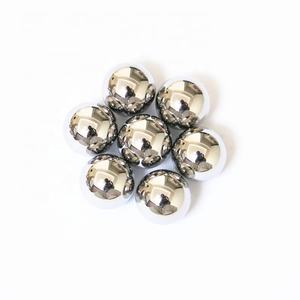
(A Multinational ‘S Stainless Steel Ball Global Supply Chain Optimization Strategy)
Why optimize the supply chain? Isn’t it cheaper just to make them in one place? While making them in one location might seem simpler, it often isn’t the most efficient. Long shipping distances cause delays and increase costs (freight, fuel, insurance). Keeping large inventories ties up money. Optimizing the chain – considering production location, transportation, warehousing – aims for the best overall cost, speed, and reliability. It’s about the total picture, not just the manufacturing cost.
RELATED POSTS
Dolomite A common rock-forming mineral and the primary constituent of a sedimentary rock known as "dolostone" Article by: Hobart M. King, PhD, RPG

Is 1000 Grit Abrasive Powder the Best Choice for Between-Coat Auto Sanding?
Photovoltaic Industry Promotes The Growth Of Silicon Carbide Ball Market
High purity antimony tin oxide ATO powder cas 128221-48-7
Water-Based Calcium stearate as lubricant