High-Density Grinding Media Balls for Industrial Applications

Key takeaways
- The 50% equipment life extension is a reported relative improvement in maintenance interval, not a universal guarantee.
- Zirconium dioxide balls can reduce wear on mill components because they are hard, dense, and wear-resistant.
- A 50% improvement is more plausible when media wear was a dominant cause of equipment degradation.
- Mill load capacity, media size, and chemical compatibility should be checked before switching to zirconia media.
- Measuring maintenance intervals and media consumption before and after a change helps verify any improvement.
- The case study does not claim that zirconia balls are suitable for every application or that they alone cause longer equipment life.
What Does "Extended Equipment Life by 50%" Mean in a Zirconium Dioxide Ball Case Study?
In this case study, "extended equipment life by 50%" refers to a reported increase in the operating interval before maintenance or replacement of grinding equipment components after switching to zirconium dioxide (zirconia) grinding balls. The claim describes a relative change in service interval, not a guarantee that every mill will achieve the same result. The outcome depends on the mill type, the material being ground, operating parameters, and the condition of the equipment before the change.
Zirconium dioxide balls are a type of ceramic grinding media known for high density, high hardness, and low wear rate compared with some alternative media. In a grinding or dispersion process, the media wear and the mechanical stress they place on the mill interior both influence how long equipment parts last. When media wear is reduced, there is often less contamination and less abrasive load on liners, agitators, and pumps, which can contribute to longer service intervals.
This article explains the general mechanism behind such an improvement, the conditions under which a 50% extension is plausible, and the factors that determine whether a similar result can be expected in another operation. It does not present the original client's confidential data, and it does not claim that zirconium dioxide balls will always produce a 50% improvement. Instead, it treats the case study as an example of how media selection can affect equipment life when the application is matched correctly.
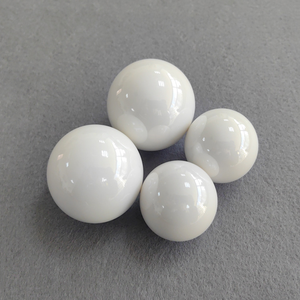
Why Zirconium Dioxide Balls Can Reduce Wear on Grinding Equipment
The main reason zirconium dioxide balls can help extend equipment life is their wear resistance. Compared with media such as alumina or steel, zirconia balls typically have a lower wear rate in many wet and dry grinding applications. Lower media wear means fewer fine particles are generated from the media itself, and the mill interior is exposed to less abrasive debris. This can reduce the rate at which liners, discs, and other components degrade.
A second factor is density. Zirconium dioxide balls are denser than many ceramic alternatives, which allows them to transfer more energy to the material being ground. In some processes, this means the same grinding result can be achieved in less time or with lower mill speed. Reduced operating time or lower mechanical load can translate into less cumulative stress on bearings, shafts, and motors. However, higher density also means higher mass, so the mill must be rated for the additional load. If the equipment is not suitable, the change could increase stress rather than reduce it.
A third factor is shape and surface quality. Well-made zirconium dioxide balls have a smooth surface and consistent sphericity. This reduces friction and impact concentration on the mill walls and agitator. In stirred media mills, for example, irregular or broken media can cause localized wear. Consistent, round media distribute forces more evenly. The result is not automatic, but under the right conditions it supports longer equipment life.
Conditions That Make a 50% Equipment Life Extension Plausible
A 50% extension in equipment life is a significant improvement, and it is more likely to be reported when the previous media were wearing quickly or causing frequent maintenance. If the original grinding media were low-cost but high-wear, the mill may have been suffering from repeated liner replacement, pump blockage, or contamination issues. Switching to a more wear-resistant media such as zirconium dioxide balls can reduce those problems, and the relative improvement can be large.
The material being ground also matters. Hard, abrasive minerals or aggressive chemical slurries can shorten equipment life regardless of media choice. In such cases, zirconia balls may still reduce media wear, but the overall equipment life extension may be limited by the abrasive nature of the product itself. Conversely, in applications where media wear is the dominant cause of equipment degradation, the improvement can be more pronounced.
Operating parameters are another condition. Mill speed, fill ratio, slurry viscosity, and temperature all affect wear. If the process was previously running at an excessive speed or with an unsuitable media size, correcting those parameters alongside the media change can contribute to longer life. The case study's 50% figure should therefore be understood as the result of a combination of factors, not as a property of zirconium dioxide balls alone.

How to Evaluate Whether Zirconium Dioxide Balls Fit Your Equipment
Before expecting a similar equipment life improvement, it is important to check whether zirconium dioxide balls are compatible with the mill. The first consideration is the mill's maximum load capacity. Zirconia media are denser than many alternatives, so the total mass of the media charge will be higher for the same volume. The mill manufacturer's specifications should be reviewed to confirm that the motor, shaft, and bearings can handle the additional weight.
The second consideration is the desired particle size and grinding energy. Zirconium dioxide balls are available in different diameters. Smaller balls provide more contact points and are often used for fine grinding, while larger balls deliver more impact energy for coarse grinding. Choosing the right size helps achieve the target particle size without overworking the mill. If the media are too large or too small, the mill may need to run longer or at higher intensity, which can offset the wear benefits.
The third consideration is chemical compatibility. Zirconia is generally chemically stable, but the binder or stabilizer used in some balls may not suit every slurry. For example, acidic or high-pH environments can affect certain ceramic materials over time. Reviewing the media specification and, if needed, running a small-scale trial can help confirm suitability. A trial also provides a way to measure actual wear and equipment performance before committing to a full change.

Measuring Equipment Life Improvement in Your Own Process
To determine whether zirconium dioxide balls extend equipment life in a specific process, it is necessary to measure before and after. A simple approach is to record the operating hours between maintenance events, such as liner inspection or replacement, and compare the intervals. It is also useful to track media consumption, product contamination, and energy use per ton of product. These indicators together give a more complete picture than a single number.
The 50% figure in the case study is a relative comparison. If the previous maintenance interval was 1,000 hours, a 50% extension would mean 1,500 hours. If the previous interval was 4,000 hours, the same percentage would mean 6,000 hours. The absolute change depends on the baseline. Therefore, when evaluating a similar change, the starting point and the measurement method should be clearly defined.
It is also important to separate the effect of the media from other changes. If the mill was also relined, the slurry formulation adjusted, or the operating speed changed at the same time, the improvement cannot be attributed to the media alone. A controlled trial, where only the media are changed, provides the clearest evidence. Where a full controlled trial is not practical, documenting all simultaneous changes helps interpret the results.
Limitations and What the Case Study Does Not Claim
This case study does not claim that zirconium dioxide balls will extend every mill's equipment life by 50%. It also does not claim that zirconia media are suitable for all applications. The reported improvement is specific to the client's process, equipment, and operating conditions. Without access to the original data, the 50% figure should be treated as an example rather than a benchmark.
The case study also does not claim that zirconium dioxide balls are the only way to achieve longer equipment life. Other factors, such as proper maintenance, correct media size, and optimized operating parameters, can also contribute. In some cases, a different media material or a different mill configuration may be more appropriate. The goal is to match the media to the application, not to assume that one material is universally best.
Finally, the case study does not provide a guarantee of performance. Any change to grinding media should be evaluated with a trial or a careful review of the process. The information here is intended to explain the general mechanism and the conditions under which a significant improvement is possible, so that readers can assess whether a similar approach might be relevant to their own equipment.

Frequently asked questions
Does the case study guarantee a 50% equipment life extension for all mills?
No. The 50% figure is a reported result from a specific client's process. It depends on the mill type, material being ground, operating parameters, and the condition of the equipment. Other operations may see a different result, and some may see no improvement.
What makes zirconium dioxide balls different from other grinding media?
Zirconium dioxide balls are ceramic media known for high density, high hardness, and low wear rate. These properties can reduce media wear and the abrasive load on mill components, but they also increase the media charge weight, so the mill must be rated for the additional load.
How can I tell if zirconium dioxide balls are right for my equipment?
Check the mill's maximum load capacity, select a suitable ball diameter for your target particle size, and review chemical compatibility with your slurry. A small-scale trial can help confirm performance before a full change.
What should I measure to evaluate equipment life improvement?
Record operating hours between maintenance events, media consumption, product contamination, and energy use per ton. Compare these indicators before and after the media change, and note any other simultaneous process changes.
About Us
We are a professional supplier of high-performance grinding media, including alumina, silicon carbide, zirconia, and stainless steel balls. Our products serve lithium batteries, semiconductors, photovoltaics, and ceramics. With advanced technology and strict quality control, we deliver reliable quality, customized solutions, and fast delivery to global partners.
RELATED POSTS
Why does concrete bleed water and how to solve it?
Cesium Chloride (CsCl)-Pieces

Potassium Silicate: Driving Innovation and Sustainability Across Industries potassium silicate concrete

Production Technology and Market Prospects of Sodium Silicate organic silica fertilizer

Difference analysis between early strength agent and superplasticizer for concrete
