High-Density Grinding Media Balls for Industrial Applications

Black Silicon Carbide for Sandblasting: A Technical Overview
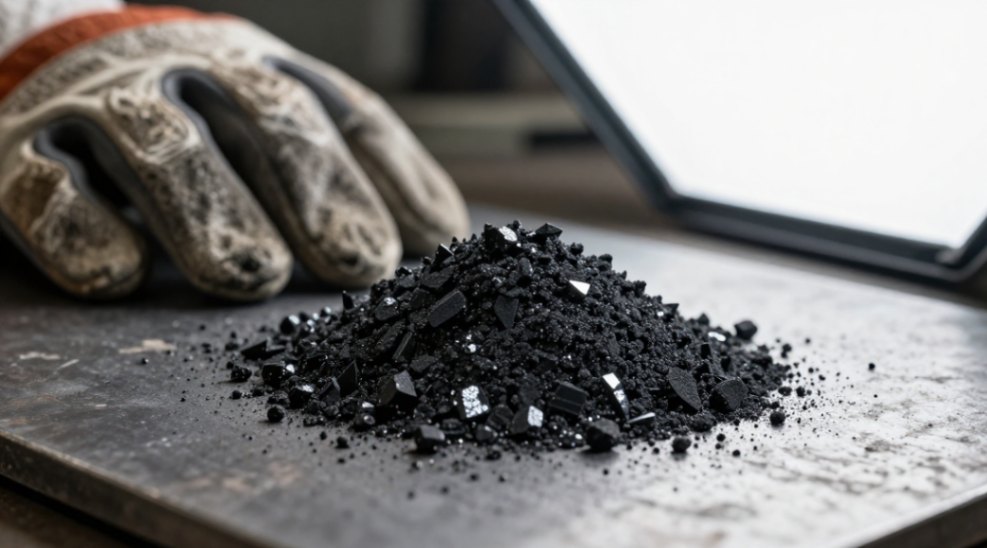
Black silicon carbide is a synthetic, sharp, blocky-grained abrasive created by fusing high-purity silica sand and petroleum coke at extreme temperatures. Its extreme hardness (Mohs 9.5) and friable nature make it a premier choice for industrial surface preparation and etching.
Technical Specifications and Properties
- Hardness: Mohs 9.5, second only to diamond and boron carbide. This ensures fast cutting on hard surfaces.
- Grain Shape: Sharp, angular, and blocky. This creates an aggressive, crisp surface profile ideal for coating adhesion.
- Friability: Grains fracture under pressure, creating new sharp edges. This self-sharpening action maintains cutting efficiency longer than tougher abrasives.
- Chemical Inertness: Resists chemical reactions, preventing contamination of sensitive substrates like stainless steel or titanium.
Comparative Analysis vs. Common Abrasives
Choosing the right abrasive requires a clear understanding of trade-offs. Here is an objective comparison to support your decision.
Black Silicon Carbide vs. Aluminum Oxide
- Black SiC Advantages: Cuts faster and cleaner on extremely hard materials (e.g., tungsten carbide, ceramics). Produces a sharper, more defined anchor profile. Less embedment risk on softer metals.
- Black SiC Disadvantages: Higher cost per pound. More brittle, leading to faster breakdown in heavy-duty blast cabinets. Not ideal for general-purpose cleaning on mild steel.
- Best For: Precision etching, mold cleaning, finishing hardened steel, and preparing superalloys.
Black Silicon Carbide vs. Garnet
- Black SiC Advantages: Dramatically faster cutting speed. Can be recycled more times in closed-loop systems before losing effectiveness. Creates a superior, cleaner profile for high-performance coatings.
- Black SiC Disadvantages: Significantly higher initial cost. Generates more dust, requiring robust dust collection. Faster nozzle wear.
- Best For: Applications where time is critical or where garnet fails to cut adequately, such as removing thermal spray coatings or profiling granite.
Critical Application Guidelines and Selection
Recommended Substrates
Use black silicon carbide on materials where its benefits justify the cost:
- Metals: Hardened tool steel, stainless steel, titanium, Inconel, and other nickel-based superalloys.
- Non-Metals: Glass, ceramics, technical stone (e.g., granite countertop profiling), and certain reinforced composites.
- Avoid On: Soft aluminium, wood, or plastics, as it will cause excessive material removal and waste.
Grit Size Selection Guide
- Coarse Grits (12/20 to 36/60): Use for rapid stock removal, heavy rust or scale cleanup, and creating deep anchor profiles.
- Medium Grits (46/70 to 80/120): The most common range for general surface preparation (SA 2.5/3) before painting or coating.
- Fine Grits (150/220 and finer): Employ for cosmetic finishing, light etching, matte finishing on glass or stone, and cleaning delicate parts without altering dimensions.
Operational Considerations and Safety
Handling black SiC requires specific precautions due to its density and dust generation.
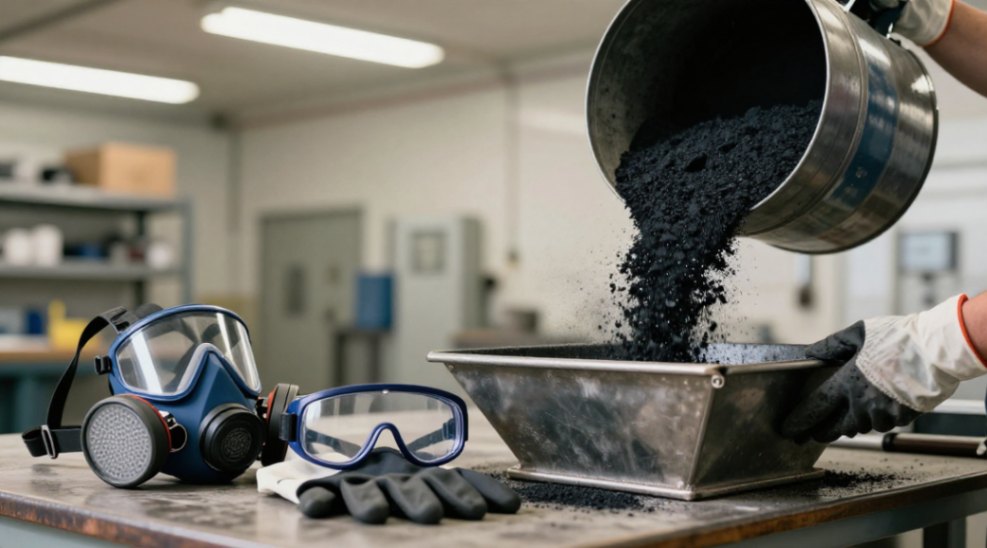
- Equipment Wear: Expect faster wear on blast nozzles (especially venturi types), hoses, and gloves. Use tungsten carbide or boron carbide liners for nozzles.
- Dust Control: Silica dust is a respiratory hazard. Always use a high-efficiency dust collector and ensure operators wear NIOSH-approved respirators.
- Containment & Recycling: Best used in a closed-loop blast room or cabinet with a high-quality abrasive recovery and separation system to manage cost.
- Surface Cleanliness: After blasting, thoroughly clean the surface with dry, oil-free air to remove any embedded abrasive dust before applying coatings.
Conclusion and Final Recommendation
Black silicon carbide powder is a specialized, high-performance tool. Its superiority lies in speed and finish quality on hard, dense materials. For cleaning soft steel or general maintenance, aluminum oxide or garnet offer better value. For precision work on aerospace components, tooling, or stone, black SiC is unmatched.
Your Next Step: Test it. Purchase a small quantity (e.g., 25 lbs) of 80-grit black SiC and run a side-by-side comparison with your current media on a sample part. Evaluate the surface profile, cleaning rate, and media consumption. The data will justify the investment.
eduloc founded on October 17, 2012, is a high-tech enterprise committed to the research and development, production, processing, sales and technical services of ceramic relative materials such as How. Our products includes but not limited to Boron Carbide Ceramic Products, Boron Nitride Ceramic Products, Silicon Carbide Ceramic Products, Silicon Nitride Ceramic Products, Zirconium Dioxide Ceramic Products, etc. If you are interested, please feel free to contact us.
RELATED POSTS
Whether there is any impact on the boiler water sample cooler market due to the significant drop in global demand for naphtha
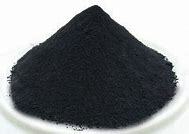
Iron(II) sulfate heptahydrate (FeSO4•7H2O)- Crystalline
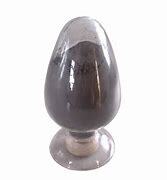
Zinc Antimony (Zn3Sb2)-Sputtering Target
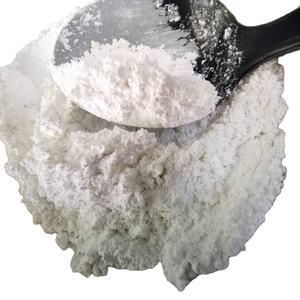
Manganese Iodide (MnI2)-Beads
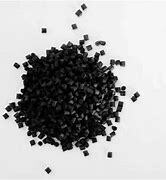
Sodium selenate decahydrate (Na2SeO4•10H2O)-Crystalline