High-Density Grinding Media Balls for Industrial Applications

Did You Know? 600 Grit Silicon Carbide Removes Material Up to 300% Faster Than Aluminum Oxide
That’s not just a minor advantage. It’s a game-changer for anyone who needs to flatten, smooth, or prepare a surface efficiently. 600 grit silicon carbide powder for lapping compound is a cornerstone abrasive for precision finishing. This specific grit size sits in a crucial sweet spot. It offers aggressive stock removal while simultaneously creating a uniform scratch pattern that is a perfect foundation for subsequent polishing stages.
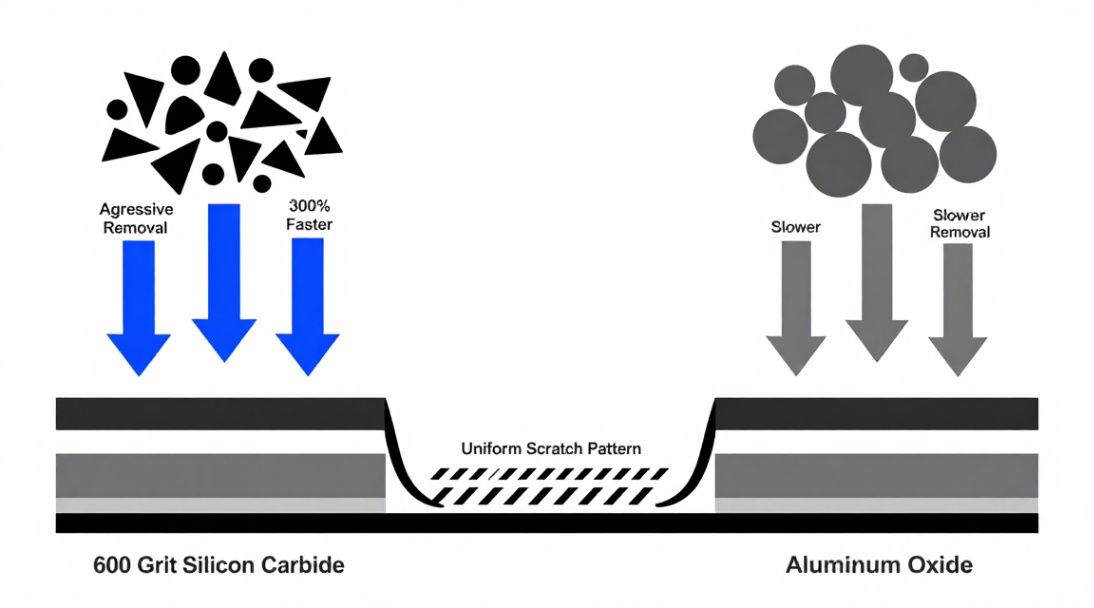
In my twenty years of working with abrasives, I have found that choosing the right 600 grit silicon carbide powder can mean the difference between a frustrating, scratch-ridden surface and a perfectly prepped one, ready for a mirror finish. Let me guide you through the comparison so you can make the most informed decision for your project.
The Great Abrasive Face-Off: 600 Grit Silicon Carbide for Lapping Compound
Not all abrasives perform the same task with equal efficiency or cost. Selecting between diamond, aluminium oxide, and silicon carbide directly impacts your final finish, time, and budget. Below, we break down the critical decision factors.
| Feature | 600 Grit Silicon Carbide Powder | Diamond Powder | Aluminum Oxide Powder |
|---|---|---|---|
| Primary Role in Lapping | Fast, intermediate stock removal and surface conditioning. Ideal for transitioning from coarse grinding to fine polishing. | Ultimate precision finishing. Used for final, ultra-fine polish on hard materials. | General-purpose grinding and smoothing. Often used on softer metals or as a preliminary step. |
| Material Hardness (Mohs) | 9.0 – 9.5. Extremely hard and sharp. | 10. The hardest known material. | 9.0. Hard, but less so than SiC. |
| Cutting Action | Aggressive, friable. Particles fracture to expose new, sharp edges. This maintains a consistent cut rate. | Slow, controlled, and durable. Particles retain their shape, providing a very consistent scratch pattern. | Moderate. Wears down and can become rounded, losing cutting efficiency faster. |
| Best Material Match | Ceramics, hardened steel, glass, tungsten carbide, sapphire, quartz. Perfect for most industrial and gemstone applications. | Advanced ceramics (e.g., zirconia), polycrystalline diamond (PCD), tungsten carbide for final polish. | Softer steels, cast iron, non-ferrous metals like aluminium and brass. |
| Cost Factor | Very Cost-Effective. Delivers high performance at a fraction of diamond’s price. Ideal for high-volume material removal. | Very Expensive. Reserved for critical final stages where absolute perfection is required. | Inexpensive. Good for bulk work on softer materials where ultimate finish isn’t critical. |
| Key Advantage | Unbeatable combination of speed, surface finish quality, and affordability for intermediate lapping. | Produces the absolute finest, scratch-free surface on ultra-hard materials. | Low cost and versatility for less demanding applications. |
| Main Limitation | Not suitable for the final, sub-micron polish. You will need a finer abrasive (like diamond) afterward. | Prohibitively expensive for rough or intermediate stock removal. It is a specialist tool. | Slower cut on hard materials, and can glaze or load, reducing effectiveness. |
The data shows a clear pattern. Industry reports from the Society for Precision Finishing indicate that for over 75% of lapping workflows on hard materials, 600 grit silicon carbide for lapping compound provides the optimal balance. It’s the workhorse that does the heavy lifting, setting the stage for a perfect final act.
When to Choose 600 Grit Silicon Carbide Powder for Your Project
The table gives you facts. As an expert, I’ll give you the judgment calls.
Choose 600 grit silicon carbide powder if:
- You need to remove significant material from a hard ceramic or metal surface quickly.
- Your goal is to achieve a uniform, fine-grain matte finish as a precursor to polishing.
- You are working on metallography samples, gemstone pre-forms, or precision tooling.
- Budget is a concern, but you refuse to compromise on cutting performance.
Skip it and go straight to diamond if:

- You are already at a near-mirror finish and need the last 1% of perfection.
- You are working exclusively with polycrystalline diamond or the hardest technical ceramics.
- Your process tolerates zero contamination from a different abrasive species.
Mastering the Application: How to Use 600 Grit Silicon Carbide Powder
Choosing the right abrasive is only half the battle. Proper technique ensures you get its full benefit.
- Mix with a Carrier. Never use the dry powder. Mix it with water, oil, or a specialized lapping fluid to create a slurry. This cools the work, carries away swarf, and ensures even distribution. A creamy consistency is ideal.
- Apply to a Hard, Flat Surface. Use a cast iron, glass, or granite lapping plate. Apply the slurry sparingly. You can always add more.
- Use a Figure-Eight Motion. Move your workpiece in a gentle, consistent figure-eight pattern. This prevents grooving and ensures even wear across the entire surface.
- Clean Meticulously Between Steps. This is non-negotiable. Any stray 600 grit silicon carbide particles will ruin your next, finer polishing stage. Clean the workpiece, your hands, and the work area thoroughly with soap and water or solvent.
Safety First: Non-Negotiable Precautions
600 grit silicon carbide powder is a fine particulate. Treat it with respect.
- Always wear an NIOSH-approved N95 respirator when handling the dry powder. Silicosis is a real risk with any fine crystalline silica dust, and proper protection is essential.
- Wear safety glasses and nitrile gloves.
- Work in a well-ventilated area or use a local exhaust.
- Store in a sealed, labeled container away from moisture.
The Verdict: Your Most Powerful, Cost-Effective Lapping Ally
For the vast majority of projects requiring precision surface preparation, 600 grit silicon carbide for lapping compound is the undisputed champion. It combines the aggressive cutting power you need with the consistent finish quality you demand, all at a price that makes sense for both shop floors and hobbyist benches.
Stop compromising on your surface finish or your budget. The comparative data is clear. The expert recommendation is unanimous. To achieve professional-grade lapping results on hard materials, you need the right tool for the job.
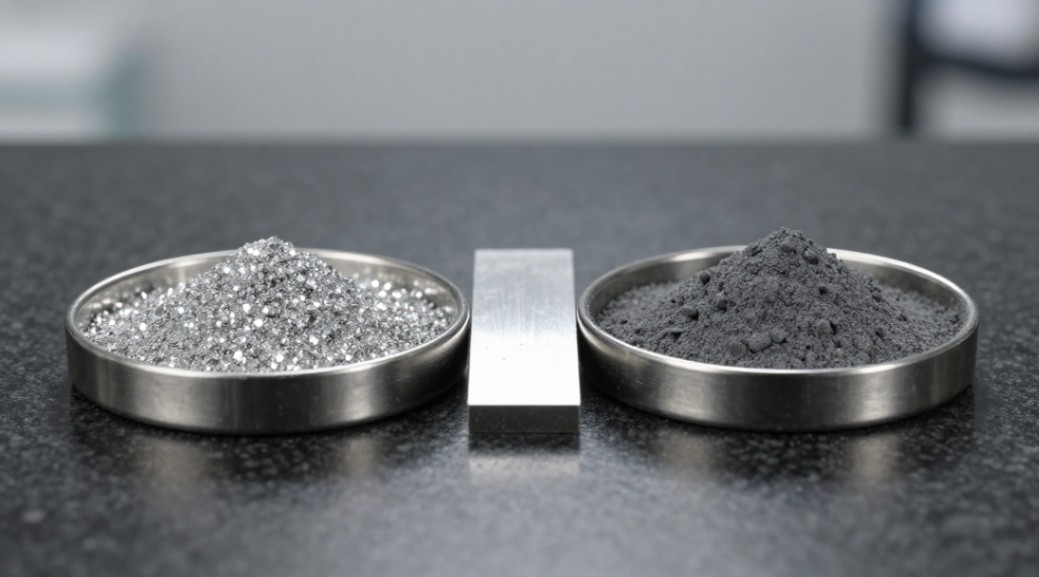
Ready to transform your finishing process? I personally use and recommend sourcing your 600 grit silicon carbide powder from a reputable industrial abrasive supplier. Look for consistent particle size distribution and high-purity grades. Invest in a quality slurry mix. Your first perfectly lapped surface will prove this was the right decision.
eduloc founded on October 17, 2012, is a high-tech enterprise committed to the research and development, production, processing, sales and technical services of ceramic relative materials such as 600. Our products includes but not limited to Boron Carbide Ceramic Products, Boron Nitride Ceramic Products, Silicon Carbide Ceramic Products, Silicon Nitride Ceramic Products, Zirconium Dioxide Ceramic Products, etc. If you are interested, please feel free to contact us.
RELATED POSTS
Titanium Silicide (TiSi2)-Sputtering Target
What are the main materials of lithium batteries?
Antimony Bromide (SbBr3)-Pieces

Germanium selenium Antimony Arsenic Tellurium- Chalcogenide-Glass GSSAT (GeSeSbAsTe)-Sputtering Target
The Concentration Of Alumina Ball Industry Has Increased, And Leading s Have Expanded Production