High-Density Grinding Media Balls for Industrial Applications

Title: Brittle No More: Alumina Balls Get a Toughness Upgrade with Grain Magic
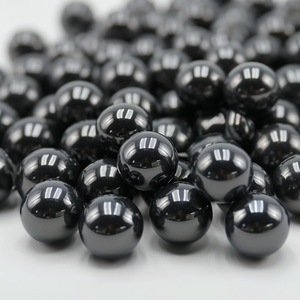
(Alumina Ball Grain Boundary Engineering Solves Brittleness Problem)
1. What is Alumina Ball Grain Boundary Engineering?
Alumina balls are tiny ceramic spheres used in things like industrial grinders or bearings. They are made of aluminum oxide. But they break easily. Grain boundary engineering fixes this. Think of grains as microscopic rock chunks inside the ball. Boundaries are where these chunks meet. Weak boundaries make alumina balls shatter. Grain boundary engineering rearranges these meeting points. It makes boundaries stronger. Scientists use heat treatments or chemical additives. This changes how grains connect. The result? Alumina balls stop being fragile. They handle stress better.
2. Why Do Alumina Balls Face Brittleness Problems?
Alumina balls crack under pressure. Brittleness costs industries time and money. Imagine a ball mill in a mine. Alumina balls crush ore. If they fracture, machinery stops. Production halts. Why does brittleness happen? First, alumina is naturally stiff. Stiff materials don’t bend. They snap. Second, grain boundaries are messy. Impurities gather there. Cracks start at these spots. Temperature changes make it worse. Cold makes alumina shrink. Heat makes it expand. This stress cracks weak boundaries. Traditional alumina balls have random grains. That’s like a wall with loose bricks. Grain boundary engineering builds a stronger wall.
3. How Does Grain Boundary Engineering Solve Brittleness?
Engineers tweak the grain structure. Step one: purify the alumina. Fewer impurities mean cleaner boundaries. Step two: control grain size. Tiny grains pack tightly. They leave fewer gaps for cracks. But grains can’t be too small. Engineers find the sweet spot. Step three: align boundaries. Special heating cycles make grains lock together. It’s like puzzle pieces fitting perfectly. Step four: add reinforcements. Tiny amounts of magnesia or zirconia boost boundary strength. These additives act as glue. They absorb shock. Tests show engineered alumina balls survive drops, heat, and pressure. They bounce back. Literally.
4. Applications of Tougher Alumina Balls
Stronger alumina balls change industries. In chemical plants, they stir corrosive mixtures. Old balls eroded fast. Grain-toughened balls last months longer. Electronics benefit too. Phone screens need perfect polishing. Brittle alumina scratched screens. Engineered balls polish smoothly. No defects. Medical devices use them too. Hip implants require flawless surfaces. Tough alumina balls grind them shiny. Catalysts rely on them. Oil refineries pack reactors with alumina balls. They hold catalyst powders. Weak balls crumbled. Grain-optimized balls withstand years of chemical abuse. Even space tech uses them. Satellite bearings face extreme cold. Standard alumina would shatter. Grain-boundary-hardened balls don’t.
5. FAQs on Alumina Ball Grain Boundary Engineering
Q1: Is this process expensive?
Not really. It adds 5-10% to production costs. But lifespan doubles. You save on replacements.
Q2: Can old alumina balls be upgraded?
No. Engineering happens during manufacturing. You can’t retrofit existing balls.
Q3: Do engineered balls work in wet environments?
Yes. Grain boundaries resist water corrosion. They outperform standard balls in humidity.
Q4: How long do they last?
Tests show 2-3 times longer life in grinders. Real-world use confirms this.
Q5: Are there limits to size?

(Alumina Ball Grain Boundary Engineering Solves Brittleness Problem)
Currently, balls under 1mm are tricky. But tech advances fast. Bigger balls are easy.
RELATED POSTS
The method and principle of sodium silicate solution removal sodium silicate liquid
Study On Early Strength Effect of Lithium Carbonate On Mortar
What Benefits does Zinc Oxide Have to the Skin?

Aluminum Titanium Carbide (AlTiC)-Powder
What are the Characteristics of Nitinol?