High-Density Grinding Media Balls for Industrial Applications


PRODUCT PARAMETERS
Description
Overview of Refractory Cordierite Mullite Ceramic Plate / Batt / Slab for Ceramic Kiln Shelves
Mullite ceramic, named after the Isle of Mull in Scotland where it was first discovered, is a synthetic or naturally occurring compound of alumina (Al₂O₃) and silica (SiO₂), typically with a composition of 3Al₂O₃·2SiO₂. It is one of the most important engineering ceramics for high-temperature applications due to its exceptional stability and performance under extreme conditions.
Mullite is characterized by its acicular (needle-like) crystal structure, which contributes to its excellent mechanical strength and thermal properties. As a refractory material, it forms the backbone of many industrial processes, serving as a reliable solution where other materials would succumb to thermal shock, creep, or chemical corrosion. Our mullite industrial ceramics are engineered to provide superior purity and consistent density, ensuring long-lasting service life in the most demanding environments.
Features of Refractory Cordierite Mullite Ceramic Plate / Batt / Slab for Ceramic Kiln Shelves
Our mullite ceramic products are distinguished by a unique combination of physical and chemical properties:
- Excellent Thermal Shock Resistance: The low coefficient of thermal expansion (CTE) of mullite allows it to withstand rapid temperature changes without cracking, making it ideal for cycled heating processes.
- High-Temperature Stability: With a high melting point (approx. 1830°C / 3326°F) and low thermal conductivity, it maintains structural integrity and dimensional stability in continuous high-heat environments.
- Low Thermal Expansion: Ensures dimensional accuracy and reduces stress during thermal cycling.
- Good Chemical Inertness: Resistant to corrosion from molten metals, slags, and most chemicals, with the exception of hydrofluoric acid.
- High Creep Resistance: Maintains its shape and strength under long-term mechanical load at elevated temperatures.
- Excellent Dielectric Properties: Possesses high electrical resistivity and a low dielectric constant, making it useful for electrical insulation at high frequencies and temperatures.

Specifications of Refractory Cordierite Mullite Ceramic Plate / Batt / Slab for Ceramic Kiln Shelves
Refractory Cordierite Mullite Porcelain Plate for Kiln Shelves
Product Composition
Strong and dependable, these kiln racks are made from a blend of cordierite and mullite. This mix offers home plate superb thermal shock resistance and lengthy service life. The material stays stable also under repeated home heating and cooling cycles.Key Specs
The conventional density arrays from 15 mm to 25 mm, however personalized dimensions are offered. Usual dimensions consist of 300 × 300 mm, 450 × 450 mm, and 600 × 600 mm. Each plate is precision-cut for monotony and harmony. The optimum working temperature reaches up to 1,350 ° C (2,462 ° F), making it suitable for a lot of ceramic shooting procedures.Performance Features
Solid thermal shock resistance stops cracking throughout fast temperature level changes. Reduced thermal growth suggests home plate keeps its shape over time. It additionally has low porosity, which lowers polish attachment and makes clean-up simpler after each firing. The surface area stays smooth and flat, sustaining even weight circulation for ware inside the kiln.Applications
These plates work well in electric, gas, and wood-fired kilns. They are ideal for pottery workshops, tile makers, and industrial ceramic manufacturing. Use them as racks, batts, or pieces– whichever fits your configuration best.Handling and Treatment
Constantly take care of with like avoid damaging sides. Store plates on a level surface when not in use. Stay clear of abrupt impacts or uneven loading during firing. With appropriate usage, each rack can last with hundreds of shootings without buckling or breaking.
Applications of Refractory Cordierite Mullite Ceramic Plate / Batt / Slab for Ceramic Kiln Shelves
Applications of Refractory Cordierite Mullite Porcelain Plate/ Batt/ Slab
Kiln Shelves Built to Last
Refractory cordierite mullite ceramic plates, also called batts or pieces, are commonly utilized as kiln shelves in ceramic firing. These shelves hold pottery, floor tiles, and other ceramic ware during high-temperature procedures. Their solid structure supports hefty tons without deforming or fracturing. High Warmth Resistance These ceramic racks work well at temperatures as much as 1300 ° C (2372 ° F). The mix of cordierite and mullite provides exceptional thermal shock resistance. This indicates they can manage fast cooling and heating without breaking. Potters and suppliers rely upon this feature for consistent outcomes. Lightweight Yet Solid Contrasted to other refractory materials, cordierite mullite racks are lighter. This makes loading and dumping less complicated. Despite their reduced weight, they stay rigid under stress. They do not droop also after repeated shootings. Clean Surface Area Complete The smooth surface area of these shelves protects against glaze or clay from sticking. This reduces waste and saves time throughout clean-up. Customers usually apply a slim coat of kiln wash for extra protection, but the base material currently resists bond well. Flexible Use Throughout Industries Art workshops, tile makers, sanitaryware manufacturers, and technological ceramic manufacturing facilities all utilize these racks. They fit electric, gas, and wood-fired kilns. Whether firing tiny art pieces or large industrial parts, the shelves deliver stable performance. Long Life Span Since they withstand thermal exhaustion and mechanical wear, these shelves last much longer than lots of alternatives. Fewer substitutes suggest reduced costs in time. Users obtain dependable assistance batch after set.
Company Introduction
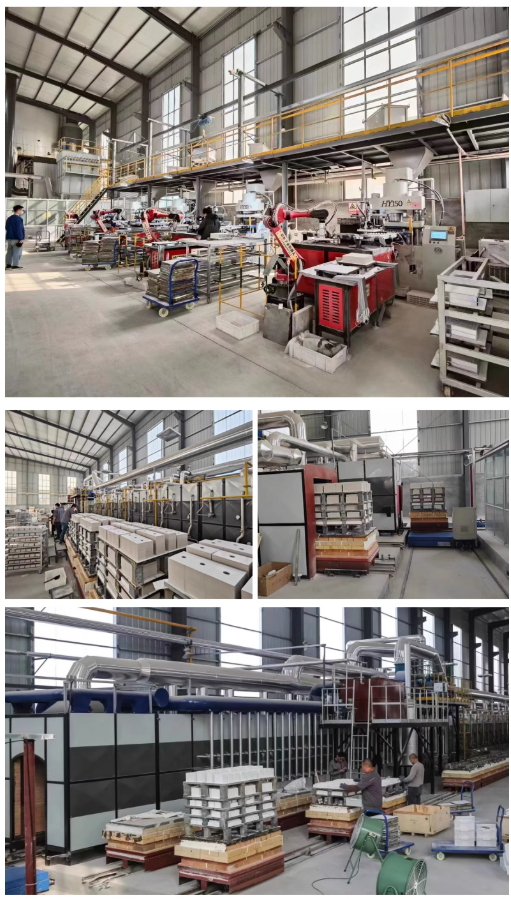
Welcome to Eduloc, a leading global supplier of high-quality ceramic grinding balls. Our product range includes Zirconia (ZrO₂), Alumina (Al₂O₃), and Silicon Carbide (SiC) grinding balls, designed for industries such as mining, chemicals, coatings, electronics, and pharmaceuticals. We are committed to providing durable and efficient grinding solutions tailored to our customers’ diverse needs. With advanced manufacturing technology and stringent quality control, our ceramic grinding balls excel in wear resistance, corrosion resistance, and thermal stability. Partner with us for reliable products and exceptional service that enhance your production efficiency and reliability.
If you have any questions, please feel free to contact us.
Payment Methods
T/T, Western Union, Paypal, Credit Card etc.
Shipment Methods
By air, by sea, by express, as customers request.

5 FAQs of Refractory Cordierite Mullite Ceramic Plate / Batt / Slab for Ceramic Kiln Shelves
What is a cordierite-mullite ceramic plate used for?
Cordierite-mullite ceramic plates are kiln shelves. Potters and ceramic makers use them inside electric, gas, or wood-fired kilns. These shelves hold pottery, tiles, or other ceramic items during firing. The material resists high heat and thermal shock, so it stays strong through repeated firings.
Why choose cordierite-mullite over other kiln shelf materials?
This mix of cordierite and mullite gives the best balance of strength and heat resistance. Pure cordierite cracks more easily under heavy loads. Pure mullite costs more and expands more with heat. The blend handles rapid temperature changes better and supports heavier ware without warping.
How long do these kiln shelves last?
With proper care, cordierite-mullite shelves can last for hundreds of firings. Avoid sudden temperature swings. Always let the kiln cool fully before removing shelves. Do not place cold items on a hot shelf. Regular cleaning and light sanding of glaze drips also help extend shelf life.
Do I need to coat the surface before use?
Yes. Apply a thin layer of kiln wash before the first firing. This prevents glaze from sticking if it runs during firing. Reapply kiln wash after cleaning off old buildup. Never skip this step—bare ceramic can fuse to melted glaze, ruining both your work and the shelf.
Can these shelves be cut or drilled?
You can cut or drill cordierite-mullite slabs, but only with diamond-tipped tools. Standard metal tools will not work and may cause cracks. Always wear safety gear. Wet-cutting reduces dust. After modifying, smooth sharp edges to avoid weak spots that could break during firing.
REQUEST A QUOTE
RELATED PRODUCTS

High Heat Resistance Refractory Mullite Ceramic Mullite Fire Brick
Cordierite Mullite Ceramic Honeycomb Ceramic Heat Storage Block Ceramic Honeycomb for RTO System

Refractory Corundum Mullite Ceramic Sheet Customized Cordierite Ceramic Kiln Board
Refractory Ceramic Porous Mullite Ceramics Tube for Heating Element Insulators

Custom High Temperature Refractory Mullite Ceramic Pipe and Tube