High-Density Grinding Media Balls for Industrial Applications


PRODUCT PARAMETERS
Description
Overview of Refractory Ceramic Porous Mullite Ceramics Tube for Heating Element Insulators
Mullite ceramic, named after the Isle of Mull in Scotland where it was first discovered, is a synthetic or naturally occurring compound of alumina (Al₂O₃) and silica (SiO₂), typically with a composition of 3Al₂O₃·2SiO₂. It is one of the most important engineering ceramics for high-temperature applications due to its exceptional stability and performance under extreme conditions.
Mullite is characterized by its acicular (needle-like) crystal structure, which contributes to its excellent mechanical strength and thermal properties. As a refractory material, it forms the backbone of many industrial processes, serving as a reliable solution where other materials would succumb to thermal shock, creep, or chemical corrosion. Our mullite industrial ceramics are engineered to provide superior purity and consistent density, ensuring long-lasting service life in the most demanding environments.
Features of Refractory Ceramic Porous Mullite Ceramics Tube for Heating Element Insulators
Our mullite ceramic products are distinguished by a unique combination of physical and chemical properties:
- Excellent Thermal Shock Resistance: The low coefficient of thermal expansion (CTE) of mullite allows it to withstand rapid temperature changes without cracking, making it ideal for cycled heating processes.
- High-Temperature Stability: With a high melting point (approx. 1830°C / 3326°F) and low thermal conductivity, it maintains structural integrity and dimensional stability in continuous high-heat environments.
- Low Thermal Expansion: Ensures dimensional accuracy and reduces stress during thermal cycling.
- Good Chemical Inertness: Resistant to corrosion from molten metals, slags, and most chemicals, with the exception of hydrofluoric acid.
- High Creep Resistance: Maintains its shape and strength under long-term mechanical load at elevated temperatures.
- Excellent Dielectric Properties: Possesses high electrical resistivity and a low dielectric constant, making it useful for electrical insulation at high frequencies and temperatures.

Specifications of Refractory Ceramic Porous Mullite Ceramics Tube for Heating Element Insulators
Refractory Ceramic Permeable Mullite Tube– Technical Specifications
Material Structure
Pure mullite-based ceramic kinds the core of this tube. It has over 70% mullite (3Al ₂ O ₃ · 2SiO TWO), with minor enhancements of alumina and silica to boost stability. No binders or organic additives continue to be after shooting.Physical Characteristics
Television includes a controlled porous framework, with common porosity between 25% and 35%. This design balances thermal insulation and mechanical toughness. Mass thickness varies from 1.8 to 2.1 g/cm SIX. The color is white to light grey, indicating high pureness and consistent sintering.Thermal Performance
It endures continuous consume to 1,600 ° C( 2,912 ° F)in oxidizing environments. Thermal shock resistance is outstanding– checked by quick quenching from 1,100 ° C to area temperature level water without breaking. Low thermal conductivity (around 0.35– 0.45 W/m · K at 800 ° C) ensures effective warmth retention around burner.Mechanical Stamina
Cold crushing stamina standards 30– 40 MPa. Flexural toughness gets to 15– 20 MPa. These values sustain dependable handling and lasting structural stability under thermal cycling.Electrical Insulation
Television provides high electrical resistivity— greater than 10 EIGHT Ω · cm at 800 ° C. This makes it ideal for insulating resistance heating elements in commercial furnaces, kilns, and warmth treatment systems.Measurements and Tolerances
Requirement external sizes vary from 10 mm to 50 mm, with wall thicknesses of 2– 5 mm. Sizes are customizable approximately 1,000 mm. Dimensional tolerance is ± 0.5 mm on diameter and ± 1.0 mm on size, making certain precise suit assembly.Key Applications
Used as insulators for MoSi two, Kanthal, and silicon carbide heating elements. Common in lab smother furnaces, ceramic sintering lines, glass handling tools, and high-temperature testing rigs where purity, security, and insulation are vital.
Applications of Refractory Ceramic Porous Mullite Ceramics Tube for Heating Element Insulators
Applications of Refractory Porcelain Porous Mullite Ceramic Tubes for Heating Element Insulators
High-Temperature Security and Electrical Insulation
Permeable mullite ceramic tubes are commonly used as insulators for burner in high-temperature industrial tools. These tubes maintain power from leaking or shorting out, even when temperatures exceed 1,500 ° C. Their strong structure stays steady under warm anxiety, so they do not split or warp easily.Thermal Shock Resistance
These ceramic tubes handle sudden temperature modifications quite possibly. When a furnace warms up quick or cools promptly, routine products may break. Mullite porcelains stay undamaged as a result of their reduced thermal growth and porous layout. This makes them reliable in real-world operations where temperature level shifts occur commonly.Lightweight and Power Effective
The porous nature of these tubes makes them lighter than strong ceramics. Less weight suggests much easier handling during installation and upkeep. The tiny air pockets inside also decrease warm loss. This assists the heating unit use less power while maintaining consistent temperature levels.Chemical and Corrosion Resistance
Mullite ceramics stand up to attack from many chemicals, consisting of liquified steels and aggressive gases. They do not break down in severe atmospheres like those located in steel handling or glass production. This durable performance reduces downtime and substitute expenses.Usual Industrial Makes Use Of
You will discover these insulating tubes in electrical kilns, sintering heating systems, heat therapy systems, and lab stifle heaters. They support and protect coil-type or rod-type heating elements made from materials like Kanthal or silicon carbide. Because they stand up under constant usage, they are a relied on selection across industries that require accuracy and sturdiness at high warmth.
Company Introduction
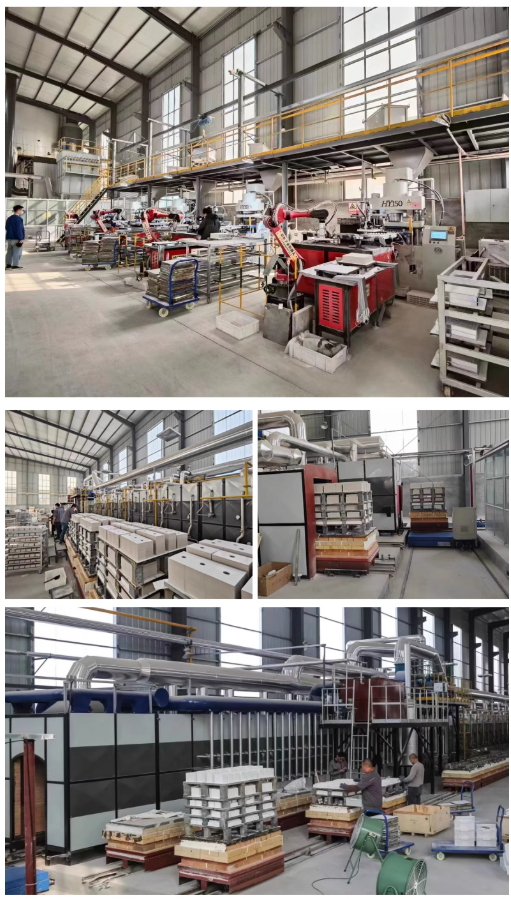
Welcome to Eduloc, a leading global supplier of high-quality ceramic grinding balls. Our product range includes Zirconia (ZrO₂), Alumina (Al₂O₃), and Silicon Carbide (SiC) grinding balls, designed for industries such as mining, chemicals, coatings, electronics, and pharmaceuticals. We are committed to providing durable and efficient grinding solutions tailored to our customers’ diverse needs. With advanced manufacturing technology and stringent quality control, our ceramic grinding balls excel in wear resistance, corrosion resistance, and thermal stability. Partner with us for reliable products and exceptional service that enhance your production efficiency and reliability.
If you have any questions, please feel free to contact us.
Payment Methods
T/T, Western Union, Paypal, Credit Card etc.
Shipment Methods
By air, by sea, by express, as customers request.

5 FAQs of Refractory Ceramic Porous Mullite Ceramics Tube for Heating Element Insulators
What is a porous mullite ceramic tube used for?
Porous mullite ceramic tubes act as insulators for heating elements in high-temperature equipment. They keep heat inside the system and protect surrounding parts from damage. These tubes are common in furnaces, kilns, and industrial heaters.
Why choose mullite over other ceramics?
Mullite has strong resistance to heat and thermal shock. It stays stable even when temperatures change quickly. Its low thermal expansion means it won’t crack easily during repeated heating and cooling cycles. This makes mullite more reliable than many standard ceramics in tough conditions.
How does porosity help performance?
The small pores in the tube reduce its weight and improve insulation. Porosity lowers thermal conductivity, so less heat escapes. This helps systems use energy more efficiently. The open structure also allows gases to pass through gently, which can be useful in certain processes.
Can these tubes handle very high temperatures?
Yes. Porous mullite ceramic tubes work well at temperatures up to 1,700°C (3,092°F). They keep their shape and strength even under long-term exposure to extreme heat. This makes them ideal for demanding industrial applications.
Are they easy to install and maintain?
These tubes are simple to fit around heating elements. Their design allows for quick replacement if needed. Because they resist corrosion and wear, they need little maintenance. Just avoid sudden mechanical shocks during handling to prevent breakage.
REQUEST A QUOTE
RELATED PRODUCTS

Ceramic Tube Mullite Ceramic
Wear Resistant Refractory Mullite Ceramics Tube Ceramic Pipe

New Arrival Cordierite Mullite Ceramic Setter Plate

Refractory Cordierite Mullite Ceramic Perforated Batts / Plates

High Temperature Resistance Industry Mullite Ceramic Heater Parts for Heating Elements