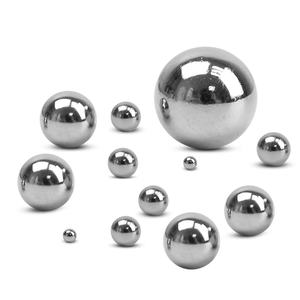
High-Density Grinding Media Balls for Industrial Applications

Key takeaways
- Alumina grinding balls are high-density ceramic spheres made of aluminum oxide, used for fine grinding in various industries.
- They offer high hardness, wear resistance, and chemical inertness, minimizing contamination during milling.
- In lithium battery production, they are used to grind cathode and anode materials to fine particle sizes, improving battery performance.
- The manufacturing process involves shaping and sintering high-purity alumina powder at high temperatures.
- Alumina balls are cost-effective compared to other ceramic media and are suitable for a wide range of materials.
What Are Alumina Grinding Balls?
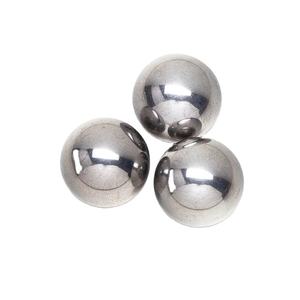
Alumina grinding balls are high-density ceramic spheres made primarily from aluminum oxide (Al₂O₃). They serve as grinding media in ball mills and other milling equipment to reduce particle size, mix materials, or achieve mechanical alloying. The composition typically ranges from 92% to 99% alumina, with the remainder being minor additives that enhance sintering or mechanical properties.
These balls are valued for their high hardness, wear resistance, and chemical inertness. They do not introduce impurities into the milled product, a critical requirement when purity is paramount. The spherical shape and consistent size distribution enable efficient packing and collision energy transfer during milling.
In lithium battery production, alumina grinding balls are used to grind electrode materials such as lithium cobalt oxide, lithium iron phosphate, and graphite. The fine, uniform particle size achieved through milling directly affects battery performance, including capacity, cycle life, and rate capability.
Key Properties of Alumina Grinding Balls
Key properties include high density (typically 3.6–3.9 g/cm³), high hardness (Mohs 9), and excellent wear resistance. These properties result in low wear rates during milling, minimizing contamination of the ground material. Chemical inertness ensures the balls do not react with acidic or alkaline slurries commonly encountered in battery material processing, unlike some abrasive materials such as silicon carbide powder.
Alumina balls also exhibit high compressive strength, allowing them to withstand impact forces inside a ball mill without fracturing. Their thermal stability makes them suitable for both dry and wet milling processes, even at elevated temperatures. The smooth surface reduces the risk of particle entrapment and facilitates cleaning.
These properties are critical for lithium battery production because electrode materials must be ground to sub-micron or nano-scale particles without introducing metallic or other impurities. Even trace contamination can degrade battery performance or cause safety issues.
| Key Point | Explanation |
|---|---|
| High Density (3.6–3.9 g/cm³) | Provides sufficient impact energy for efficient grinding of hard materials. |
| High Hardness (Mohs 9) | Ensures low wear rate, reducing contamination of milled products. |
| Chemical Inertness | Prevents reactions with acidic or alkaline slurries, maintaining purity. |
| High Compressive Strength | Resists fracture under impact, extending service life. |
| Thermal Stability | Allows use in both dry and wet milling at elevated temperatures. |
| Smooth Surface Finish | Minimizes particle entrapment and facilitates cleaning between batches. |
Manufacturing Process of Alumina Grinding Balls
Manufacturing begins with selecting high-purity alumina powder. The powder is mixed with binders and water to form a plastic mass, then shaped into spheres using extrusion, rolling, or isostatic pressing. The green balls are dried to remove moisture before sintering.
Sintering is performed at temperatures between 1500°C and 1700°C in a kiln. During this step, alumina particles fuse, densifying the material and eliminating porosity. The final balls are ground and polished to achieve a precise diameter and smooth surface. Quality control includes density measurement, hardness testing, and visual inspection for cracks or defects.
Manufacturing parameters can be adjusted to produce balls with different alumina content, density, and grain size. For lithium battery applications, balls with higher alumina content (≥95%) are often preferred to minimize the risk of contamination from binders or other additives.
Why Are Alumina Grinding Balls Used in Lithium Battery Production?
In lithium battery production, electrode performance depends on the particle size, morphology, and purity of the active materials. Alumina grinding balls are used in ball mills to grind cathode materials (e.g., NMC, LFP, LCO) and anode materials (e.g., graphite, silicon) to the required fineness. The grinding process reduces particle size, increases surface area, and ensures uniform mixing with conductive additives and binders.
Alumina balls are preferred over steel balls because steel can introduce iron contamination, which can cause short circuits or capacity fade. They are also preferred over zirconia balls in some cases due to lower cost and adequate wear resistance for many battery materials. The high density of alumina balls provides sufficient impact energy to break down hard particles.
The milling process must be carefully controlled to avoid over-grinding, which can generate excessive heat or amorphization. Alumina balls help maintain consistent milling conditions due to their stable properties, while 220 grit silicon carbide is often used for different grinding tasks. Their use contributes to the production of high-quality electrode slurries that lead to better battery performance.
Advantages of Alumina Grinding Balls in Battery Material Processing
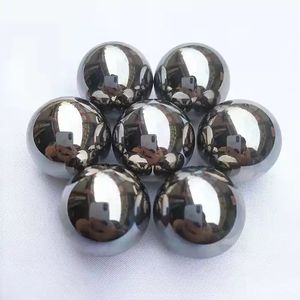
Alumina grinding balls offer several advantages for battery material processing. Their low wear rate means the media itself contributes minimal contamination to the product. This is especially important for high-purity applications where even ppm levels of foreign elements can affect electrochemical performance, unlike some coarser abrasives like 120 grit silicon carbide powder.
The hardness of alumina balls allows them to grind a wide range of materials, from soft graphite to hard ceramic oxides. They are also resistant to chemical attack from the solvents and electrolytes used in slurry preparation, ensuring long service life and consistent performance.
Compared to other ceramic media like yttria-stabilized zirconia, alumina balls are generally more cost-effective while still providing adequate performance for many lithium battery materials. They are available in a range of sizes (typically 1–50 mm) to match different mill types and target particle sizes. This combination of performance and cost makes alumina balls a popular choice in the battery industry.
Applications Beyond Lithium Batteries
While this article focuses on lithium battery production, alumina grinding balls are used in many other industries. They are common in the ceramics industry for grinding glazes, frits, and raw materials. In mining, they are used for ore grinding, especially where iron contamination is undesirable. The chemical industry uses them for milling pigments, fertilizers, and catalysts.
Alumina balls are also employed in the production of electronic ceramics, glass, and refractories. Their versatility stems from the combination of hardness, wear resistance, and chemical inertness. The choice of alumina content and ball size depends on the specific application requirements, such as desired final particle size and acceptable contamination levels.
In each of these applications, the key considerations are similar: achieving the required particle size distribution while minimizing contamination and media wear. Alumina grinding balls meet these criteria, which is why they are a standard grinding media across many sectors.
Frequently asked questions
What are alumina grinding balls made of?
Alumina grinding balls are made primarily from aluminum oxide (Al₂O₃), typically with a purity of 92% to 99% plus minor additives to improve sintering or mechanical properties.
Why are alumina grinding balls preferred over steel balls in lithium battery production?
Steel balls can introduce iron contamination, which can cause short circuits or capacity fade in batteries. Alumina balls are chemically inert and do not introduce metallic impurities, making them safer for high-purity electrode materials.
Can alumina grinding balls be used for grinding graphite anodes?
Yes, alumina balls are suitable for grinding graphite anodes because their hardness and wear resistance allow effective size reduction without excessive contamination, though graphite is softer than many cathode materials.
About Us
We are a professional supplier of high-performance grinding media, including alumina, silicon carbide, zirconia, and stainless steel balls. Our products serve lithium batteries, semiconductors, photovoltaics, and ceramics. With advanced technology and strict quality control, we deliver reliable quality, customized solutions, and fast delivery to global partners.
RELATED POSTS
What is Spherical Aluminum Oxide Al2O3 Used For?
Tin Oxide-Gallium (SnO2-Ga2O3 (80:20 At%))-Sputtering Target
Feldspar A large group of silicate minerals. The most abundant group of minerals in Earth’s crust. Article by: Hobart M. King, PhD, RPG
Ammonium tetrafluoroborate (NH4BF4)-Powder
Tin Silver Copper Alloy (SnAgCu (96.5/3.0/0.5 wt %))-Pieces