High-Density Grinding Media Balls for Industrial Applications

Okay, here is the rewritten title and the blog post, following your instructions.

(The Record Of The Upgrade Of The Hygiene Standards Of Stainless Steel Balls In A Food Machinery Factory)
Title: Shiny & Safe: How Our Food Factory Leveled Up Its Stainless Steel Ball Game
Blog Post:
We make machines that help put food on your table. Think mixers, slicers, conveyors – stuff that handles ingredients day in, day out. Inside many of these machines, you find little workhorses: stainless steel balls. They might be bearings, parts of valves, or check mechanisms. They are small. But they are vital. Recently, we gave these little metal spheres a major hygiene upgrade. This wasn’t just a polish job. It was a full rethink of how we ensure they stay clean and safe. This matters. It matters a lot when you’re talking about food. Let’s dive into why and how we did it.
1. What Are Stainless Steel Balls in Food Machinery?
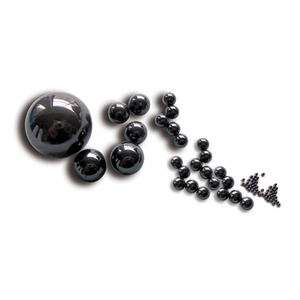
Picture tiny, perfectly round metal spheres. That’s them. Stainless steel balls are precision components. They are used in many moving parts within food processing equipment. For example, they act as bearings in motors. They help valves open and close smoothly. They might be inside a pump mechanism. Their job is often to reduce friction. They allow parts to move freely under pressure. They need to be tough. They need to resist wear. Above all, they need to be incredibly clean. Any surface flaw, any tiny pit, can trap food particles or bacteria. This is unacceptable in food production. So the quality and finish of these balls are crucial. They are small parts with a big responsibility for food safety.
2. Why Upgrade Hygiene Standards for These Balls?
The answer is simple: safety. Food safety regulations are strict. They get stricter all the time. Agencies like the FDA and EFSA demand the highest hygiene levels. Contamination is a constant risk in food plants. Bacteria like Salmonella or Listeria can lurk anywhere. Stainless steel is naturally resistant. But it’s not foolproof. Poor surface quality, improper cleaning, or material flaws create hiding spots. A single contaminated ball bearing could spread pathogens through an entire batch. This risks consumer health. It risks costly recalls. It damages our factory’s reputation. We saw this risk clearly. Our old standards were good. But “good” isn’t good enough anymore. We needed “excellent.” We needed balls that were easier to clean. We needed balls that left no room for doubt. That’s why we initiated the upgrade.
3. How We Upgraded Our Stainless Steel Ball Hygiene
We didn’t just buy fancier balls. We took a systematic approach. First, we reviewed our suppliers. We demanded balls made from higher-grade stainless steel. Think 316L or even specialty food-grade alloys. These resist corrosion much better. Especially against acids and cleaning chemicals. Next, we focused on the surface finish. We required a much smoother polish. We specified a lower Ra value. This means fewer microscopic scratches. Fewer places for gunk to stick. Third, we looked at the manufacturing process. We ensured suppliers used passivation. This is a chemical bath. It removes free iron from the surface. It enhances the natural protective oxide layer. Fourth, we upgraded our own cleaning protocols. We implemented more rigorous washing cycles. We used stronger, food-safe detergents. We added more inspection points. We used better magnifying tools to check each batch. Finally, we trained our assembly team. They now handle these components like surgical tools. Clean gloves. Clean environments. Zero tolerance for fingerprints or dirt. It was a full package upgrade.
4. Applications: Where Cleaner Balls Make a Difference
These upgraded balls go into specific machines. Machines where hygiene is non-negotiable. Think liquid processing first. Pumps handling milk, juice, or sauces rely on ball bearings. Cleaner balls mean less risk of bacterial growth inside the pump housing. Valves controlling flow also use ball mechanisms. A smoother, cleaner ball surface ensures tight sealing. It prevents leaks. It prevents product buildup in the valve body. Conveyor systems often use ball transfers. These help guide packages or products around corners. Clean balls prevent transferring contaminants from one product to the next. Mixing and blending equipment frequently uses bearings packed with small balls. Any friction or heat generated mustn’t create metal dust. High-grade, smooth balls minimize this. Even in slicing machines, bearings support high-speed blades. Cleanliness here prevents any foreign material getting into the food stream. Every application benefits from a ball that’s easier to clean and inspect.
5. FAQs About Food-Grade Stainless Steel Balls
People often ask us questions about this upgrade. Here are the common ones:
Q1: Why not just use plastic balls? Aren’t they cheaper and easier to clean?
Plastic seems tempting. But it has drawbacks. Plastic can degrade over time. Especially with heat, pressure, or harsh cleaning chemicals. It can crack. It can warp. This creates bigger hygiene risks. Stainless steel is far more durable. It withstands the tough environment of food plants much better. Our upgraded steel balls are now just as cleanable as plastic. They are more reliable.
Q2: How often do these balls need replacing? Is the upgrade cost-effective?
The upgrade actually makes them last longer. Higher-grade steel resists corrosion and wear better. A smoother surface reduces friction. This means less wear on the balls themselves. It also means less wear on the surrounding parts. While the initial cost per ball is higher, the lifespan is longer. Fewer replacements are needed. Less downtime for maintenance. It saves money in the long run. Plus, the safety benefit is priceless.
Q3: Can you really clean something so small thoroughly?
Yes, absolutely. That’s the whole point of the upgrade. The smoother surface finish is key. Think of a smooth tile versus a rough brick. Dirt washes off the tile much easier. It’s the same principle. Combined with powerful, validated cleaning processes, we can achieve and prove cleanliness. We test rinse water. We use swabs. We inspect under magnification. We have confidence.
Q4: Do these balls need special certifications?
Yes. We insist on it. Suppliers must provide material certifications. These show the exact alloy composition. They also need certificates of conformity for food contact. Sometimes we require specific tests. Tests like immersion in food simulants. This proves no harmful substances leach out. We keep these certificates on file for every batch.
Q5: Where can I source these high-hygiene stainless steel balls?
(The Record Of The Upgrade Of The Hygiene Standards Of Stainless Steel Balls In A Food Machinery Factory)
Many specialty bearing suppliers offer food-grade options. Look for suppliers specializing in the food, dairy, or pharmaceutical industries. Ask specifically about the material grade. Ask about the surface finish specification. Ask about their passivation process. Ask for their food contact certifications. Don’t settle for generic industrial balls. Insist on the higher standard. We work closely with a few trusted partners who understand our needs.
RELATED POSTS
Nano Nickel-Titanium shape memory Nitinol alloy powder

Gadolinium Sulfate (Gd2(SO4)3. 8H2O)-Granules
Strontium Titanate (Strontium Titanium Oxide) (SrTiO3)-Powder
Sodium Chloride (NaCl)-Beads