High-Density Grinding Media Balls for Industrial Applications


PRODUCT PARAMETERS
Description
Overview of Silicon Carbide Ceramic Sintering
Silicon Carbide (SiC) ceramic is an advanced engineering material synthesized through the high-temperature reaction of silica sand and carbon. Known for its exceptional hardness and stability, this technical ceramic combines the lightweight properties of ceramics with the thermal performance of metals. Silicon Carbide ceramics exist in various forms, including sintered SiC, reaction-bonded SiC (RBSC), and recrystallized SiC, each offering unique microstructures that deliver outstanding performance in the most demanding industrial environments. With its covalent bond structure, SiC provides remarkable durability that surpasses conventional ceramics and metals in extreme conditions.
Features of Silicon Carbide Ceramic Sintering
Exceptional Hardness: Ranks 9.5 on the Mohs scale, second only to diamond, providing superior wear and abrasion resistance
High-Temperature Stability: Maintains mechanical strength up to 1400°C (2550°F) in inert atmospheres and 1600°C in oxidizing environments
Thermal Shock Resistance: Excellent thermal conductivity (120-170 W/m·K) combined with low thermal expansion ensures resistance to rapid temperature changes
Chemical Inertness: Unaffected by most acids, alkalis, and corrosive substances; only attacked by strong oxidizing agents at high temperatures
Outstanding Thermal Conductivity: Four times higher than stainless steel, enabling efficient heat transfer applications
Lightweight Structure: Approximately one-third the density of steel while maintaining superior strength-to-weight ratio
Specification of Silicon Carbide Ceramic Sintering
Specification of Silicon Carbide Ceramic Sintering
Material Make-up
Silicon carbide (SiC) is the cornerstone. It typically contains over 98% pure SiC. Percentages of sintering help like boron or carbon may be included. These aid the material bond snugly throughout firing without melting.
Sintering Process
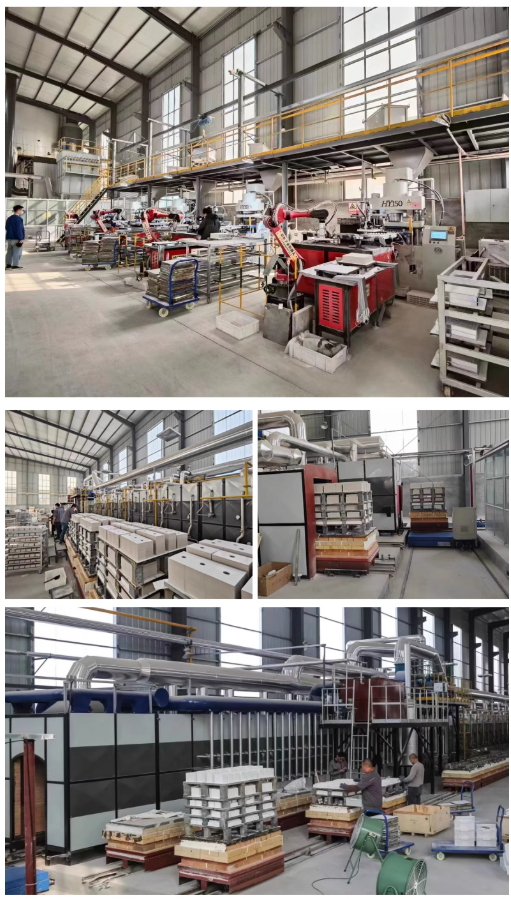
The powder is pushed into form first. After that it enters into a high-temperature furnace. The temperature stays in between 2000 ° Cand 2200 ° C. This takes place in an inert ambience, typically argon. No oxygen is allowed– it would certainly harm the product. Stress is not used; this is solid-state sintering. The whole cycle can take numerous hours. Cooling needs to be sluggish and controlled to avoid cracks.
Density and Porosity
Good sintered SiC has extremely reduced porosity– typically under 2%. Its thickness gets to concerning 3.10– 3.15 g/cm SIX. That’s close to the theoretical maximum. High thickness suggests far better stamina and thermal conductivity.
Mechanical Properties
This ceramic is extremely tough– around 2500– 2800 HV on the Vickers scale. Flexural toughness is normally 350– 450 MPa. It also withstands wear and maintains its form under heavy lots. Even at heats, it remains strong.
Thermal and Chemical Resistance
Silicon carbide manages warmth effectively. It functions securely approximately 1600 ° C in air. Thermal conductivity is high, about 80– 120 W/m · K. It does not increase much when warmed. Chemically, it stands up to acids, antacid, and molten steels. Only strong oxidizing representatives or hydrofluoric acid can attack it.
Surface Area End Up and Resistances
After sintering, components might be ground to satisfy tight tolerances. Standard dimensional precision is within ± 0.1 mm. Surface area roughness can get to Ra 0.2– 0.8 µm after finishing. Custom-made specs are feasible for special applications.

Applications of Silicon Carbide Ceramic Sintering
Applications of Silicon Carbide Ceramic Sintering
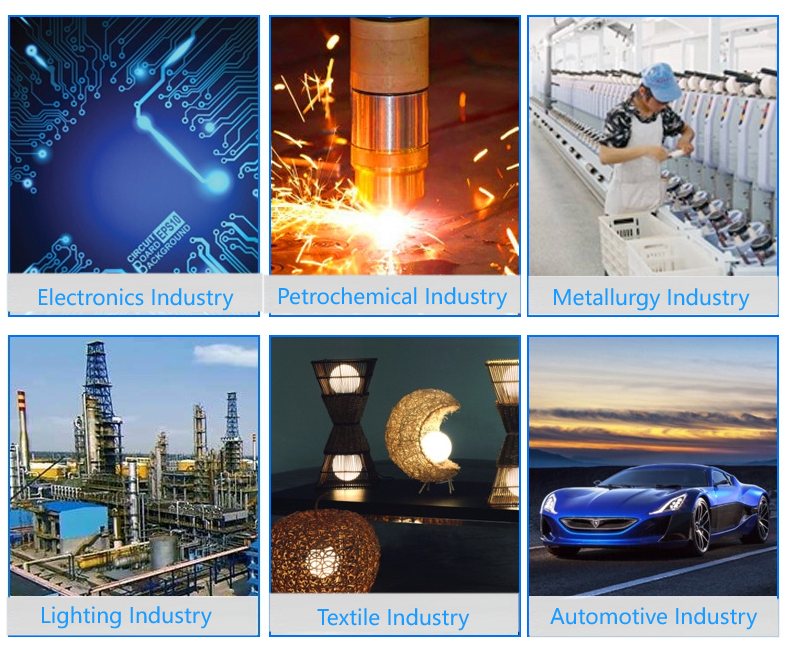
Aerospace and Defense
Silicon carbide porcelains take care of extreme heat and stay strong under stress and anxiety. That makes them perfect for parts in jet engines, rocket nozzles, and missile parts. These parts need to work in extremely warm and harsh problems. Sintered silicon carbide maintains its form and stamina where steels would fall short.
Industrial Machinery
In factories, wear and rust damages equipment fast. Sintered silicon carbide resists both. It is made use of in seals, bearings, and pump components that deal with abrasive fluids or high pressure. These ceramic components last longer than steel ones and lower upkeep prices.
Energy Solutions
Nuclear power plant need materials that can take high temperatures and stand up to chemical assault. Silicon carbide ceramics are used in heat exchangers, wind turbine blades, and nuclear gas cladding. Their thermal conductivity helps relocate warmth promptly, while their security keeps systems safe with time.
Electronics and Semiconductors
The electronic devices market uses sintered silicon carbide for wafer handling devices and heater components. These elements need to stay tidy and not warp during high-temperature handling. Silicon carbide fulfills those requirements with low thermal development and high pureness.
Automotive Industry
Modern cars make use of silicon carbide porcelains in brake discs and clutches. They provide much better quiting power and wear resistance than typical materials. Electric automobiles likewise utilize them in power electronics due to the fact that they manage warmth well and improve efficiency.
Medical Gadgets
Some medical tools and implants make use of sintered silicon carbide. It is biocompatible, difficult, and smooth. These characteristics help in reducing friction and stop reactions inside the body. Doctors rely upon its longevity during repeated sterilization cycles.
Company Introduction
Welcome to Eduloc, a leading global supplier of high-quality ceramic grinding balls. Our product range includes,Mullite Ceramic, Quartz Ceramic, Aluminum Nitride Ceramic, Silicon Nitride Ceramic, Silicon Carbide Ceramic designed for industries such as mining, chemicals, coatings, electronics, and pharmaceuticals. We are committed to providing durable and efficient grinding solutions tailored to our customers’ diverse needs. With advanced manufacturing technology and stringent quality control, our ceramic grinding balls excel in wear resistance, corrosion resistance, and thermal stability. Partner with us for reliable products and exceptional service that enhance your production efficiency and reliability.
If you have any questions, please feel free to contact us.
Payment Methods
T/T, Western Union, Paypal, Credit Card etc.
Shipment Methods
By air, by sea, by express, as customers request.

5 FAQs of Silicon Carbide Ceramic Sintering
Frequently Asked Questions About Silicon Carbide Ceramic Sintering
What is silicon carbide ceramic sintering?
Silicon carbide ceramic sintering is a process that turns fine silicon carbide powder into a solid, dense ceramic part. The powder is pressed into a shape and then heated to a very high temperature. During heating, the particles bond together without melting completely. This creates a strong, hard material used in many industrial applications.
Why is sintering needed for silicon carbide?
Pure silicon carbide does not melt easily. It breaks down before it reaches its melting point. Because of this, traditional melting methods do not work. Sintering allows the material to become dense and strong while staying solid. Without sintering, silicon carbide parts would be too weak or porous for real-world use.
What additives are used in sintering?
Most sintered silicon carbide needs small amounts of additives like boron and carbon. These help the particles bond better during heating. The additives lower the temperature needed for sintering and improve the final density. Too much additive can hurt performance, so the amount must be carefully controlled.
What temperatures are used in sintering?
Sintering usually happens between 2,000°C and 2,200°C. The exact temperature depends on the type of silicon carbide and the additives used. Higher temperatures often give better density but may cause grain growth. Finding the right balance is key to getting good mechanical properties.
How does sintering affect the final product’s properties?
Proper sintering gives the ceramic high strength, hardness, and thermal conductivity. It also makes the material resistant to wear and corrosion. If sintering is not done well, the part may have cracks, pores, or weak spots. That is why process control is critical from start to finish.
REQUEST A QUOTE
RELATED PRODUCTS

Hot ing Silicon Carbide Ceramic Plate Tile for Refractory Industry

One End Closed Silicon Carbide Ceramic Tube

Whole Silicon Carbide Ceramic Insulator Heat Sink Substrate
Long Lasting Grinding Wheel with High Ceramic Silicon Carbide

Silicon Carbide Ceramic Pump and Bearing for Industrial Use
