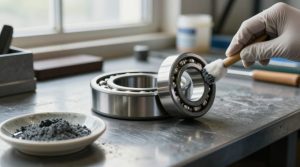
High-Density Grinding Media Balls for Industrial Applications


PRODUCT PARAMETERS
Description
Overview of Refractory Ceramic Recrystallized Silicon Carbide Crucible
Silicon Carbide (SiC) ceramic is an advanced engineering material synthesized through the high-temperature reaction of silica sand and carbon. Known for its exceptional hardness and stability, this technical ceramic combines the lightweight properties of ceramics with the thermal performance of metals. Silicon Carbide ceramics exist in various forms, including sintered SiC, reaction-bonded SiC (RBSC), and recrystallized SiC, each offering unique microstructures that deliver outstanding performance in the most demanding industrial environments. With its covalent bond structure, SiC provides remarkable durability that surpasses conventional ceramics and metals in extreme conditions.
Features of Refractory Ceramic Recrystallized Silicon Carbide Crucible
Exceptional Hardness: Ranks 9.5 on the Mohs scale, second only to diamond, providing superior wear and abrasion resistance
High-Temperature Stability: Maintains mechanical strength up to 1400°C (2550°F) in inert atmospheres and 1600°C in oxidizing environments
Thermal Shock Resistance: Excellent thermal conductivity (120-170 W/m·K) combined with low thermal expansion ensures resistance to rapid temperature changes
Chemical Inertness: Unaffected by most acids, alkalis, and corrosive substances; only attacked by strong oxidizing agents at high temperatures
Outstanding Thermal Conductivity: Four times higher than stainless steel, enabling efficient heat transfer applications
Lightweight Structure: Approximately one-third the density of steel while maintaining superior strength-to-weight ratio
Specification of Refractory Ceramic Recrystallized Silicon Carbide Crucible
Refractory Ceramic Recrystallized Silicon Carbide Crucible– Product Spec
Material Structure
This crucible is made from recrystallized silicon carbide (RSiC). The material forms with high-temperature sintering over 2,200 ° C without binders or ingredients. Pure silicon carbide grains fuse straight, creating a dense, strong structure with excellent thermal stability.
Key Features
The crucible reveals high resistance to thermal shock. It manages quick temperature changes without fracturing. Its thermal conductivity is great, which aids warm spread uniformly throughout use. The surface area remains smooth and clean, making it very easy to remove deposits after melting.
It additionally uses strong chemical inertness. The majority of acids, antacid, and molten metals do not respond with it. This makes the crucible suitable for handling hostile materials at high temperatures.
Physical Characteristics
Common density arrays from 2.6 to 2.7 g/cm TWO. Porosity stays below 12%, ensuring minimal absorption of fluids or gases. The flexural stamina surpasses 150 MPa at room temperature and remains secure even near 1,600 ° C. Optimum continual service temperature reaches 1,650 ° C in inert or lowering environments.
Typical Applications
These crucibles are commonly used in metallurgy, shops, and research laboratory settings. They function well for melting non-ferrous steels like light weight aluminum, copper, and zinc. They additionally fit high-purity processes in semiconductor and ceramic production where contamination should be prevented.
Available Shapes And Sizes
Requirement models are available in cylindrical kinds with quantities from 50 mL to 5,000 mL. Customized forms and dimensions can be made upon demand. Each device undergoes strict high quality checks before shipping to make sure constant performance and reliability.

Applications of Refractory Ceramic Recrystallized Silicon Carbide Crucible
Applications of Recrystallized Silicon Carbide Crucibles
High-Temperature Steel Melting
Recrystallized silicon carbide (R-SiC) crucibles are widely utilized for melting non-ferrous metals like aluminum, copper, and zinc. These crucibles handle extreme warm without fracturing or deforming. Their solid framework maintains the metal pure throughout the procedure. Foundries choose them since they last much longer than common clay-graphite crucibles.
Rare-earth Element Refining
Jewelers and refiners count on R-SiC crucibles when working with gold, silver, and platinum. The product stands up to chemical reactions with molten rare-earth elements. This implies less contamination and better healing rates. The smooth internal surface area likewise makes it easy to put clean, high-grade ingots.
Specialty Alloys and Study
In research laboratories and progressed production, these crucibles melt reactive or high-purity alloys such as titanium and nickel-based superalloys. Criterion containers typically fail under such conditions. R-SiC remains secure even over 1600 ° C. Scientist use them for consistent cause small-batch experiments and model development.
Glass and Ceramic Manufacturing
Glassmakers make use of R-SiC crucibles to thaw optical glass, technological glass, and ceramic frits. The crucible does not launch pollutants into the thaw. It likewise endures thermal shock from duplicated heating and cooling down cycles. This assists maintain shade clarity and structural integrity in the final product.
Semiconductor and Solar Industries
In silicon purification for solar batteries and semiconductors, sanitation and temperature level control are crucial. R-SiC crucibles offer both. They support directional solidification procedures without presenting issues. Their durability minimizes downtime and replacement expenses in constant production lines.
Company Introduction
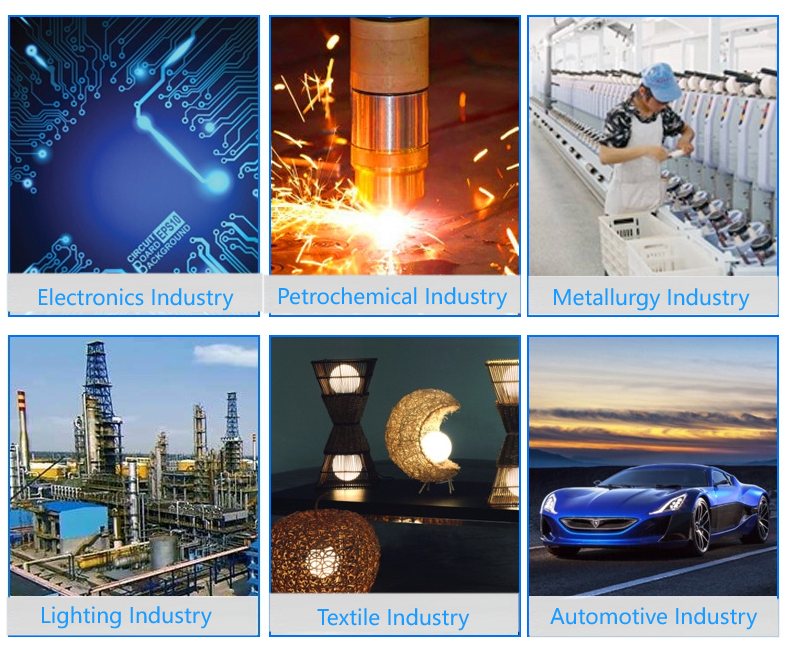
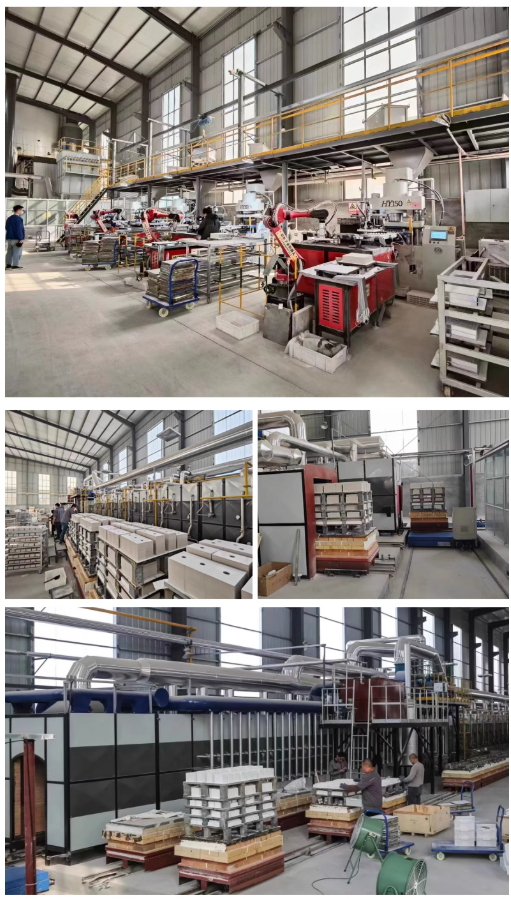
Welcome to Eduloc, a leading global supplier of high-quality ceramic grinding balls. Our product range includes,Mullite Ceramic, Quartz Ceramic, Aluminum Nitride Ceramic, Silicon Nitride Ceramic, Silicon Carbide Ceramic designed for industries such as mining, chemicals, coatings, electronics, and pharmaceuticals. We are committed to providing durable and efficient grinding solutions tailored to our customers’ diverse needs. With advanced manufacturing technology and stringent quality control, our ceramic grinding balls excel in wear resistance, corrosion resistance, and thermal stability. Partner with us for reliable products and exceptional service that enhance your production efficiency and reliability.
If you have any questions, please feel free to contact us.
Payment Methods
T/T, Western Union, Paypal, Credit Card etc.
Shipment Methods
By air, by sea, by express, as customers request.
5 FAQs of Refractory Ceramic Recrystallized Silicon Carbide Crucible
Frequently Asked Questions About Recrystallized Silicon Carbide Crucibles
What is a recrystallized silicon carbide crucible?
It is a high-temperature container made from pure silicon carbide. The material is heated until it bonds without melting, forming a strong, dense structure. This process gives the crucible excellent heat resistance and long service life.
Why choose recrystallized SiC over other materials?
Recrystallized silicon carbide handles extreme heat better than most ceramics. It stays stable up to 1650°C in air and even higher in inert atmospheres. It also resists thermal shock, chemical corrosion, and wear. These features make it ideal for demanding industrial processes.
What industries use these crucibles?
They are widely used in metallurgy, foundries, and laboratories. Common applications include melting non-ferrous metals like aluminum, copper, and zinc. They are also used in research settings where purity and temperature control matter.
How long does a recrystallized SiC crucible last?
Lifespan depends on operating conditions. With proper handling and correct temperature control, it can last many cycles. Avoid sudden temperature changes and mechanical impacts to extend its use.
Can these crucibles be reused?
Yes. After cleaning off residues and checking for cracks or damage, they can be reused safely. Always inspect before each use. If the surface shows deep erosion or structural weakness, replace it to avoid failure during operation.
REQUEST A QUOTE
RELATED PRODUCTS

Refractory Ceramic Sheet Silicon Carbide Ceramic Plate Board

China Manufacture Silicon Carbide Ceramic Membrane
Ceramic Corundum Flap Disc with Silicon Carbide

Boron Carbide and Silicon Carbide Ceramic Plates Tiles for Industrial Samples

Silicon Carbide Foam Ceramic Filter for Cast Iron and Stoves