High-Density Grinding Media Balls for Industrial Applications


PRODUCT PARAMETERS
Description
Overview of Refractory Corundum Mullite Ceramic Block
Mullite ceramic, named after the Isle of Mull in Scotland where it was first discovered, is a synthetic or naturally occurring compound of alumina (Al₂O₃) and silica (SiO₂), typically with a composition of 3Al₂O₃·2SiO₂. It is one of the most important engineering ceramics for high-temperature applications due to its exceptional stability and performance under extreme conditions.
Mullite is characterized by its acicular (needle-like) crystal structure, which contributes to its excellent mechanical strength and thermal properties. As a refractory material, it forms the backbone of many industrial processes, serving as a reliable solution where other materials would succumb to thermal shock, creep, or chemical corrosion. Our mullite industrial ceramics are engineered to provide superior purity and consistent density, ensuring long-lasting service life in the most demanding environments.
Features of Refractory Corundum Mullite Ceramic Block
Our mullite ceramic products are distinguished by a unique combination of physical and chemical properties:
- Excellent Thermal Shock Resistance: The low coefficient of thermal expansion (CTE) of mullite allows it to withstand rapid temperature changes without cracking, making it ideal for cycled heating processes.
- High-Temperature Stability: With a high melting point (approx. 1830°C / 3326°F) and low thermal conductivity, it maintains structural integrity and dimensional stability in continuous high-heat environments.
- Low Thermal Expansion: Ensures dimensional accuracy and reduces stress during thermal cycling.
- Good Chemical Inertness: Resistant to corrosion from molten metals, slags, and most chemicals, with the exception of hydrofluoric acid.
- High Creep Resistance: Maintains its shape and strength under long-term mechanical load at elevated temperatures.
- Excellent Dielectric Properties: Possesses high electrical resistivity and a low dielectric constant, making it useful for electrical insulation at high frequencies and temperatures.

Specifications of Refractory Corundum Mullite Ceramic Block
Refractory Diamond Mullite Porcelain Block– Technical Specs
Product Structure
Corundum mullite ceramic blocks are made from high-purity alumina and synthetic mullite. The mix includes 70% to 85% light weight aluminum oxide (Al two O FIVE). Percentages of silica and other oxides aid form a stable crystal structure during shooting.Physical Characteristics
These blocks have a bulk thickness in between 2.9 g/cm THREEand 3.2 g/cm six. Their apparent porosity remains listed below 18%, which limits wetness absorption and improves stamina. Cold squashing stamina generally varies from 80 MPa to 120 MPa, making them ideal for heavy-load applications.Thermal Efficiency
The service temperature reaches up to 1,750 ° C( 3,182 ° F )in oxidizing atmospheres. Thermal shock resistance is strong– blocks can take care of rapid heating and cooling cycles without cracking. The coefficient of thermal development continues to be reduced, around 5.5 × 10 ⁻⁶/ ° C (20– 1,000 ° C), which minimizes stress throughout temperature level adjustments.Chemical Resistance
Corundum mullite blocks stand up to attack from most slags, acids, and alkalis. They execute well in settings with molten steels or aggressive gases. Their high alumina content avoids chemical malfunction even under extended direct exposure.Criterion Dimensions
Common dimensions include 230 × 114 × 65 mm and 230 × 114 × 40 mm. Custom forms and resistances are offered upon demand. All blocks satisfy ISO and ASTM dimensional criteria for refractory products.Applications
These blocks line kilns, heating systems, incinerators, and reactors in industries such as steel, glass, cement, and petrochemicals. Their durability and stability make them suitable for high-temperature areas where structural integrity issues most.
Applications of Refractory Corundum Mullite Ceramic Block
Applications of Refractory Corundum Mullite Porcelain Block
High-Temperature Industrial Furnaces
Refractory corundum mullite ceramic blocks job well in high-temperature commercial furnaces. These blocks manage heat up to 1,700 ° C without breaking down. They line kilns utilized in steel, glass, and cement production. Their strong framework maintains heater walls steady throughout long home heating cycles.Metallurgy and Foundry Procedures
In metal smelting and casting, these blocks protect tools from molten steel and slag. They resist chemical strikes and thermal shock. This makes them optimal for lining ladles, tundishes, and crucibles. Their longevity decreases downtime and upkeep expenses.Ceramic and Refractory Production
Ceramic suppliers use these blocks inside sintering and shooting kilns. The blocks remain intact even under duplicated cooling and heating. They aid keep consistent temperature levels across the kiln chamber. This leads to much better item high quality and fewer issues.Petrochemical and Chemical Processing
Petrochemical plants depend on corundum mullite obstructs in reformers, crackers, and burners. These environments involve harsh chemicals and severe warm. The blocks supply superb resistance to corrosion and erosion. They likewise provide excellent insulation, which saves power.Waste Incineration Equipments
Municipal and contaminated materials incinerators require materials that last under aggressive problems. Diamond mullite ceramic blocks fulfill this need. They withstand acidic gases, ash buildup, and fast temperature level modifications. Their lengthy service life cuts replacement frequency and business expenses.Power Generation Equipment
In coal-fired and biomass nuclear power plant, these blocks line boiler chambers and flue gas air ducts. They withstand high heat and unpleasant fly ash. Their low thermal conductivity enhances heat retention. This enhances burning efficiency and decreases gas use.
Company Introduction
Welcome to Eduloc, a leading global supplier of high-quality ceramic grinding balls. Our product range includes Zirconia (ZrO₂), Alumina (Al₂O₃), and Silicon Carbide (SiC) grinding balls, designed for industries such as mining, chemicals, coatings, electronics, and pharmaceuticals. We are committed to providing durable and efficient grinding solutions tailored to our customers’ diverse needs. With advanced manufacturing technology and stringent quality control, our ceramic grinding balls excel in wear resistance, corrosion resistance, and thermal stability. Partner with us for reliable products and exceptional service that enhance your production efficiency and reliability.
If you have any questions, please feel free to contact us.
Payment Methods
T/T, Western Union, Paypal, Credit Card etc.
Shipment Methods
By air, by sea, by express, as customers request.
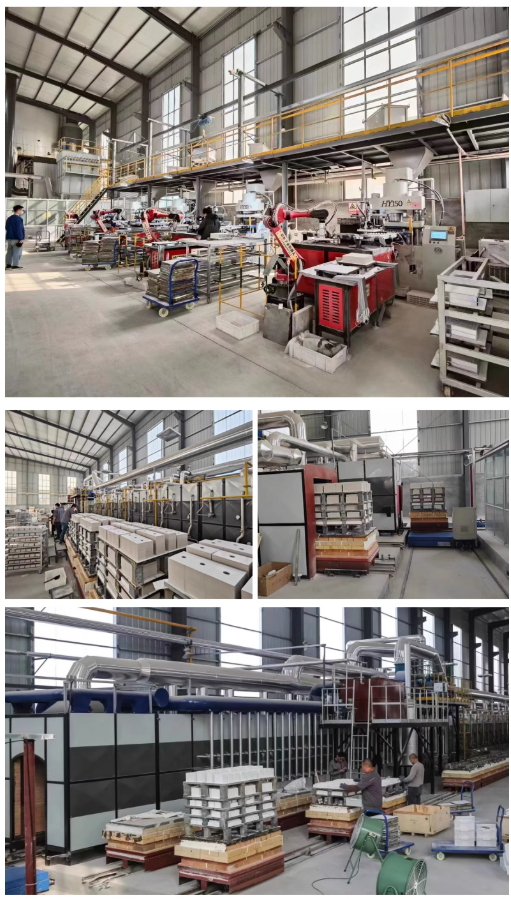

5 FAQs of Refractory Corundum Mullite Ceramic Block
Frequently Asked Questions About Refractory Corundum Mullite Ceramic Blocks
What are refractory corundum mullite ceramic blocks made of?
These blocks are made from high-purity alumina (corundum) and mullite. Both materials are mixed, shaped, and fired at very high temperatures. This process creates a dense, strong structure that can handle extreme heat.Where are these blocks used?
They are mainly used in high-temperature industrial settings. Common applications include kilns, furnaces, incinerators, and glass-melting tanks. Their strong resistance to heat and wear makes them ideal for lining equipment that runs at over 1500°C.Why choose corundum mullite blocks over other refractories?
These blocks offer better thermal stability and mechanical strength than many standard refractories. They resist chemical attack, thermal shock, and abrasion. This means longer service life and less downtime for repairs.How do I install these ceramic blocks?
Installation should follow the manufacturer’s guidelines. Usually, blocks are laid with high-temperature mortar or anchored mechanically. Make sure joints are tight and surfaces are clean. Proper installation prevents hot spots and extends block life.Can these blocks be customized?
Yes. Most suppliers offer custom sizes and shapes based on your equipment design. You can request specific dimensions, hole patterns, or edge profiles. Custom blocks help reduce cutting on-site and improve fit during installation.REQUEST A QUOTE
RELATED PRODUCTS
Customized Refractory Corundum Mullite Ceramic Heating Disc High Temperature Resistance Porcelain Plate Used in Kiln Furnace
Corundum Mullite Ceramic Firing Sagger Refractory Crucible for Industrial Furnace

Detroit A6804903792 A6804913594 DDEEA6804903792 Mullite Ceramic Honeycomb DPF Diesel Particulate Filter New Cleaning for Actros

High Temperature High Strength Corundum Mullite Ceramic Sagger Refractory Processing Service-Custom Cutting Available

Supply Various Accessories, Cordierite, Mullite Ceramics
