High-Density Grinding Media Balls for Industrial Applications

Mullite Ceramic
High Temperature Corundum Mullite Ceramic Alumina Crucible

High Temperature Resistance Refractory Porous Mullite Ceramics

Ceramic Sleeves Moulded Corundum Mullite Ceramic Sleeve Customize According to the Blueprint

Factory Customized 1600C Polycrystalline Mullite Ceramic Fiber Module for Kiln

Newarrival Customized Refractory Heat Insulation Module Polycrystalline Mullite Ceramic Fiber

Corundum Mullite Ceramic Sagger Tray Crucible for Refractory Kiln with Good Corrosion

High Temperature Ceramic Fiber Board 3000c Polycrystalline Mullite Ceramic Fiber Plates Ceramic Insulation Board for 2000c

1800 C Polycrystalline Mullite Ceramic Fiber Board

1700C Polycrystalline Mullite Ceramic Fiber Boards

1700C Polycrystalline Mullite Ceramic Fiber Heater Furnace Chamber

Standard Thermal Resistant Polycrystalline Mullite Ceramic Fiber Board Aluminum Silicate Blanket High-Performance Refractory

Max Temperature 1600 C Polycrystalline Mullite Ceramic Fiber Board
Overview of Mullite Ceramic
Mullite ceramic, named after the Isle of Mull in Scotland where it was first discovered, is a synthetic or naturally occurring compound of alumina (Al₂O₃) and silica (SiO₂), typically with a composition of 3Al₂O₃·2SiO₂. It is one of the most important engineering ceramics for high-temperature applications due to its exceptional stability and performance under extreme conditions.
Mullite is characterized by its acicular (needle-like) crystal structure, which contributes to its excellent mechanical strength and thermal properties. As a refractory material, it forms the backbone of many industrial processes, serving as a reliable solution where other materials would succumb to thermal shock, creep, or chemical corrosion. Our mullite industrial ceramics are engineered to provide superior purity and consistent density, ensuring long-lasting service life in the most demanding environments.


Features of Mullite Ceramic
Our mullite ceramic products are distinguished by a unique combination of physical and chemical properties:
- Excellent Thermal Shock Resistance: The low coefficient of thermal expansion (CTE) of mullite allows it to withstand rapid temperature changes without cracking, making it ideal for cycled heating processes.
- High-Temperature Stability: With a high melting point (approx. 1830°C / 3326°F) and low thermal conductivity, it maintains structural integrity and dimensional stability in continuous high-heat environments.
- Low Thermal Expansion: Ensures dimensional accuracy and reduces stress during thermal cycling.
- Good Chemical Inertness: Resistant to corrosion from molten metals, slags, and most chemicals, with the exception of hydrofluoric acid.
- High Creep Resistance: Maintains its shape and strength under long-term mechanical load at elevated temperatures.
- Excellent Dielectric Properties: Possesses high electrical resistivity and a low dielectric constant, making it useful for electrical insulation at high frequencies and temperatures.
Specifications of Mullite Ceramic
We offer a range of mullite products tailored to specific industrial needs. Specifications can be customized based on your requirements.
Typical Material Properties:
| Property | Unit | Value / Range |
|---|---|---|
| Composition | % | 3Al₂O₃·2SiO₂ ( >75% Mullite Phase) |
| Bulk Density | g/cm³ | 2.5 – 2.9 |
| Apparent Porosity | % | < 1 (for dense products) / 15-25 (for porous insulation) |
| Max Use Temperature | °C | 1500 – 1750 |
| Modulus of Rupture (MOR) | MPa | 15 – 25 (at room temp) |
| Thermal Conductivity | W/mK | 2.0 – 4.0 (at 1000°C) |
| Coefficient of Thermal Expansion | x10⁻⁶/K | 4.5 – 5.5 (20°C - 1000°C) |
Available Product Forms:
- Tubes: Thermocouple protection tubes, furnace rollers, radiant tubes.
- Crucibles: For melting metals and glass.
- Kiln Furniture: Setter plates, saggers, beams, and posts.
- Refractory Bricks & Boards: For furnace linings and insulation.
- Custom Shapes: Machined or cast to customer drawings.

Applications of Mullite Ceramic
The robust nature of mullite makes it the material of choice across a wide spectrum of heavy industries:
- Metallurgical Industry: Used as thermocouple protection tubes for temperature measurement in molten aluminum and steel, and as lining bricks in induction furnaces.
- Glass Industry: Ideal for stirrers, tubes, and floats used in the production of high-quality glass due to its resistance to glass melt corrosion.
- Ceramic Industry: Essential for kiln furniture (pusher plates, setter tiles) in the firing of electronic ceramics, sanitaryware, and tableware.
- Automotive & Aerospace: Used in substrate catalysts and as foundry filters for casting complex metal parts.
- Electronics: As a substrate material and in high-temperature electrical insulators.
- Waste Incineration: For lining combustion chambers due to its resistance to corrosive flue gases.

Company Introduction
Welcome to Eduloc, a leading global supplier of high-quality ceramic grinding balls. Our product range includes Zirconia (ZrO₂), Alumina (Al₂O₃), and Silicon Carbide (SiC) grinding balls, designed for industries such as mining, chemicals, coatings, electronics, and pharmaceuticals. We are committed to providing durable and efficient grinding solutions tailored to our customers' diverse needs. With advanced manufacturing technology and stringent quality control, our ceramic grinding balls excel in wear resistance, corrosion resistance, and thermal stability. Partner with us for reliable products and exceptional service that enhance your production efficiency and reliability.
If you have any questions, please feel free to contact us.
Payment Methods
T/T, Western Union, Paypal, Credit Card etc.
Shipment Methods
By air, by sea, by express, as customers request.

5 FAQs of Mullite Ceramic
1. What is the difference between mullite and alumina ceramic?
While both are high-performance materials, alumina (Al₂O₃) generally has higher hardness and mechanical strength. However, mullite has superior thermal shock resistance and lower thermal expansion, making it more suitable for applications involving rapid temperature fluctuations. Mullite is also often more cost-effective for large refractory structures.
2. What is the maximum working temperature for mullite ceramics?
Depending on the purity and specific grade, dense mullite ceramics can be used continuously at temperatures up to 1750°C (3182°F). Porous insulating mullite is typically rated for slightly lower temperatures, around 1500°C - 1600°C.
3. Is mullite ceramic toxic or safe for use in laboratories?
Mullite is chemically inert and non-toxic. It is completely safe for laboratory applications such as crucibles for sample ashing or melting. However, as with all ceramics, care should be taken to avoid inhaling dust during machining or handling.
4. Can mullite be machined into complex shapes?
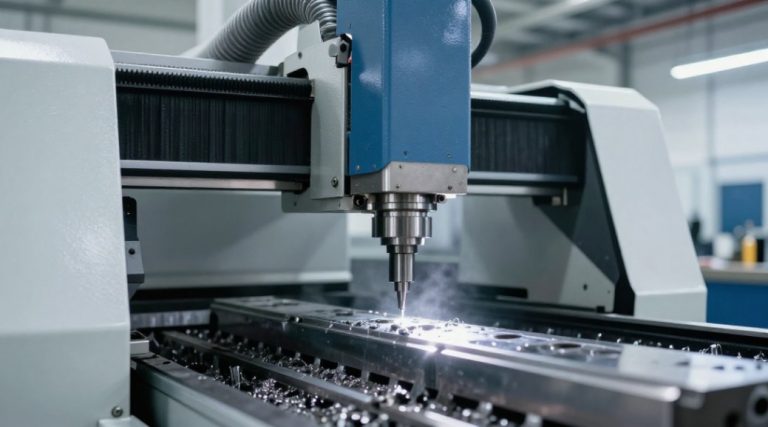
Yes. Mullite ceramics can be manufactured in two primary ways: they can be cast or pressed into near-net shapes before firing, or they can be fired and then machined using diamond grinding tools to achieve very tight tolerances and complex geometries.
5. How does mullite resist corrosion from molten aluminum?
Unlike some materials like silica or certain refractories, mullite has low wettability and high chemical stability against molten aluminum. It resists the chemical attack and penetration of aluminum, preventing the formation of corundum (Al₂O₃) build-up on the refractory surface, which can cause spalling.