High-Density Grinding Media Balls for Industrial Applications


PRODUCT PARAMETERS
Description
Overview of Factory High Temperature Ceramic Pipe and Mullite Ceramic Insulators Tube/Tubing
Mullite ceramic, named after the Isle of Mull in Scotland where it was first discovered, is a synthetic or naturally occurring compound of alumina (Al₂O₃) and silica (SiO₂), typically with a composition of 3Al₂O₃·2SiO₂. It is one of the most important engineering ceramics for high-temperature applications due to its exceptional stability and performance under extreme conditions.
Mullite is characterized by its acicular (needle-like) crystal structure, which contributes to its excellent mechanical strength and thermal properties. As a refractory material, it forms the backbone of many industrial processes, serving as a reliable solution where other materials would succumb to thermal shock, creep, or chemical corrosion. Our mullite industrial ceramics are engineered to provide superior purity and consistent density, ensuring long-lasting service life in the most demanding environments.
Features of Factory High Temperature Ceramic Pipe and Mullite Ceramic Insulators Tube/Tubing
Our mullite ceramic products are distinguished by a unique combination of physical and chemical properties:
- Excellent Thermal Shock Resistance: The low coefficient of thermal expansion (CTE) of mullite allows it to withstand rapid temperature changes without cracking, making it ideal for cycled heating processes.
- High-Temperature Stability: With a high melting point (approx. 1830°C / 3326°F) and low thermal conductivity, it maintains structural integrity and dimensional stability in continuous high-heat environments.
- Low Thermal Expansion: Ensures dimensional accuracy and reduces stress during thermal cycling.
- Good Chemical Inertness: Resistant to corrosion from molten metals, slags, and most chemicals, with the exception of hydrofluoric acid.
- High Creep Resistance: Maintains its shape and strength under long-term mechanical load at elevated temperatures.
- Excellent Dielectric Properties: Possesses high electrical resistivity and a low dielectric constant, making it useful for electrical insulation at high frequencies and temperatures.

Specifications of Factory High Temperature Ceramic Pipe and Mullite Ceramic Insulators Tube/Tubing
Manufacturing Facility High-Temperature Porcelain Pipe & Mullite Porcelain Insulator Tube
Material and Make-up
These ceramic tubes are made from high-purity mullite (3Al two O TWO · 2SiO ₂). The product uses excellent thermal security and solid resistance to chemical rust. Each tube is developed through accuracy pressing and sintered at temperature levels above 1600 ° C. This process makes sure dense microstructure and consistent performance.Temperature Resistance
Continuous consume to 1500 ° C in oxidizing ambiences. Temporary direct exposure can get to 1650 ° C without deformation or breaking. The reduced thermal development coefficient helps keep form and integrity under rapid home heating or cooling cycles.Electric Qualities
Mullite ceramic offers high electrical insulation even at elevated temperature levels. Volume resistivity surpasses 1 × 10 ¹² Ω · cm at 800 ° C. Dielectric stamina is usually above 10 kV/mm, making these tubes ideal for high-voltage insulating applications in furnaces, heating systems, and commercial sensors.Mechanical Strength
The flexural stamina ranges from 200 to 300 MPa, depending on wall surface thickness and dimensions. Hardness (Vickers) is around 8– 9 Grade point average, supplying great wear resistance in severe environments. Tubes maintain architectural rigidness under mechanical stress and anxiety and thermal shock.Dimensions and Tolerances
Available in basic external sizes from 5 mm to 150 mm, with wall surface thicknesses in between 1 mm and 10 mm. Custom-made sizes up to 1000 mm can be produced. Dimensional resistances fulfill ISO 9001 requirements: ± 0.1 mm for size and ± 0.5 mm for size.Applications
Commonly utilized as protective sheaths for thermocouples, support tubes in kilns, insulating sleeves in burner, and linings in high-temperature reactors. Appropriate for industries consisting of metallurgy, glass production, semiconductor handling, and lab equipment.
Applications of Factory High Temperature Ceramic Pipe and Mullite Ceramic Insulators Tube/Tubing
High-Temperature Ceramic Pipe and Mullite Insulator Tubes– Built for Tough Industrial Jobs
Where Extreme Warmth Fulfills Dependability
Manufacturing facility high-temperature ceramic pipes and mullite ceramic insulator tubes are made to deal with the hardest heat-heavy tasks. These components function well in position where normal metal or plastic would thaw, warp, or break down quick. You’ll find them inside industrial heaters, kilns, and heat-treatment systems. They carry warm gases or safeguard delicate elements from direct flame exposure. Because they resist thermal shock, they won’t crack when temperature levels turn up or down promptly.Why Mullite Sticks out
Mullite-based ceramic tubes supplies strong performance at high heat. It stays secure also above 1,500 ° C (2,732 ° F). This material has low thermal conductivity, so it holds warmth in where you require it– and maintains it away where you don’t. That helps save energy and enhances process control. These tubes also withstand chemical rust. They stand up versus liquified metals, slags, and aggressive environments discovered in glass, steel, and ceramic production. Their smooth surface minimizes buildup and makes cleaning less complicated throughout upkeep.Real-World Makes Use Of Throughout Industries
In metal spreading, ceramic pipes lead liquified steel securely. In semiconductor manufacturing, mullite insulators support burner without conducting electrical power. Waste incinerators use them to line exhaust paths because they tolerate ash and acidic gases. Nuclear power plant depend on these ceramics in central heating boiler systems. Labs make use of small-diameter versions for exact high-temp experiments. Every application gain from long service life, marginal downtime, and consistent efficiency under anxiety. Suppliers select these ceramic remedies not simply for survival in severe conditions– but also for steady, hassle-free operation day in day out.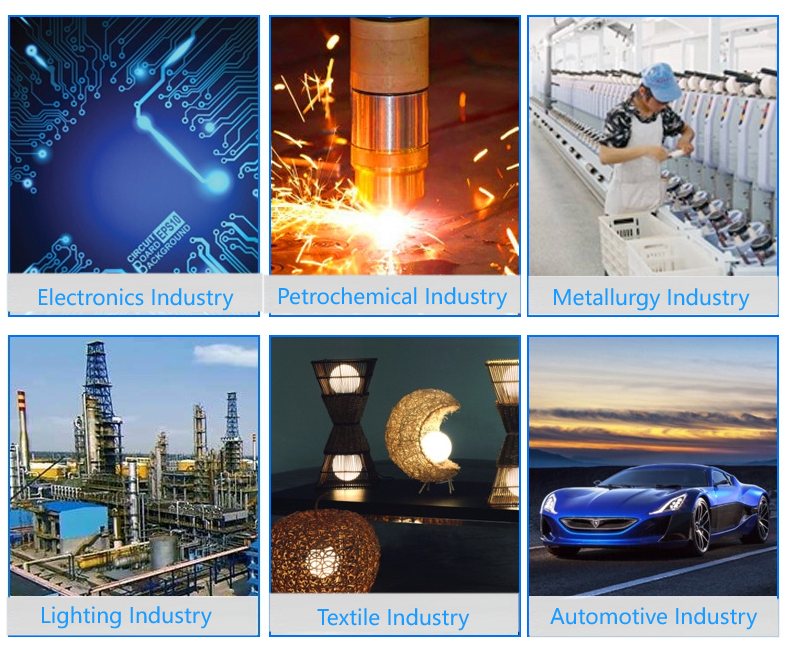
Company Introduction
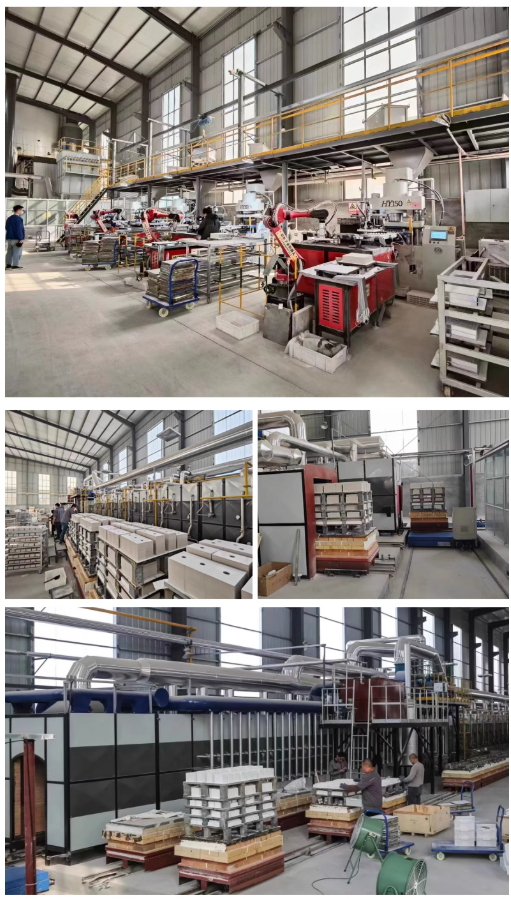
Welcome to Eduloc, a leading global supplier of high-quality ceramic grinding balls. Our product range includes Zirconia (ZrO₂), Alumina (Al₂O₃), and Silicon Carbide (SiC) grinding balls, designed for industries such as mining, chemicals, coatings, electronics, and pharmaceuticals. We are committed to providing durable and efficient grinding solutions tailored to our customers’ diverse needs. With advanced manufacturing technology and stringent quality control, our ceramic grinding balls excel in wear resistance, corrosion resistance, and thermal stability. Partner with us for reliable products and exceptional service that enhance your production efficiency and reliability.
If you have any questions, please feel free to contact us.
Payment Methods
T/T, Western Union, Paypal, Credit Card etc.
Shipment Methods
By air, by sea, by express, as customers request.

5 FAQs of Factory High Temperature Ceramic Pipe and Mullite Ceramic Insulators Tube/Tubing
Frequently Asked Questions
What is a high-temperature ceramic pipe made of?
Our high-temperature ceramic pipes are mainly made from mullite and other high-purity alumina-based materials. These raw materials give the pipe strong heat resistance and structural stability. The pipe can work safely in temperatures up to 1,600°C (2,912°F).Where are mullite ceramic insulator tubes used?
Mullite ceramic insulator tubes are widely used in industrial furnaces, kilns, heat treatment equipment, and laboratory settings. They serve as electrical insulators and thermal barriers. Their reliability makes them ideal for environments that demand consistent performance under extreme heat.Why choose ceramic over metal for high-heat applications?
Ceramic does not melt, warp, or corrode easily at high temperatures like most metals do. It also has low thermal conductivity, which helps reduce heat loss. Plus, ceramic is electrically non-conductive, making it safer for use around live components.Can these ceramic tubes handle thermal shock?
Yes. Our mullite-based ceramic tubes are designed to resist thermal shock. They can go through rapid heating and cooling cycles without cracking. This feature is critical for applications where temperature changes happen quickly and often.Are custom sizes available?
Yes. We offer standard sizes and can produce custom lengths, diameters, and wall thicknesses based on your needs. Just share your specifications, and we will match them with the right material grade and manufacturing process.REQUEST A QUOTE
RELATED PRODUCTS
Mullite Ceramic Tubes for Thermocouple Furnace Muffle Tubes Kiln Rollers SigTubes Refractory Material

Mullite Ceramic Ring Corundum Ceramic Parts High Temperature Resistant and High Insulation Refractory

Refractory Corundum Mullite Ceramic Plate

Heat Resistance Mullite Ceramic Insulator Parts Refractory Disk for Kiln Furniture
Custom High Temperature Refractory Mullite Ceramic Pipe and Tube
