High-Density Grinding Media Balls for Industrial Applications


PRODUCT PARAMETERS
Description
Overview of Clay LightweigMullite Ceramic Tubes Wear Resistant Ceramic Casting Pipe
Mullite ceramic, named after the Isle of Mull in Scotland where it was first discovered, is a synthetic or naturally occurring compound of alumina (Al₂O₃) and silica (SiO₂), typically with a composition of 3Al₂O₃·2SiO₂. It is one of the most important engineering ceramics for high-temperature applications due to its exceptional stability and performance under extreme conditions.
Mullite is characterized by its acicular (needle-like) crystal structure, which contributes to its excellent mechanical strength and thermal properties. As a refractory material, it forms the backbone of many industrial processes, serving as a reliable solution where other materials would succumb to thermal shock, creep, or chemical corrosion. Our mullite industrial ceramics are engineered to provide superior purity and consistent density, ensuring long-lasting service life in the most demanding environments.
Features of Clay LightweigMullite Ceramic Tubes Wear Resistant Ceramic Casting Pipe
Our mullite ceramic products are distinguished by a unique combination of physical and chemical properties:
- Excellent Thermal Shock Resistance: The low coefficient of thermal expansion (CTE) of mullite allows it to withstand rapid temperature changes without cracking, making it ideal for cycled heating processes.
- High-Temperature Stability: With a high melting point (approx. 1830°C / 3326°F) and low thermal conductivity, it maintains structural integrity and dimensional stability in continuous high-heat environments.
- Low Thermal Expansion: Ensures dimensional accuracy and reduces stress during thermal cycling.
- Good Chemical Inertness: Resistant to corrosion from molten metals, slags, and most chemicals, with the exception of hydrofluoric acid.
- High Creep Resistance: Maintains its shape and strength under long-term mechanical load at elevated temperatures.
- Excellent Dielectric Properties: Possesses high electrical resistivity and a low dielectric constant, making it useful for electrical insulation at high frequencies and temperatures.

Specifications of Clay LightweigMullite Ceramic Tubes Wear Resistant Ceramic Casting Pipe
Clay Lightweight Mullite Ceramic Tubes– Wear-Resistant Ceramic Casting Pipeline
Product & Structure
These ceramic tubes are made from high-purity mullite and light-weight clay. The mix gives them solid resistance to warm and wear. They include no damaging additives. The product remains steady also under extreme temperature levels.Trick Features
High wear resistance: The surface is really hard. It stands up to abrasion from sand, slag, and steel flow during casting. Lightweight style: These tubes evaluate much less than standard dense ceramics. This makes handling and installment much easier. Thermal stability: They work well in temperatures as much as 1600 ° C( 2912 ° F). No cracking or buckling happens under regular thermal cycling. Smooth internal surface: The birthed stays clean and smooth. Molten metal streams freely without sticking or buildup.Physical Specs
– Outer diameter: 20 mm to 150 mm (custom sizes offered). – Wall surface thickness: 5 mm to 20 mm. – Length: Requirement 300 mm to 1000 mm; longer pieces on demand. – Thickness: 1.8– 2.2 g/cm THREE. – Porosity: 15%– 25% (controlled for stamina and insulation). – Flexural strength: ≥ 35 MPa. – Thermal growth coefficient: Low, making certain dimensional stability.Applications
These tubes are utilized in continuous casting systems, foundries, and metal processing lines. They lead liquified light weight aluminum, copper, steel, and other alloys. Their wear-resistant surface area minimizes downtime and replacement prices. Shop operators select them for lengthy service life and consistent efficiency.Installation Notes
Take care of with treatment– ceramic is strong but brittle under influence. Usage correct supports to prevent stress and anxiety on television finishes. Line up joints smoothly to prevent disturbance in steel circulation. Store in a dry place before use.
Applications of Clay LightweigMullite Ceramic Tubes Wear Resistant Ceramic Casting Pipe
Applications of Clay Lightweight Mullite Ceramic Tubes
Wear-Resistant Ceramic Casting Pipelines for Demanding Settings
Clay lightweight mullite ceramic tubes are constructed to handle hard commercial tasks. These tubes incorporate lightweight with solid resistance to heat and wear. They work well in position where routine metal or standard porcelains would stop working swiftly. Foundries and steel spreading procedures utilize these tubes as wear-resistant ceramic casting pipelines. Molten steel moves through them during casting. The ceramic material stays stable at high temperatures. It likewise stands up to disintegration from fast-moving steel streams. This aids prolong service life and decrease downtime. In aluminum, copper, and steel plants, the tubes shield transfer systems from damages. Their smooth internal surface decreases friction. That indicates less buildup and much easier flow of liquified material. Maintenance expenses drop since substitutes are needed less typically. These ceramic pipelines likewise do in chemical and petrochemical settings. They withstand rust from aggressive compounds. Even under thermal cycling– duplicated cooling and heating– they keep their form and toughness. This integrity matters in constant assembly line. One more essential use remains in waste incineration and power generation. Hot, unpleasant flue gases go through ducts lined with these tubes. The lightweight design makes installment simpler. At the exact same time, the mullite framework obstructs heat loss and manages bit impact without fracturing. Suppliers select clay-based mullite ceramics since they stabilize performance and expense. The raw products are bountiful. The manufacturing process develops a thick yet light-weight item. It provides good insulation and mechanical toughness without hefty weight. Whether made use of for putting channels, thermocouple defense, or feed tubes, these ceramic parts deliver constant outcomes. They fit both set and continuous procedures. Their longevity in severe conditions makes them a wise choice for markets that require durable, low-maintenance components.
Company Introduction
Welcome to Eduloc, a leading global supplier of high-quality ceramic grinding balls. Our product range includes Zirconia (ZrO₂), Alumina (Al₂O₃), and Silicon Carbide (SiC) grinding balls, designed for industries such as mining, chemicals, coatings, electronics, and pharmaceuticals. We are committed to providing durable and efficient grinding solutions tailored to our customers’ diverse needs. With advanced manufacturing technology and stringent quality control, our ceramic grinding balls excel in wear resistance, corrosion resistance, and thermal stability. Partner with us for reliable products and exceptional service that enhance your production efficiency and reliability.
If you have any questions, please feel free to contact us.
Payment Methods
T/T, Western Union, Paypal, Credit Card etc.
Shipment Methods
By air, by sea, by express, as customers request.
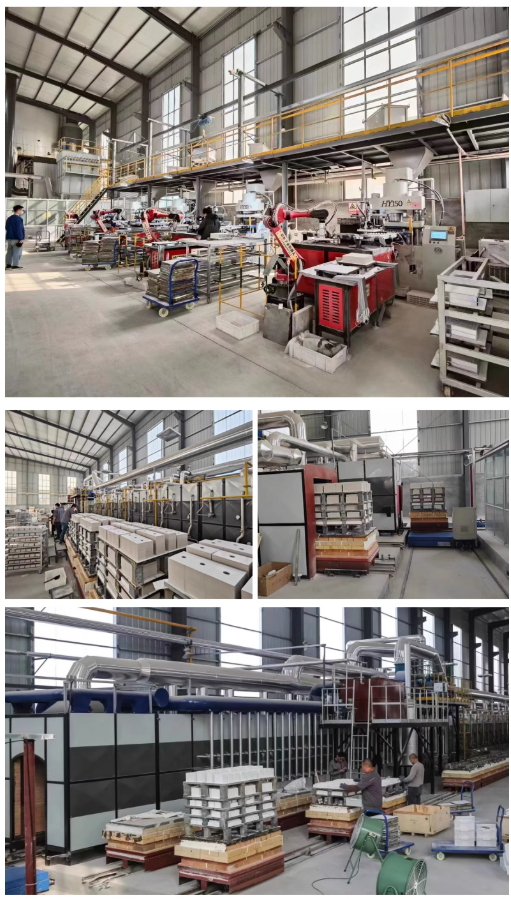

5 FAQs of Clay LightweigMullite Ceramic Tubes Wear Resistant Ceramic Casting Pipe
Frequently Asked Questions About Clay Lightweig Mullite Ceramic Tubes
What are these ceramic tubes made of?
These tubes are made from high-purity mullite and clay. The mix gives them strong heat resistance and good mechanical strength. They keep their shape and performance even under high temperatures.Where are they used?
They work well in casting systems, especially where metal flows through pipes. Foundries use them to line channels that carry molten aluminum, copper, or other non-ferrous metals. Their smooth surface helps metal flow without sticking.Why choose them over regular pipes?
Regular metal or refractory pipes wear out fast when hot metal passes through. These ceramic tubes resist wear much better. They last longer and reduce downtime for replacements. That saves time and money.Can they handle thermal shock?
Yes. The mullite structure makes them stable during sudden temperature changes. They won’t crack easily when hot metal meets a cooler surface. This is important in real-world casting operations.How do I install them?
They fit into standard casting setups. Most designs use simple flanges or holders. Make sure the joints are tight to avoid leaks. Follow your system’s guidelines for alignment and support. No special tools are needed—just basic foundry equipment.REQUEST A QUOTE
RELATED PRODUCTS

Industrial Furnace Polycrystalline Mullite Ceramic Fiber Board 1450°C 1600°C 1750°C Refractory Alumina Silicate Fiber Board

Wear Resistant Refractory Mullite Ceramics Tube Ceramic Pipe

High Temperature Resistance Refractory Porous Mullite Ceramics

Refractory Kiln Shelf Slab Cordierite Mullite Ceramic Plates support For Pottery Kiln Furniture
High Purity 99 Alumina Ceramic Square Crucible For Lab High Temperature Experiment Corundum Mullite Ceramic Heat Resistant
